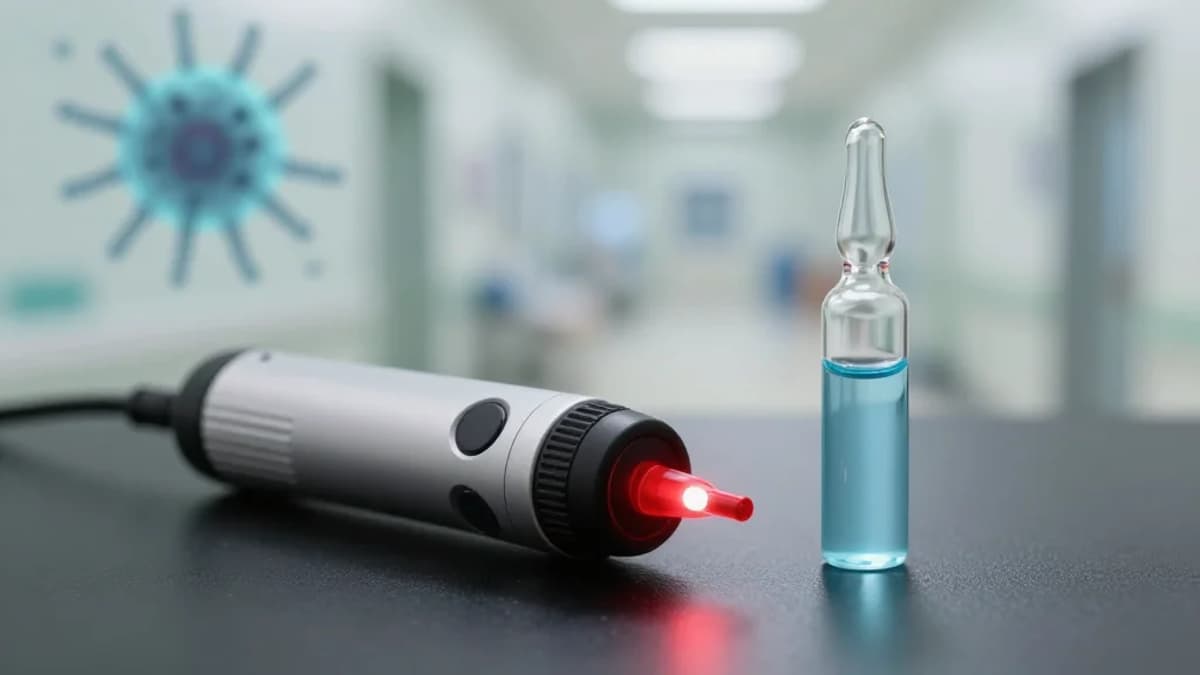
Combating Antibacterial Resistant Diseases with Lasers
•February 22, 2026
0
Why It Matters
This approach could restore the efficacy of existing antibiotics, curbing the projected rise in untreatable infections and reducing reliance on new drug development.
Key Takeaways
- •Light-activated therapy reduces antibiotic minimum inhibitory concentration
- •Photoreactive compounds enable targeted bacterial membrane disruption
- •Approach pairs lasers with antibiotics for synergistic killing
- •Lollipop delivers therapy for resistant throat infections; aerosol for pneumonia
- •Bagnato founded 40+ firms; member of top scientific academies
Pulse Analysis
The global surge in antimicrobial resistance has turned once‑curable infections into a looming public‑health crisis, with the World Health Organization warning of millions of deaths annually if new solutions are not found. Traditional drug pipelines struggle to keep pace with bacterial evolution, prompting researchers to explore non‑chemical modalities. At the forefront, Dr. Vanderlei Bagnato of Texas A&M University leverages the precision of laser light to create a drug‑free strike against pathogens. By using specific wavelengths to activate inert compounds inside the body, his platform sidesteps the biochemical arms race that fuels resistance.
Bagnato’s technique relies on a photoreactive agent that remains harmless until illuminated by infrared light capable of deep tissue penetration. Once activated, the compound generates reactive species that perforate bacterial membranes, disable efflux pumps, and neutralize protective enzymes. The disruption restores bacterial susceptibility, allowing standard antibiotics to act at their usual minimum inhibitory concentration. Clinical prototypes already demonstrate practicality: a flavored lollipop delivers the agent to the oropharynx for resistant throat infections, while an aerosolized formulation targets the lungs in cases of multidrug‑resistant pneumonia. The dual‑step protocol merges physical and pharmacological attacks without invasive surgery.
If validated in larger trials, this light‑mediated approach could reshape the antibiotic market by extending the lifespan of existing drugs and reducing the costly need for novel compounds. Hospitals may adopt portable laser devices alongside conventional treatment regimens, offering a scalable, low‑toxicity option for hard‑to‑treat infections. Bagnato’s extensive entrepreneurial track record—over 40 startups and memberships in the National Academies and the Vatican’s Pontifical Academy—adds credibility and accelerates commercialization pathways. As policymakers grapple with resistance forecasts, laser‑activated therapy presents a timely, science‑driven answer that aligns with both patient safety and economic sustainability.
Combating antibacterial resistant diseases with lasers
0
Comments
Want to join the conversation?
Loading comments...