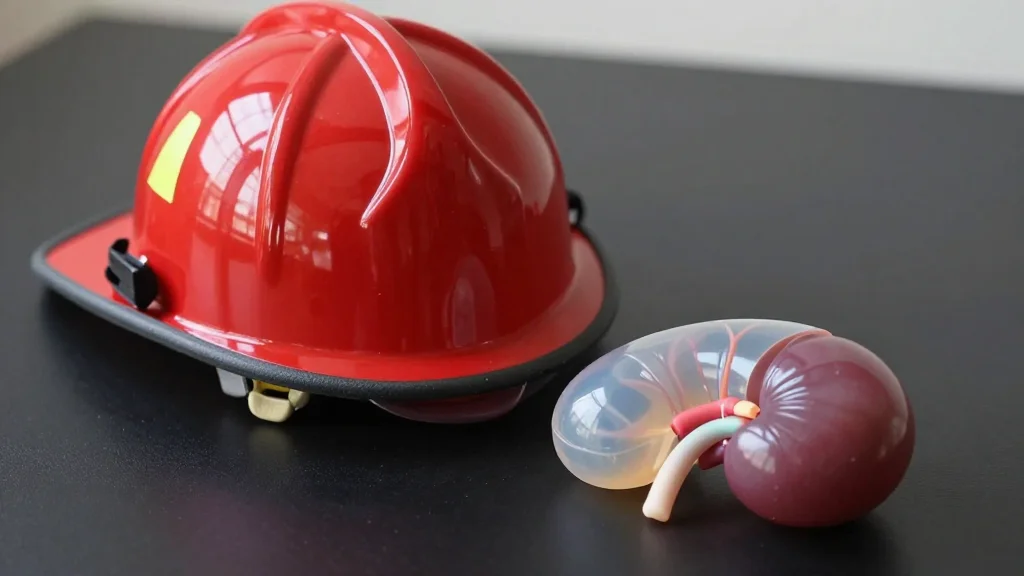
Conn. Firefighter with End-Stage Kidney Failure Finds Donor Match
Why It Matters
Securing a donor offers Matto a chance to return to work and avoid costly long‑term dialysis, underscoring the critical role of community support in healthcare crises for first responders. It also spotlights the broader organ‑donation shortage affecting many families nationwide.
Key Takeaways
- •Volunteer firefighter matched with kidney donor after end‑stage diagnosis
- •Car‑wash fundraiser scheduled June 6 to help cover transplant costs
- •Dialysis could have cost thousands monthly without donor match
- •Matto’s case illustrates organ shortage impact on essential workers
Pulse Analysis
The kidney‑donor match for Derby firefighter Chris Matto brings a personal story to the national conversation about organ scarcity. While the United States faces a waiting list of over 90,000 patients for kidneys, local heroes like Matto often rely on community-driven initiatives to bridge the gap between medical need and financial reality. By publicizing his match, the Shelton Fire Department not only rallies support for his family but also raises awareness of the systemic pressures that force volunteers to seek charitable aid for life‑saving procedures.
Transplant surgery, though potentially curative, carries a hefty price tag—averaging $400,000 in the United States, with post‑operative care and immunosuppressive therapy adding ongoing expenses. For a volunteer firefighter without employer‑provided health benefits, the financial burden can be overwhelming. The upcoming car‑wash fundraiser exemplifies how grassroots events can mitigate immediate costs, yet it also highlights the gaps in employer-sponsored health coverage for part‑time or volunteer public‑service workers. Policymakers and municipal leaders may need to reassess benefit structures to ensure that those who protect communities are not left vulnerable to medical debt.
Matto’s situation underscores a broader trend: essential workers facing chronic health challenges often depend on community solidarity to navigate the transplant pipeline. As the healthcare industry grapples with rising dialysis costs—estimated at $90,000 per patient annually—the economic incentive to expand donor pools becomes clear. Strengthening organ‑donation awareness campaigns, incentivizing registration, and integrating donor matching services into local emergency‑services networks could reduce reliance on ad‑hoc fundraising, ensuring that more first responders receive timely, affordable care.
Conn. firefighter with end-stage kidney failure finds donor match
Comments
Want to join the conversation?
Loading comments...