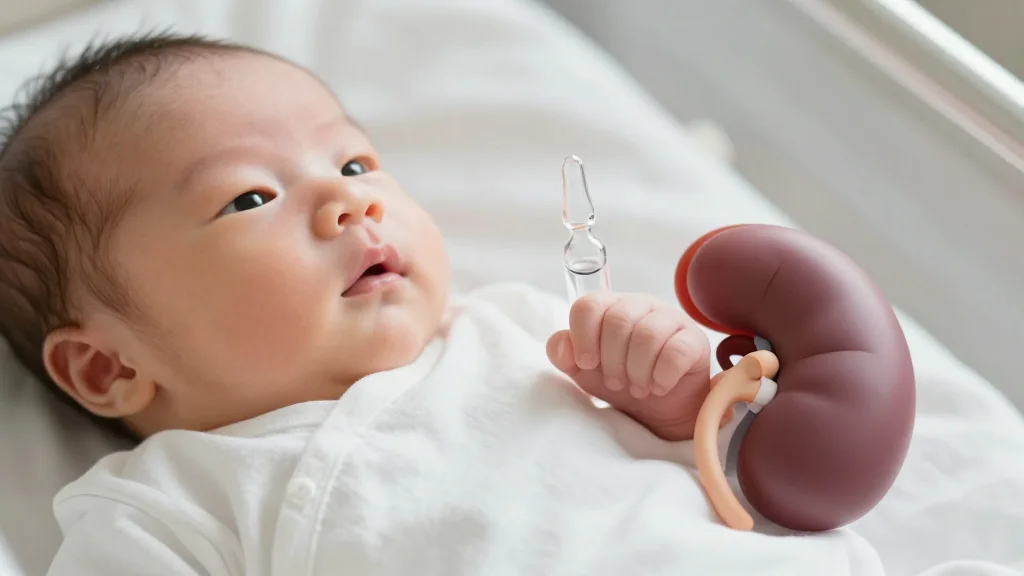
Contrast Use Significantly Increases Risk of Kidney Injury in Neonates
Why It Matters
The findings highlight a measurable renal risk for neonates undergoing contrast‑enhanced imaging, prompting clinicians to weigh diagnostic benefits against potential kidney injury.
Key Takeaways
- •ICM exposure linked to 13.9% AKI vs 8.2% without contrast
- •Most AKI cases were stage 1, not severe
- •Study spans 23 years of neonatal ICU imaging
- •Findings support risk‑based contrast decision protocols
- •Data derived from retrospective analysis of 2000‑2023 cases
Pulse Analysis
Contrast‑enhanced imaging remains a cornerstone for diagnosing complex conditions in newborns, offering detailed anatomical views that plain radiography cannot provide. However, the neonatal kidney is uniquely vulnerable due to immature glomerular filtration and limited tubular reserve. When iodinated contrast media enters the bloodstream, it can precipitate tubular obstruction and oxidative stress, mechanisms that are amplified in this fragile population. Understanding these physiological nuances is essential for clinicians who must balance the urgency of accurate diagnosis with the potential for iatrogenic harm.
The University of Ulsan researchers examined over two decades of intensive‑care records, comparing infants who received contrast‑enhanced CT, non‑contrast CT, or MRI. Their definition of acute kidney injury—either a 0.3 mg/dL rise in serum creatinine within 48 hours or a 50 % increase within a week—captures both early and delayed renal insults. The study revealed a statistically significant rise in AKI among contrast‑exposed neonates (13.9 % vs 8.2 %). Notably, the majority of these cases were stage 1, indicating mild, often reversible injury, while severe stage 2 and 3 events showed no difference between groups. This granular staging underscores that while contrast raises the likelihood of kidney stress, it does not necessarily translate into severe renal failure.
Clinically, the data empower neonatologists and radiologists to adopt a risk‑stratified approach. For infants with pre‑existing renal compromise, alternative imaging modalities such as ultrasound or low‑dose MRI may be preferable. When contrast is indispensable, protocols can incorporate hydration strategies, minimized contrast volume, and close post‑procedure creatinine monitoring. The study also sets a benchmark for future prospective trials aimed at refining contrast dosing guidelines and exploring nephroprotective agents in the neonatal cohort, ultimately enhancing patient safety while preserving diagnostic accuracy.
Contrast use significantly increases risk of kidney injury in neonates
Comments
Want to join the conversation?
Loading comments...