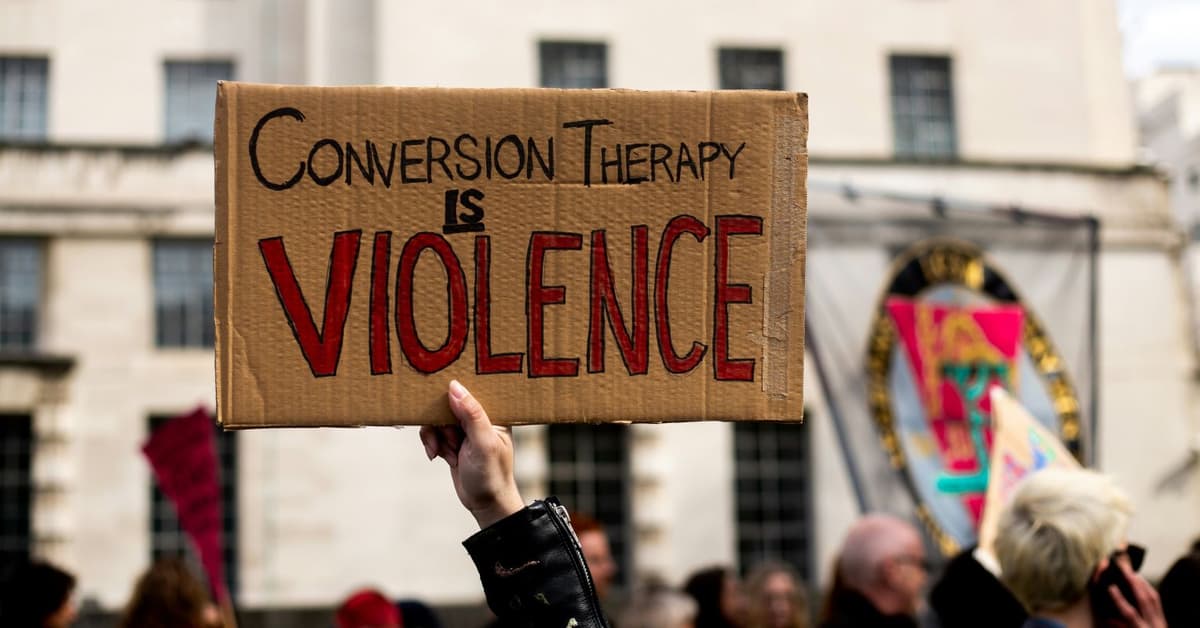
Conversion Therapy Is Still Happening. Now, It's Protected.
Companies Mentioned

American Psychiatric Association
Why It Matters
The ruling threatens the legal framework protecting LGBTQ youth from discredited practices, potentially expanding exposure to harmful conversion efforts nationwide. It also challenges the authority of state licensing boards to enforce evidence‑based mental‑health standards.
Key Takeaways
- •Supreme Court ruled 8‑1 Colorado ban likely violates First Amendment
- •Decision threatens conversion‑therapy bans in more than 20 states
- •Medical and mental‑health organizations label conversion therapy harmful and discredited
- •Self‑directed conversion practices show harm can occur without therapists
- •Studies find LGBTQ youth exposed to conversion therapy face double suicide risk
Pulse Analysis
The March 31, 2026 Supreme Court opinion in Chiles v. Salazar marks a pivotal shift in the legal landscape surrounding conversion therapy. By framing the Colorado ban as a potential violation of therapists’ free‑speech rights, the Court opened the door for challenges to similar statutes across at least two dozen states. While the decision does not overturn existing bans outright, it creates a legal vulnerability that could embolden opponents and force courts to reevaluate the balance between state consumer‑protection powers and constitutional free‑speech claims.
Health professionals have responded with unified condemnation. The American Psychological Association, the American Psychiatric Association, and a coalition of twelve additional medical bodies filed an amicus brief underscoring the robust scientific consensus that conversion therapy is both ineffective and linked to severe mental‑health outcomes. Their statements emphasize that the practice violates core ethical standards and that the Court’s ruling threatens the ability of licensing boards to enforce evidence‑based care. Empirical studies, including research from The Trevor Project, show LGBTQ youth subjected to these interventions are more than twice as likely to attempt suicide, reinforcing the urgent need for protective legislation.
Beyond the courtroom, the ruling reverberates through communities and families. By allowing religious or self‑directed conversion efforts to persist unchecked, the decision risks normalizing a practice that already inflicts deep psychological scars. Advocates argue that affirming education and supportive environments are essential counterweights, yet many states lack such safeguards. The long‑term impact will hinge on whether legislative bodies act swiftly to codify protections or whether future litigation erodes them, shaping the health and safety of LGBTQ individuals for years to come.
Conversion Therapy Is Still Happening. Now, It's Protected.
Comments
Want to join the conversation?
Loading comments...