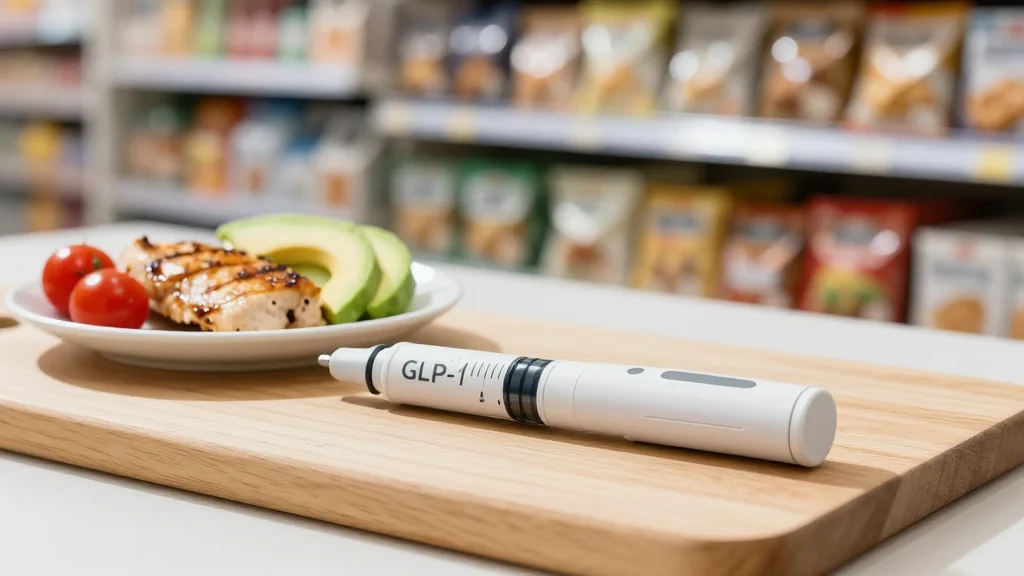
Could the 'Ozempic Era' Shift Blame for Obesity From Individuals to the Food Industry?
Why It Matters
If GLP‑1 drugs demonstrably curb demand for ultra‑processed foods, they could give policymakers the leverage needed to regulate the food industry, addressing obesity’s root causes rather than blaming consumers.
Key Takeaways
- •GLP‑1 drugs cut cravings for ultra‑processed foods, altering demand
- •Food retailers launch “GLP‑1‑friendly” smaller‑portion, high‑protein products
- •Researchers link obesity to addiction model, echoing tobacco control strategies
- •Policy advocates cite drug success to push stricter food‑system regulations
Pulse Analysis
The rapid adoption of GLP‑1 agonists, most notably semaglutide‑based Ozempic, has reshaped clinical obesity treatment by delivering double‑digit weight loss and, crucially, dampening appetite for hyper‑palatable, ultra‑processed foods. This pharmacological breakthrough mirrors the early days of nicotine replacement therapy, where a medical solution sparked broader conversations about the environments that fuel unhealthy habits. By framing excess weight as a response to engineered food cues rather than personal weakness, the "Ozempic Era" invites a reevaluation of the disease model, aligning it with addiction science and opening doors for interdisciplinary research.
Industry players are already feeling the pressure. Major grocery chains and food manufacturers have begun rolling out "GLP‑1‑friendly" product lines—smaller portion packs enriched with protein and fiber—to capture a market segment whose cravings are being muted by medication. Early sales data suggest a modest dip in demand for traditional snack formats, prompting some companies to reformulate recipes and reconsider marketing tactics that exploit dopamine‑triggering ingredients. This consumer‑driven shift could accelerate a feedback loop where reduced demand incentivizes healthier product development, echoing the way reduced cigarette consumption spurred the rise of low‑tar alternatives before comprehensive bans.
For regulators, the convergence of drug efficacy and changing consumer behavior offers a rare policy lever. Public‑health advocates can point to measurable reductions in ultra‑processed food intake as evidence that stricter labeling, portion caps, or taxes on addictive food additives are both feasible and effective. However, the potential for over‑medicalisation remains; reliance on prescription weight‑loss drugs may sideline broader socioeconomic interventions. Balancing pharmaceutical innovation with robust food‑system reforms will be essential to ensure that the "Ozempic Era" translates into lasting, population‑wide health gains rather than a temporary pharmacological fix.
Could the 'Ozempic Era' shift blame for obesity from individuals to the food industry?
Comments
Want to join the conversation?
Loading comments...