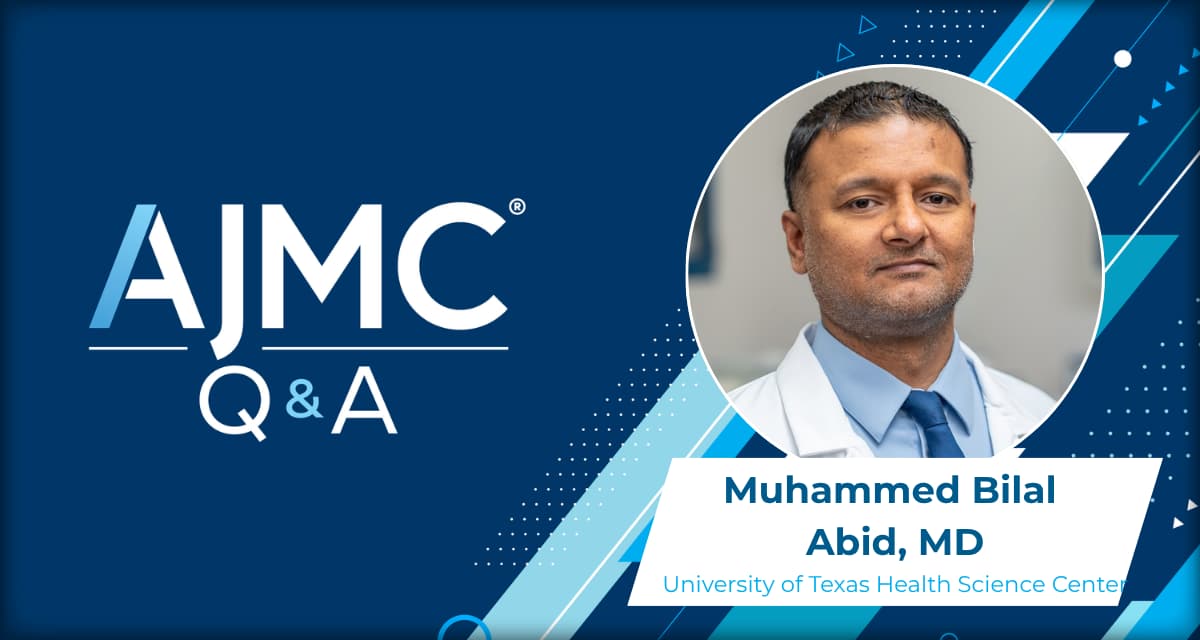
COVID-19 Prevention Gaps in Immunocompromised Patients: Muhammed Bilal Abid, MD
Why It Matters
The discussion underscores a critical vulnerability in oncology care where standard vaccines fall short, making novel prophylaxis essential for patient survival and healthcare cost containment.
Key Takeaways
- •CANOPY trial showed zero symptomatic COVID-19 in CLL subset over six months
- •Pemivibart received EUA for pre‑exposure COVID‑19 prophylaxis in immunocompromised
- •Barriers include limited clinician education and uncertain payer coverage
- •NCCN infection‑prevention guidelines lag behind rapid oncology drug approvals
- •Future care likely combines monoclonal antibodies, vaccines, and antivirals
Pulse Analysis
Immunocompromised patients with hematologic malignancies, particularly chronic lymphocytic leukemia, face a double‑edged risk: the disease itself depletes B‑cells and modern therapies such as BTK inhibitors further blunt immune responses. Conventional COVID‑19 vaccines often fail to generate protective titers in this group, leaving clinicians to seek alternative defenses. The emergence of pre‑exposure monoclonal antibodies, exemplified by pemivibart, offers a targeted shield that bypasses the need for endogenous antibody production, filling a vital gap in the infection‑prevention arsenal.
The CANOPY phase‑3 trial, though limited in size, delivered a striking outcome—no symptomatic COVID‑19 cases among CLL participants over a six‑month period when treated with pemivibart. This efficacy propelled the product to emergency use authorization for immunocompromised populations. Yet, translating trial success into routine oncology practice encounters practical hurdles. Many providers remain unaware of the therapy, and insurers often hesitate to cover a novel biologic without robust disease‑specific data. These logistical and financial frictions delay patient access, underscoring the need for focused education campaigns and clearer reimbursement pathways.
Looking ahead, experts like Dr. Abid envision a layered prophylactic model that blends monoclonal antibodies, updated vaccine formulations, and oral antivirals. Such a combination mirrors oncology’s precision‑medicine paradigm, tailoring protection to individual risk profiles. However, current NCCN guidelines lag behind these innovations, offering limited direction on integrating new infectious‑disease tools. Accelerating guideline updates and fostering multidisciplinary protocols will be essential for scaling these strategies, creating market opportunities for biotech firms while safeguarding a vulnerable patient cohort.
COVID-19 Prevention Gaps in Immunocompromised Patients: Muhammed Bilal Abid, MD
Comments
Want to join the conversation?
Loading comments...