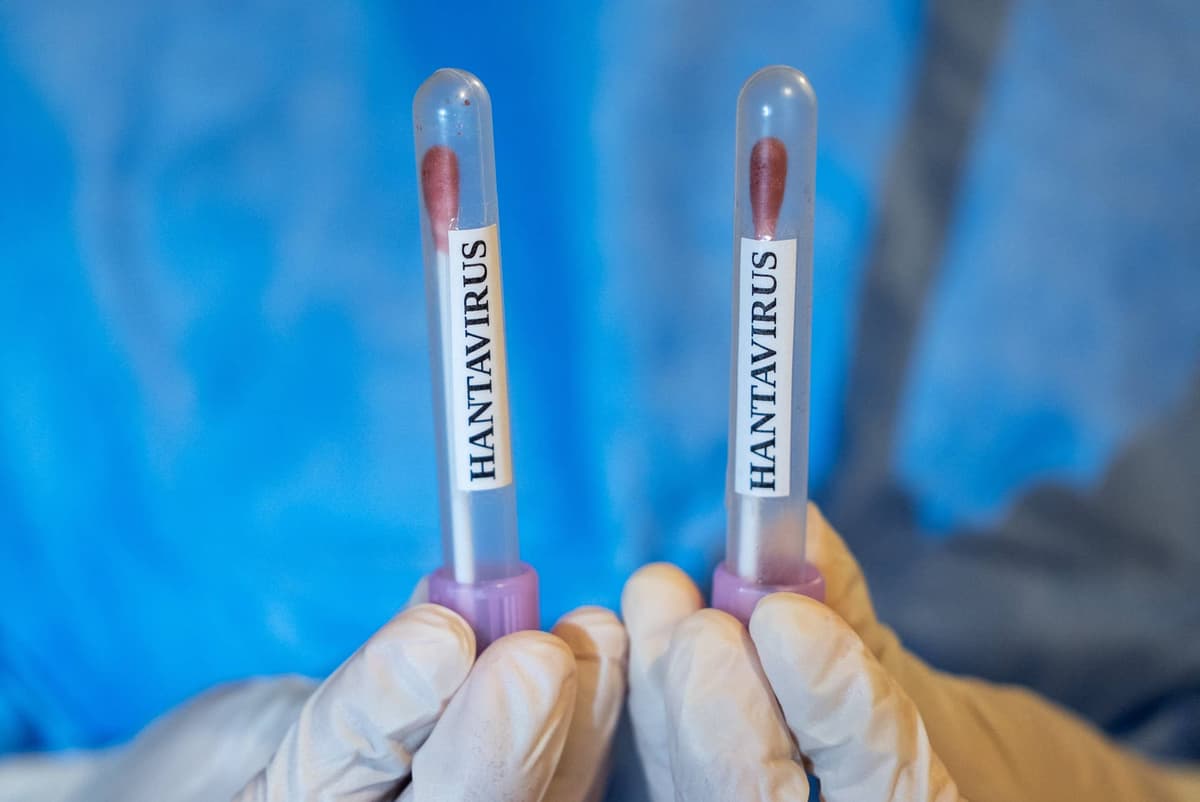
COVID Response Coordinator Shares Why the Hantavirus Won’t Turn Into Another Pandemic
Why It Matters
The statement reassures the public that the health risk remains limited, preventing unnecessary panic and economic disruption. It also underscores the need for targeted containment protocols in travel settings, a lesson reinforced by the COVID‑19 response.
Key Takeaways
- •Hantavirus spreads only via prolonged exposure, not casual contact
- •Andes strain on MV Hondius is rare, with limited human transmission
- •CDC reports fewer than 900 US cases since 1993, highlighting rarity
- •Dr. Ashish Jha assures public risk is low, unlike COVID-19
- •Cruise ship isolation measures aim to contain outbreak quickly
Pulse Analysis
The hantavirus family has long been classified as a zoonotic threat rather than a respiratory pandemic driver. Unlike SARS‑CoV‑2, which could spread before symptoms appeared, hantavirus requires direct contact with infected rodent excreta or prolonged exposure to an infected person’s bodily fluids. The Andes variant, identified on the Dutch‑flagged cruise ship MV Hondius, is especially uncommon; it has historically produced only isolated clusters in South America. This biological constraint dramatically reduces the virus’s basic reproduction number, making a rapid, global cascade far less plausible than the COVID‑19 experience.
The MV Hondius, anchored off Cape Verde, reported three fatalities after a suspected hantavirus case emerged among crew members. Health authorities swiftly imposed quarantine zones, isolated symptomatic individuals, and deployed WHO rapid‑response teams to conduct testing and environmental decontamination. The Centers for Disease Control and Prevention notes fewer than 900 hantavirus infections in the United States since the disease was first recognized in 1993, underscoring its rarity. By containing the ship’s outbreak within a controlled environment, officials aim to prevent the limited person‑to‑person transmission that the Andes strain can achieve only after extended exposure.
Former White House COVID‑19 coordinator Dr. Ashish Jha’s reassurance reflects a broader shift in risk communication: emphasizing pathogen‑specific transmission dynamics rather than blanket fear. For the travel sector, the incident highlights the importance of robust onboard medical protocols and rapid isolation capabilities, lessons learned from the COVID‑19 pandemic. Public health agencies are also reminded to maintain vigilant surveillance for low‑frequency diseases, even as attention pivots to endemic threats. While the hantavirus episode is unlikely to spark a new pandemic, it serves as a case study in applying targeted containment strategies to protect both passengers and the wider community.
COVID Response Coordinator Shares Why the Hantavirus Won’t Turn into Another Pandemic
Comments
Want to join the conversation?
Loading comments...