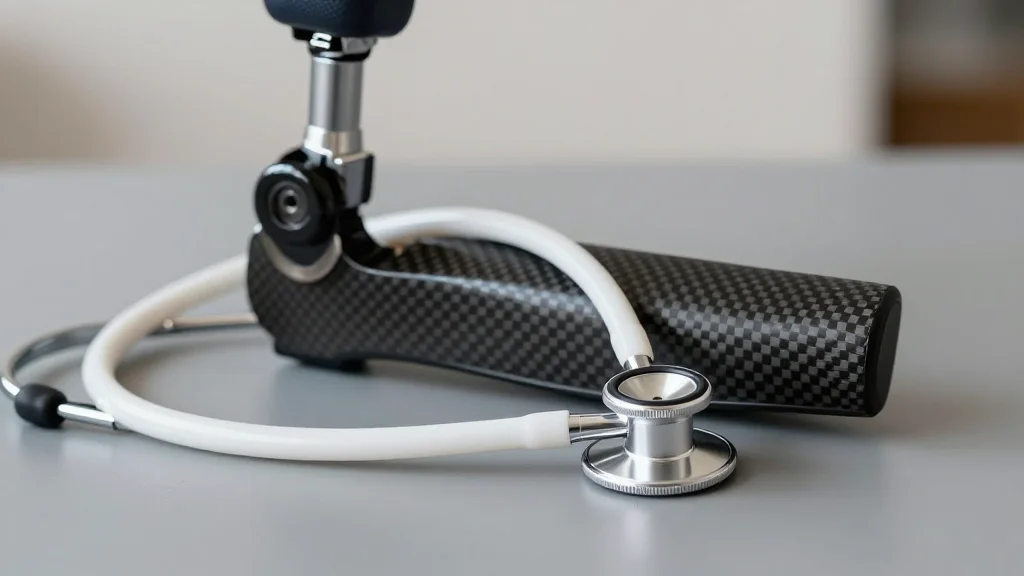
Creating a Basic Standard for Medical Coverage at Para-Sport Events
Why It Matters
Uniform medical standards protect para‑athletes and reduce legal exposure for event organizers, fostering safer, more professional competitions worldwide.
Key Takeaways
- •IPC medical code mandates equitable healthcare for para-athletes
- •Paralympic Games follow detailed medical guides like Paris 2024
- •Many non‑Paralympic para events lack comparable medical standards
- •Absence of baseline creates legal and safety uncertainties
- •Stakeholders urged to adopt uniform medical protocols worldwide
Pulse Analysis
The push for a basic medical standard in para‑sport reflects a broader shift toward inclusive health governance in athletics. Historically, sport medicine has focused on able‑bodied competitors, leaving para‑athletes dependent on ad‑hoc arrangements. By aligning para‑sport with the International Paralympic Committee’s medical code—mirroring the rigorous protocols of the Olympic Games—organizers can ensure consistent preventive care, injury treatment, and rehabilitation, regardless of event size. This alignment not only safeguards athletes but also enhances the credibility of para‑sport as a professional domain.
Despite the robust frameworks guiding the Paralympic Games, a significant gap persists at regional and grassroots levels. Many para‑sport events lack the systematic risk assessments, trained medical personnel, and electronic health‑record systems that are now standard in elite competitions. The absence of clear duty‑of‑care definitions exposes clinicians to medicolegal risk and athletes to preventable harm. Moreover, inconsistent import‑export medication policies and inadequate emergency response plans can jeopardize athlete safety, especially for those with complex health needs.
Addressing these deficiencies requires coordinated action from governing bodies, national sport federations, and health agencies. Implementing a universally accepted minimum standard—covering staff qualifications, equipment readiness, and emergency protocols—will create a level playing field and reduce liability concerns. Such standards can be adapted to local resources while maintaining core safety principles, encouraging wider adoption. As para‑sport continues to grow in popularity and commercial value, establishing these baseline medical provisions will be essential for sustainable development and athlete welfare.
Creating a basic standard for medical coverage at para-sport events
Comments
Want to join the conversation?
Loading comments...