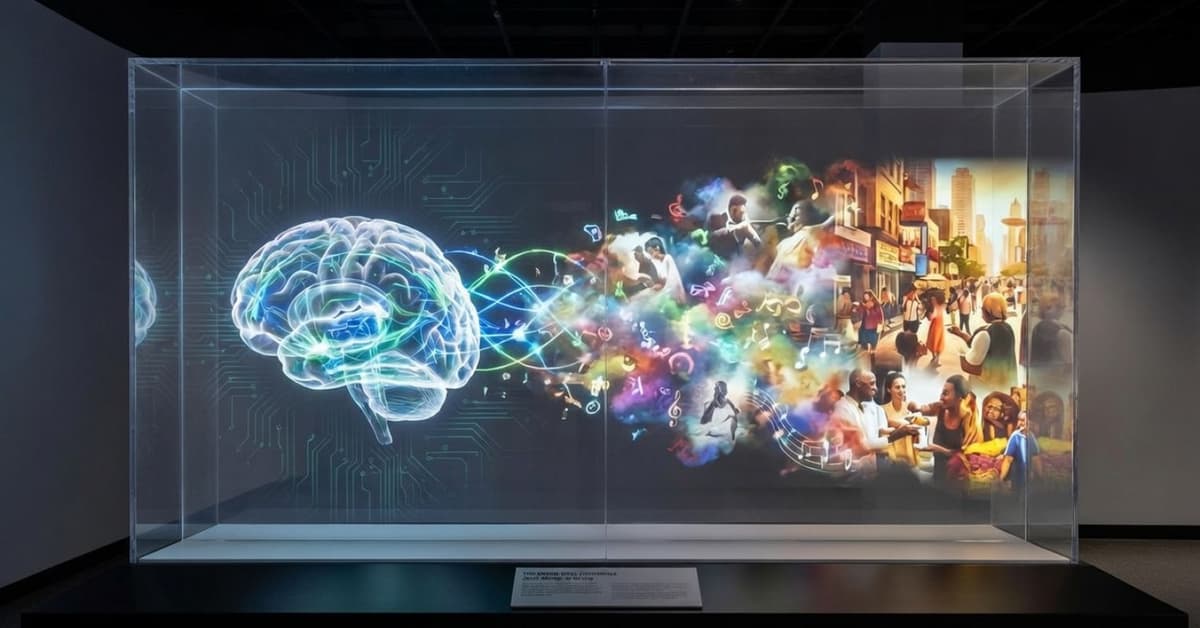
Denial of Brain: How Therapy Can Struggle With Neuroscience
•March 8, 2026
0
Why It Matters
Bridging neuroscience with psychotherapy could expand therapeutic tools and improve outcomes for treatment‑resistant patients, reshaping mental‑health practice.
Key Takeaways
- •Therapists often avoid or misuse brain science
- •Neuro-modulation tools like TMS show rapid symptom relief
- •Mapping mind‑brain states may blur therapy vs neurology lines
- •Evidence base for neuroscience‑informed psychotherapy remains limited
- •Integrating neuroscience requires open‑minded research and training
Pulse Analysis
The growing tension between traditional psychotherapy and neuroscience reflects a deeper cultural split in mental‑health care. While some clinicians cling to psychoanalytic purity, others flaunt brain jargon as a marketing veneer. This dichotomy leaves patients caught between reductionist explanations and outright denial of the brain’s role. Recent scholarly work in neuro‑psychiatry, championed by pioneers like Mark Solms, urges a middle path: acknowledging that mental phenomena emerge from neural circuits without reducing experience to mere chemistry.
Technological breakthroughs are accelerating that middle path. Portable transcranial magnetic stimulation (TMS), transcranial direct current stimulation (tDCS), and focused ultrasound now allow clinicians to modulate specific networks in real time, while functional near‑infrared spectroscopy (fNIRS) and high‑density EEG provide live feedback during therapy sessions. AI‑driven modeling further links subjective states to objective brain signatures, promising a future where treatment plans are tailored to an individual’s neural profile. Early case reports, including the author’s own accelerated TMS protocols, show dramatic symptom shifts within days, suggesting that neuromodulation can act as a rapid “network surgery” complement to talk therapy.
The practical implication is clear: mental‑health providers must cultivate competence in both domains. Training programs should embed neuroscience fundamentals alongside psychodynamic techniques, and research funding must prioritize studies that test how brain‑based interventions can enhance, rather than replace, therapeutic insight. By embracing a dual‑competence model, clinicians can offer patients a richer toolbox, reduce treatment resistance, and move the field toward evidence‑driven, personalized care. This integration promises not only better outcomes but also a redefinition of what constitutes effective psychotherapy in the 21st century.
Denial of Brain: How Therapy Can Struggle With Neuroscience
0
Comments
Want to join the conversation?
Loading comments...