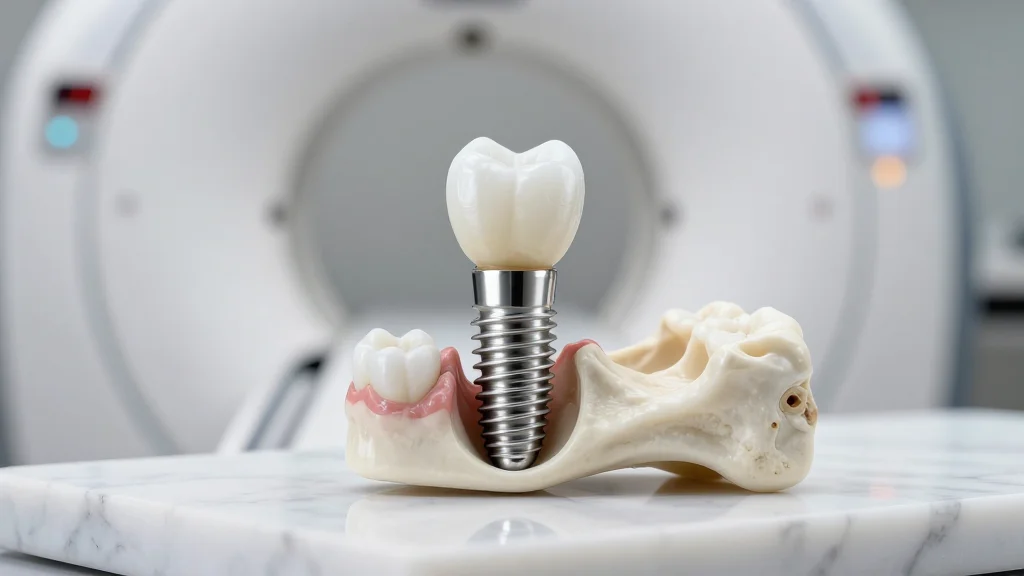
Dental Implants in 2026: What Patients and Providers Need to Know
Why It Matters
Implant adoption is redefining restorative dentistry economics and clinical protocols, compelling providers to invest in digital tools and patient‑centred financing to stay competitive.
Key Takeaways
- •Implants now first‑line for single‑tooth replacement
- •Digital planning boosts accuracy, reduces surgical time
- •Surface tech cuts osseointegration to 6‑8 weeks
- •Patient health factors remain critical success determinants
- •Lifetime cost favors implants over bridges
Pulse Analysis
The rapid elevation of dental implants to a first‑line solution reflects a broader industry pivot toward value‑based care. Clinicians cite robust long‑term data showing implants preserve alveolar bone better than bridges, which require sacrificing adjacent healthy teeth. This clinical superiority, combined with patient demand for durable, aesthetic outcomes, has accelerated market penetration, prompting dental schools and continuing‑education programs to prioritize implant curricula.
Digital transformation is the engine behind the implant boom. Cone‑beam computed tomography paired with sophisticated planning software creates a three‑dimensional surgical roadmap, while 3D‑printed guides translate that plan into millimetric precision during the operation. Early studies consistently demonstrate that guided placement reduces angular deviation by more than 30 percent, translating into fewer prosthetic adjustments and faster healing. Emerging artificial‑intelligence platforms now analyze thousands of cases to suggest optimal implant positioning and predict bone response, foreshadowing a future where machine‑learning augments clinician expertise.
From a financial perspective, implants are increasingly cost‑effective over a patient’s lifetime. Although the upfront price exceeds that of a bridge, the latter’s average lifespan of 10‑15 years often incurs additional restorative work on abutment teeth, eroding its initial savings. Implants, with a typical functional life of 25 years or more, lower total ownership costs, especially when combined with flexible financing options such as in‑house payment plans and healthcare credit products. Meanwhile, innovations like zirconia implants and biologic adjuncts such as platelet‑rich fibrin promise to expand the candidate pool, ensuring that the implant market will continue to grow as both technology and reimbursement models evolve.
Dental Implants in 2026: What Patients and Providers Need to Know
Comments
Want to join the conversation?
Loading comments...