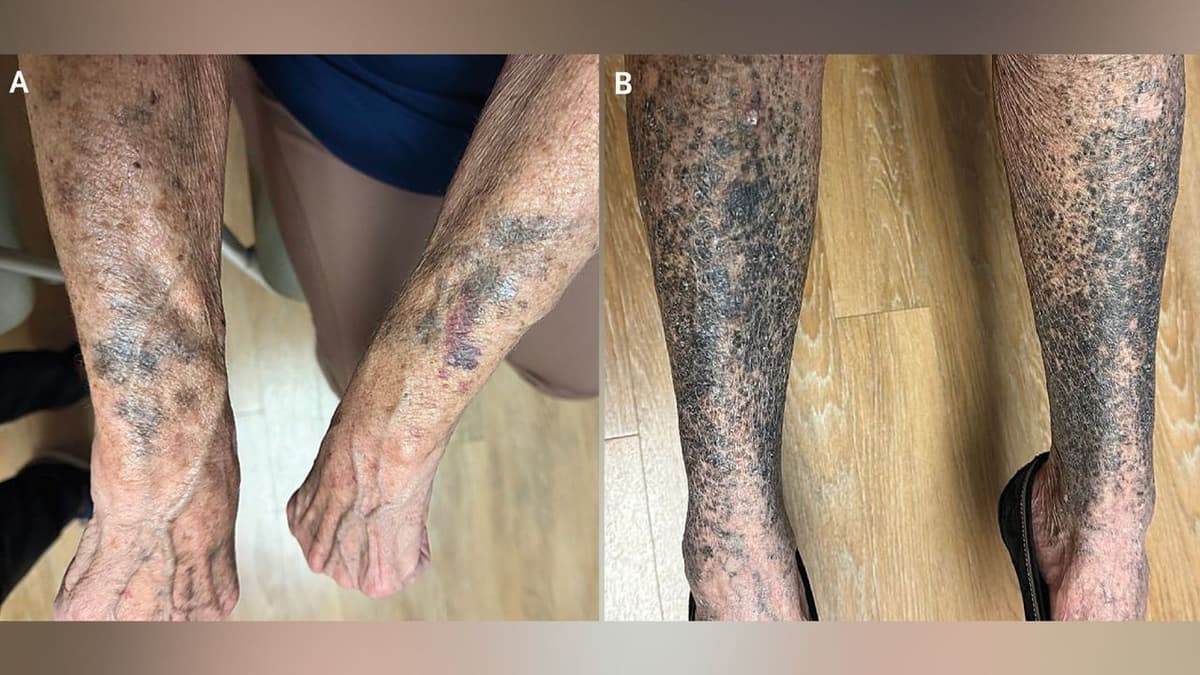
Diagnostic Dilemma: A Woman Turned Black and Blue Weeks After Starting a New Medication
Why It Matters
The report underscores a potentially swift dermatologic adverse reaction to a widely prescribed rosacea drug, prompting clinicians to monitor skin changes early and reassess treatment risk‑benefit.
Key Takeaways
- •Minocycline can cause three hyperpigmentation types, type II appears on limbs
- •Type II hyperpigmentation may develop within weeks, earlier than typical
- •Incidence estimates ~28% for rosacea patients, true rate uncertain
- •Discontinuing minocycline and sun avoidance can partially reverse discoloration
Pulse Analysis
Minocycline remains a first‑line oral therapy for rosacea because of its antibacterial and anti‑inflammatory properties, yet dermatologists must stay vigilant for pigmentary side effects. While type I hyperpigmentation—blue‑black spots on scarred facial skin—can emerge early, type II and III are traditionally linked to prolonged exposure and cumulative dosing. This case challenges that paradigm, showing that type II discoloration can surface within weeks, suggesting individual metabolic factors or higher tissue affinity may accelerate pigment deposition.
Understanding the pathophysiology of minocycline‑induced hyperpigmentation is crucial for risk management. The drug’s metabolites chelate iron and bind melanin, forming insoluble complexes that macrophages store in the dermis. Concurrently, minocycline may up‑regulate melanocyte activity, compounding the darkening effect. These mechanisms explain why the pigmentation can persist for months or even become permanent, especially in type III cases. Clinicians should counsel patients on the importance of sun protection, as UV radiation can exacerbate pigment accumulation and hinder clearance.
From a broader drug‑safety perspective, the episode illustrates the need for proactive monitoring when prescribing long‑term antibiotics for chronic dermatologic conditions. Early detection of pigment changes allows for prompt discontinuation, potentially limiting irreversible skin alterations. Moreover, the reported 28% incidence—derived from limited studies—highlights a data gap that warrants larger, prospective investigations. As patient awareness grows, shared decision‑making around minocycline’s benefits versus its cosmetic risks will become an integral component of rosacea management.
Diagnostic dilemma: A woman turned black and blue weeks after starting a new medication
Comments
Want to join the conversation?
Loading comments...