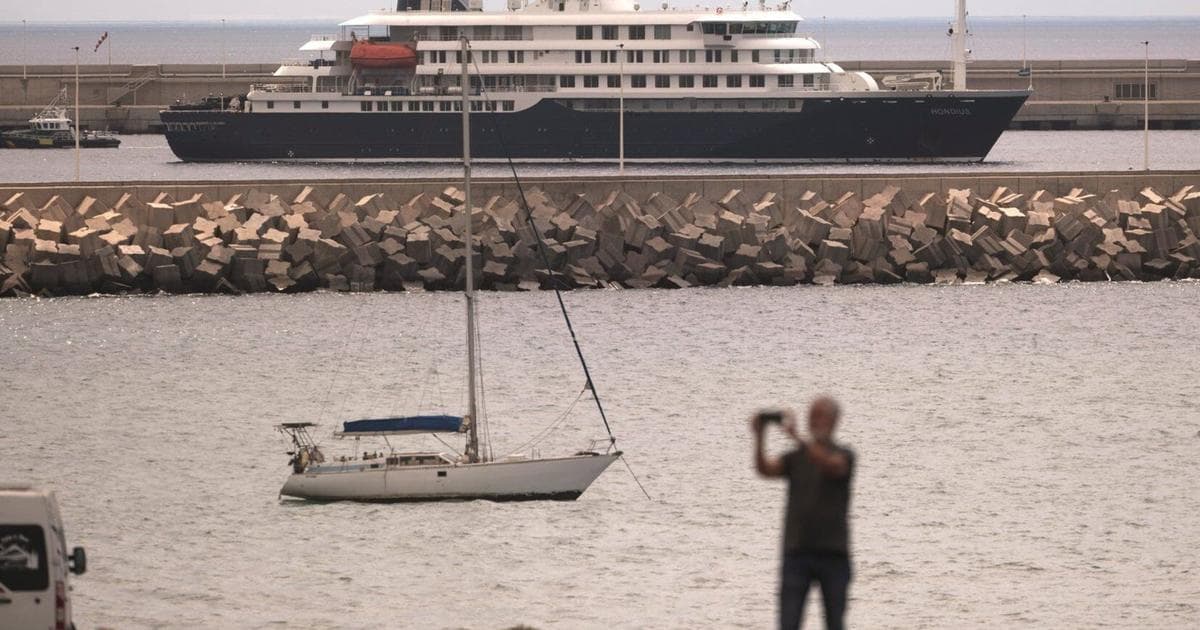
Doctor Who Helped Ship Take Care of Passengers with Hantavirus Is Isolated in Nebraska Medical Unit
Why It Matters
The case highlights the challenges of diagnosing emerging zoonotic diseases in travel settings and the importance of specialized containment facilities. It also reassures travelers that rigorous quarantine protocols can limit wider community spread.
Key Takeaways
- •Doctor Stephen Kornfeld cleared from Nebraska biocontainment unit.
- •Hantavirus outbreak affected over 120 cruise passengers and crew.
- •WHO reports 11 cases, three deaths linked to ship.
- •No vaccine; early detection improves survival rates.
- •Public risk low; rodent droppings primary transmission route.
Pulse Analysis
Hantavirus, a rodent‑borne virus rarely transmitted between humans, surged into global headlines when the MV Hondius cruise ship reported an outbreak in May 2026. The pathogen, primarily spread through aerosolized rodent excreta, caused flu‑like symptoms and, in severe cases, fatal pulmonary syndrome. The cruise environment—confined spaces, shared facilities, and international itineraries—amplified concerns about rapid spread, prompting the World Health Organization to issue travel advisories and a 42‑day quarantine recommendation for all passengers and crew.
The medical response showcased the critical role of high‑containment facilities like the University of Nebraska Medical Center’s biocontainment unit. Dr. Stephen Kornfeld’s isolation stemmed from an inconclusive nasal swab, illustrating the diagnostic ambiguity that can arise with emerging pathogens. Coordination between the CDC, WHO, and local health authorities enabled swift testing, repeat analyses in the Netherlands, and eventual clearance for discharge. Such collaboration underscores the necessity of robust surveillance networks and the capacity to mobilize specialized care when standard hospital settings are insufficient.
For the travel and hospitality sectors, the incident serves as a cautionary tale and a catalyst for enhanced biosecurity protocols. Cruise lines are now re‑evaluating rodent control measures, passenger health screenings, and emergency response plans to mitigate future zoonotic threats. Moreover, the episode reinforces the value of transparent communication with the public, helping maintain confidence while reinforcing that, with early detection and proper isolation, the broader community risk remains minimal.
Doctor who helped ship take care of passengers with hantavirus is isolated in Nebraska medical unit
Comments
Want to join the conversation?
Loading comments...