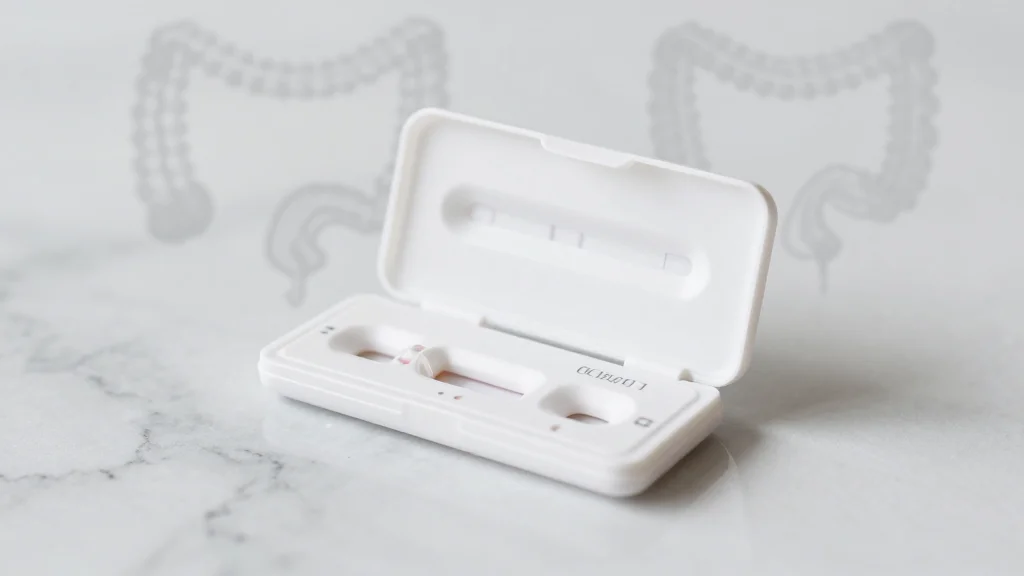
Early Detection of Bowel Cancer in the UK Represents Success of Screening Program
Why It Matters
Early detection cuts mortality and health‑system costs, making the screening expansion a critical public‑health lever. The programme’s success also validates home‑testing models for other preventable cancers.
Key Takeaways
- •7 million screened in 2025, up from 4.7 million in 2015
- •Home faecal immunochemical kits sent to ~9 million people annually
- •Screening age lowered to 50‑59 years in 2021
- •National Cancer Plan aims for 17,000 early diagnoses by 2035
Pulse Analysis
Bowel cancer remains the UK’s fourth‑most common malignancy, accounting for roughly 12 % of all cancer cases in 2021‑22. Historically, survival rates have been modest, with only half of newly diagnosed patients living beyond five years. The NHS’s organized screening, introduced in 2006, has evolved from a colonoscopy‑centric approach to a largely non‑invasive model, leveraging the faecal immunochemical test (FIT). This shift has broadened reach, especially as the programme now targets adults aged 50‑59, reflecting rising incidence among younger cohorts.
The adoption of FIT kits has been a game‑changer. By 2025, the NHS dispatched nearly 9 million home‑testing kits each year, enabling convenient sample collection and reducing barriers to participation. Screening uptake among those 60 and older climbed from 50 % in 2006 to 70 % in 2025, while total screened individuals jumped to 7 million. These numbers translate into 70,000 cancers caught early and 270,000 high‑risk individuals placed under surveillance, directly supporting the National Cancer Plan’s ambition to diagnose 17,000 cases earlier and save 6,000 lives by 2035.
Looking ahead, GlobalData projects 50,000 new bowel‑cancer cases in 2026, rising to 55,000 by 2031—a 1.8 % annual growth driven by demographic shifts and lifestyle factors. The continued expansion of FIT distribution, combined with advances in genetic testing and public‑health messaging around diet, alcohol, and obesity, will be pivotal in curbing this trajectory. For policymakers and healthcare providers, the data underscore the cost‑effectiveness of scaling home‑based screening and integrating personalized risk assessments to sustain mortality reductions while managing rising case volumes.
Early detection of bowel Cancer in the UK represents success of screening program
Comments
Want to join the conversation?
Loading comments...