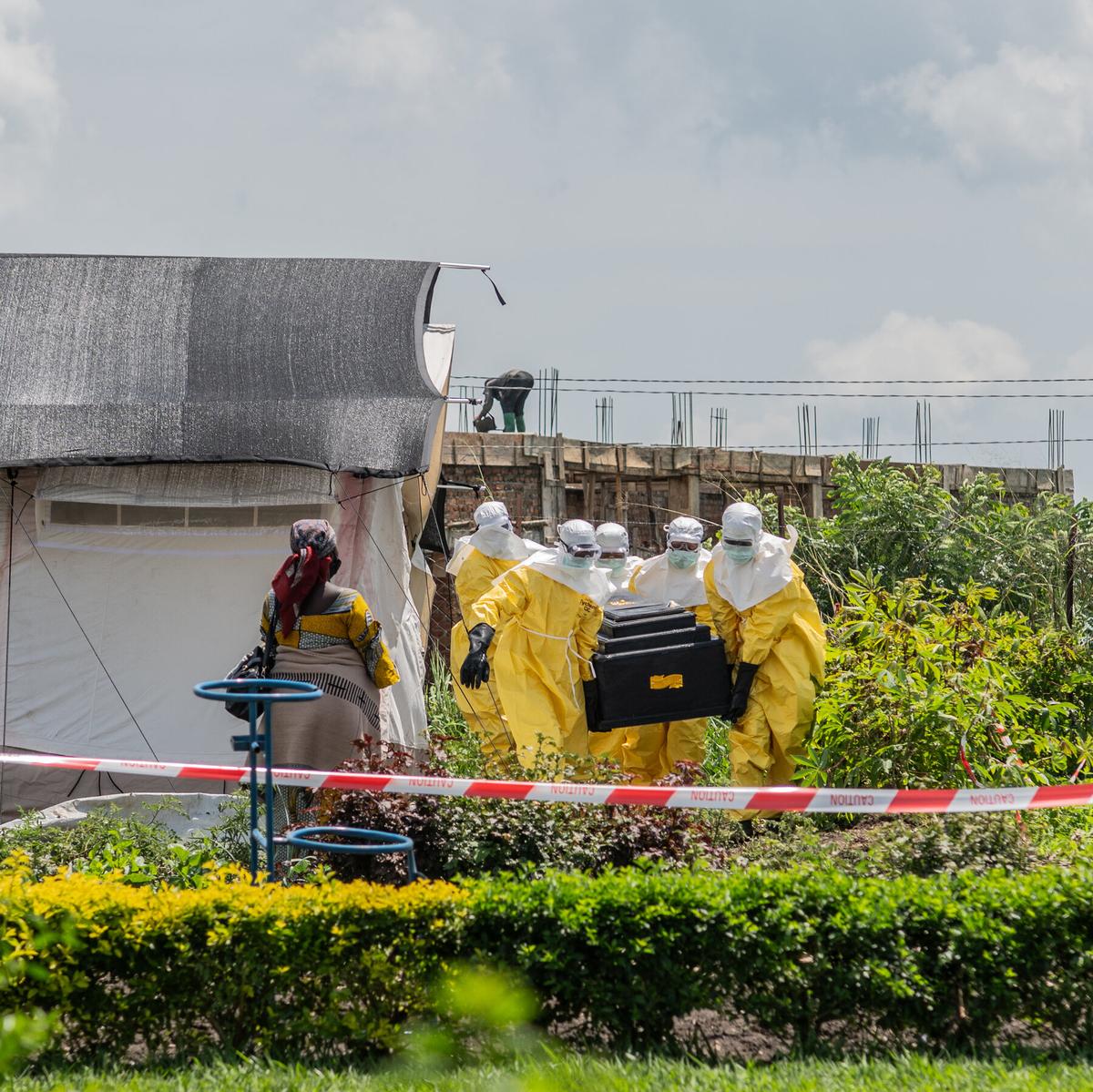
Ebola Crisis Sparks Debate Over Global Health Double Standards
Why It Matters
The dispute underscores how perceived inequities in global health governance can erode trust, delay interventions, and ultimately affect outbreak containment. Addressing these double standards is crucial for more effective, collaborative pandemic responses.
Key Takeaways
- •WHO accused of delayed Ebola response in East Africa.
- •Africa CDC faced criticism for slow outbreak announcement.
- •African health workers' successes remain under‑reported globally.
- •Debate highlights persistent double standards in global health aid.
- •Calls for equitable partnership could reshape future outbreak protocols.
Pulse Analysis
The latest Ebola flare‑up in the Democratic Republic of Congo and neighboring Kenya has reignited a controversy over who should lead the response. Within days of the first confirmed case, the World Health Organization (WHO) was accused by U.S. Secretary of State Marco Rubio and regional officials of lagging behind the Africa Centers for Disease Control and Prevention (Africa CDC) in issuing alerts. Africa CDC, in turn, faced rebuke for a delayed declaration of the outbreak’s geographic spread. The rapid back‑and‑forth underscores pressure on international agencies to act swiftly while respecting sovereign sensitivities.
Beyond the immediate criticism, the episode revives a deeper grievance: African health systems are routinely judged by external standards while their own achievements receive scant recognition. Over the past two decades, African laboratories have pioneered rapid diagnostic kits for Lassa fever, cholera and, more recently, Ebola, cutting case‑fatality rates in several countries. Yet these successes rarely make headlines, and frontline workers often bear the brunt of blame when outbreaks flare. The perception that outsiders “know best” erodes local morale and can hamper timely reporting, creating a feedback loop that weakens overall pandemic preparedness.
The controversy signals a turning point for global health governance. Policymakers in Geneva and Washington are now pressed to design response frameworks that give African agencies a co‑leadership role, from surveillance to vaccine allocation. Such a shift could accelerate capacity building, improve data sharing, and restore trust among communities that have grown skeptical of outside interventions. If the WHO and donor nations adopt a more collaborative model, future outbreaks—whether Ebola, COVID‑variant strains, or zoonotic threats—may be contained faster, reducing both human toll and economic disruption.
Ebola Crisis Sparks Debate Over Global Health Double Standards
Comments
Want to join the conversation?
Loading comments...