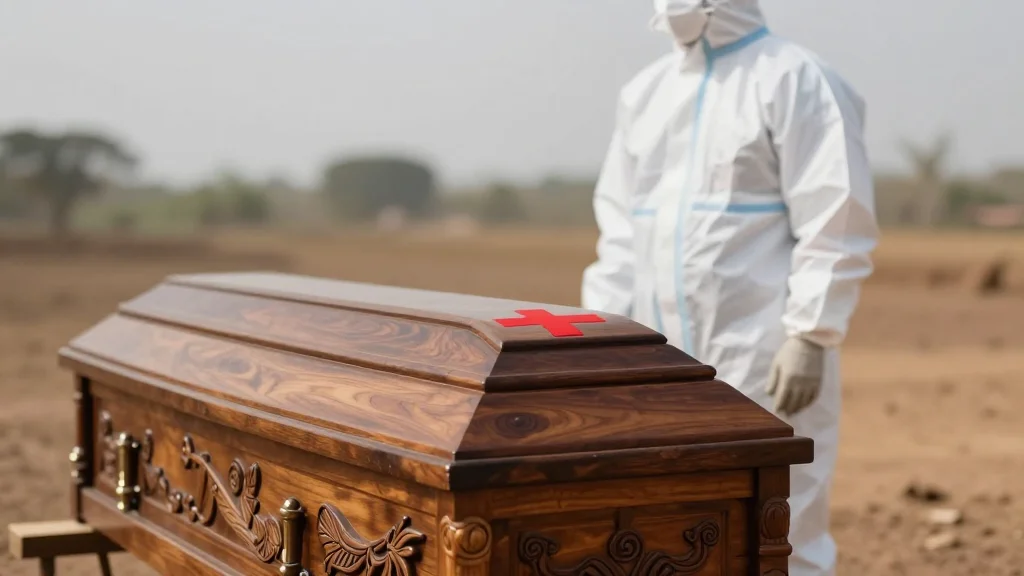
Ebola Treatment Center Burned in Congo After Residents Blocked From Retrieving Victim’s Body

Why It Matters
The Rwampara arson highlights a recurring dilemma in epidemic response: balancing respect for deeply rooted cultural practices with the imperative to halt transmission. When communities feel excluded from decision‑making, misinformation spreads, and compliance with health directives erodes, jeopardizing containment efforts and endangering both patients and responders. In the DRC, where health systems are already fragile and conflict‑driven displacement is widespread, each breach of protocol can accelerate the outbreak’s trajectory. The incident also serves as a warning to other nations facing similar pathogens that community engagement must be integral to any emergency response plan, lest public health measures be undermined by local resistance.
Key Takeaways
- •Residents torched an Ebola treatment centre in Rwampara after being blocked from retrieving a victim’s body.
- •WHO upgraded the outbreak risk in Congo to "very high"; 82 confirmed cases and 7 deaths, but likely far more.
- •Nearly 750 suspected cases and 177 suspected deaths have been reported across Ituri Province.
- •Deputy Senior Commissioner Jean Claude Mukendi emphasized mandatory burial regulations to prevent spread.
- •Health facilities are overwhelmed; isolation wards are full and protective equipment is scarce.
Pulse Analysis
The Rwampara incident is a stark reminder that epidemic control is as much a sociopolitical challenge as a medical one. Historically, Ebola outbreaks have flared when safe burial practices clash with local customs—most notably in West Africa in 2014‑2016, where funeral rites accounted for a significant share of transmissions. In the DRC, the pattern repeats, but the stakes are amplified by ongoing armed conflict and a fragmented health infrastructure. The arson not only disrupts immediate treatment capacity but also signals a loss of community trust, which is essential for effective contact tracing and case isolation.
From a market perspective, the escalation could trigger a re‑allocation of donor funds toward community‑engagement programs, potentially diverting resources from vaccine research or therapeutic development. Private sector players that supply personal protective equipment, rapid diagnostic kits, and mobile health platforms may see heightened demand as governments and NGOs scramble to reinforce frontline defenses. Conversely, investors may view the heightened volatility as a risk factor, prompting a cautious stance on emerging‑market health equities tied to the region.
Looking ahead, the outbreak’s trajectory will hinge on the ability of Congolese authorities and international partners to integrate culturally attuned communication strategies with robust medical interventions. If successful, the crisis could become a case study in how nuanced, community‑first approaches can curb deadly pathogens even in the most volatile settings. Failure, however, risks a protracted epidemic that could spill over borders, strain global health resources, and reignite debates over the balance between public health mandates and cultural rights.
Ebola Treatment Center Burned in Congo After Residents Blocked from Retrieving Victim’s Body
Comments
Want to join the conversation?
Loading comments...