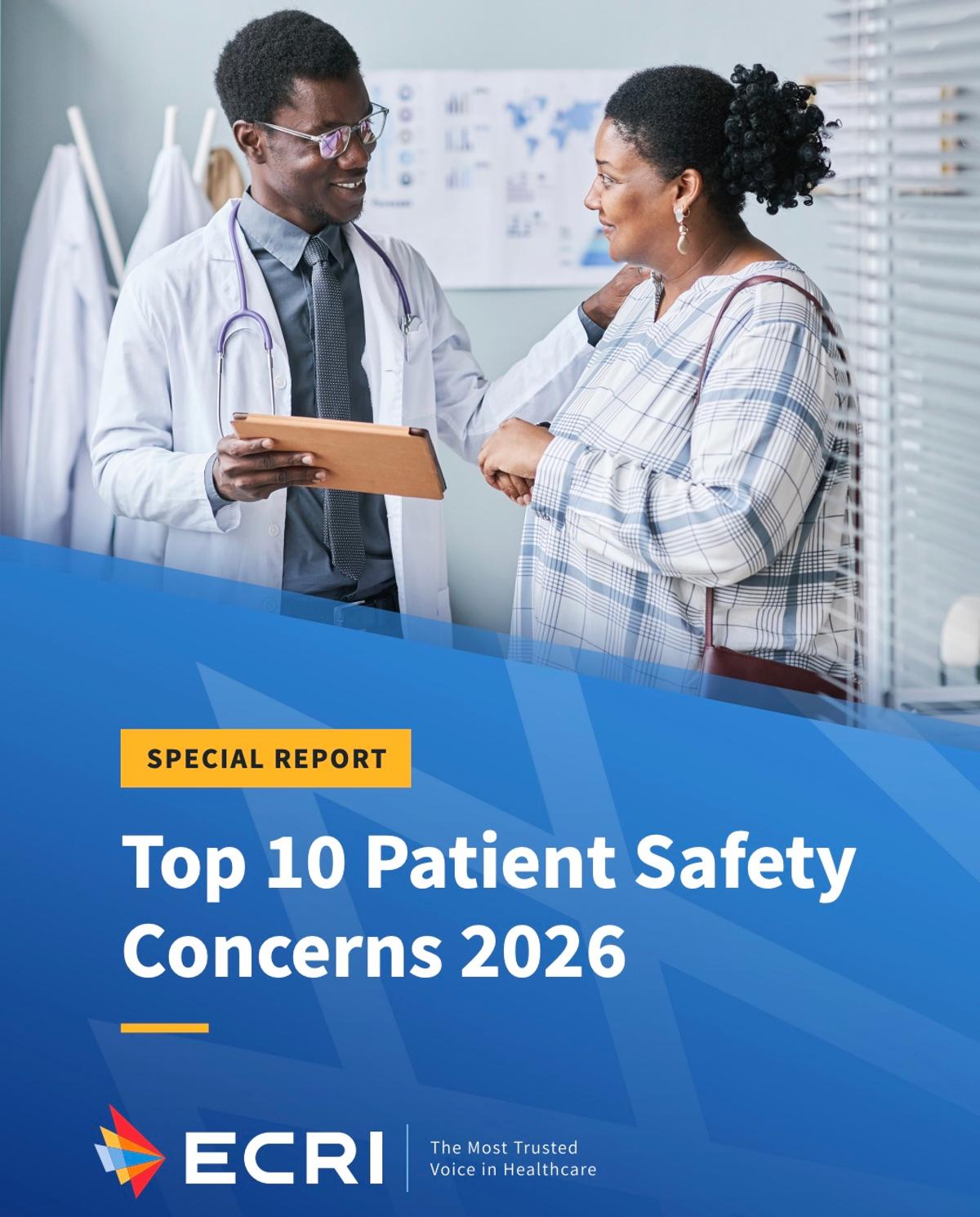
ECRI Releases 2026 Top 10 Patient Safety Concerns Highlighting AI, Rural Health, and Workforce Shortages
•March 9, 2026
0
Why It Matters
The ranking signals urgent need for robust AI governance and systemic reforms, as failures directly impact patient outcomes and health equity.
Key Takeaways
- •AI diagnostic errors top patient safety threat
- •Rural hospital closures reduce essential care access
- •Workforce shortages exacerbate safety gaps nationwide
- •Blame culture suppresses incident reporting and learning
- •Federal funding cuts threaten safety program sustainability
Pulse Analysis
The emergence of artificial intelligence as the leading patient‑safety threat marks a watershed moment for health‑care governance. ECRI’s report highlights automation bias, where clinicians defer to algorithmic suggestions, increasing the risk of missed or delayed diagnoses. Compounding the problem, many AI models are trained on historical datasets that embed demographic biases, potentially widening health disparities. Without rigorous clinical oversight, validation protocols, and transparent model documentation, hospitals risk deploying tools that amplify errors rather than mitigate them. Regulators and health systems must therefore institute mandatory safety‑checks, bias audits, and continuous performance monitoring before scaling AI diagnostics.
Rural health collapse occupies the second slot, underscoring a decades‑long trend of hospital closures driven by shrinking reimbursements and rising operational costs. As community hospitals shutter, patients in remote areas face longer travel times, delayed emergency care, and limited access to specialty services, which directly correlates with higher morbidity and mortality rates. The shortage of telehealth infrastructure further isolates these populations, leaving them vulnerable to preventable complications. Policymakers must prioritize targeted subsidies, incentive programs for rural providers, and broadband expansion to preserve essential care corridors and bridge the geographic safety gap.
The report also flags persistent workforce shortages, a culture of blame, and dwindling federal funding as systemic accelerants of safety failures. Overburdened clinicians, lacking psychological safety, are less likely to report near‑misses, stifling organizational learning. Simultaneously, cuts to federal safety grants erode resources for training, incident analysis, and technology upgrades. Addressing these intertwined issues requires cultivating transparent, non‑punitive reporting environments, investing in staff retention strategies, and restoring robust public‑sector financing. A coordinated approach can transform safety culture, bolster staffing resilience, and ultimately reduce preventable harm across the health‑care continuum.
ECRI Releases 2026 Top 10 Patient Safety Concerns Highlighting AI, Rural Health, and Workforce Shortages
0
Comments
Want to join the conversation?
Loading comments...