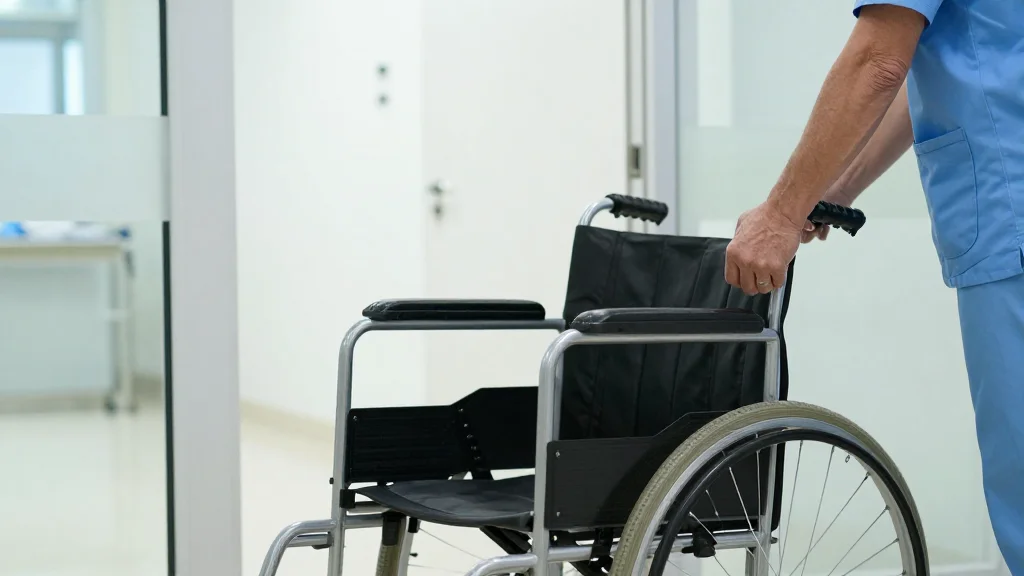
ED Strategy Redesign Aims to Improve Dementia Patient Outcomes
Companies Mentioned
Why It Matters
With more than 50% of dementia patients visiting the ED each year, the redesign could reduce complications, lower readmissions, and improve caregiver experiences, delivering measurable value to health systems.
Key Takeaways
- •Over half of dementia patients visit ED annually.
- •New redesign uses identification tools, psychosocial triad, follow-up.
- •One‑hour training curriculum prepared for all ED clinicians.
- •Strategy leverages existing EHR data, similar to post‑visit calls.
- •Potential to improve discharge outcomes and caregiver satisfaction.
Pulse Analysis
The growing prevalence of dementia places unprecedented strain on emergency departments, where clinicians often struggle to recognize cognitive impairment amid acute presentations. By integrating dedicated identification tools into triage, the new redesign ensures that dementia is flagged early, allowing staff to tailor communication and care pathways. This proactive approach not only streamlines clinical decision‑making but also aligns with broader initiatives to personalize emergency care for vulnerable populations.
Beyond detection, the strategy emphasizes psychosocial dynamics among patients, caregivers, and providers. Structured conversations that address caregiver concerns and patient preferences can mitigate the confusion and stress that frequently accompany ED visits. Coupled with a systematic post‑discharge follow‑up protocol, the model creates a continuity loop that bridges the gap between acute treatment and community support, thereby reducing avoidable readmissions and enhancing overall health outcomes.
Implementation feasibility is a key advantage. The one‑hour, competency‑based training leverages existing EHR infrastructure and mirrors current post‑visit call processes, facilitating rapid adoption across diverse health systems. As hospitals seek cost‑effective solutions to improve quality metrics, this redesign offers a scalable template that can be customized to local resources while delivering measurable improvements in patient safety, caregiver satisfaction, and operational efficiency.
ED strategy redesign aims to improve dementia patient outcomes
Comments
Want to join the conversation?
Loading comments...