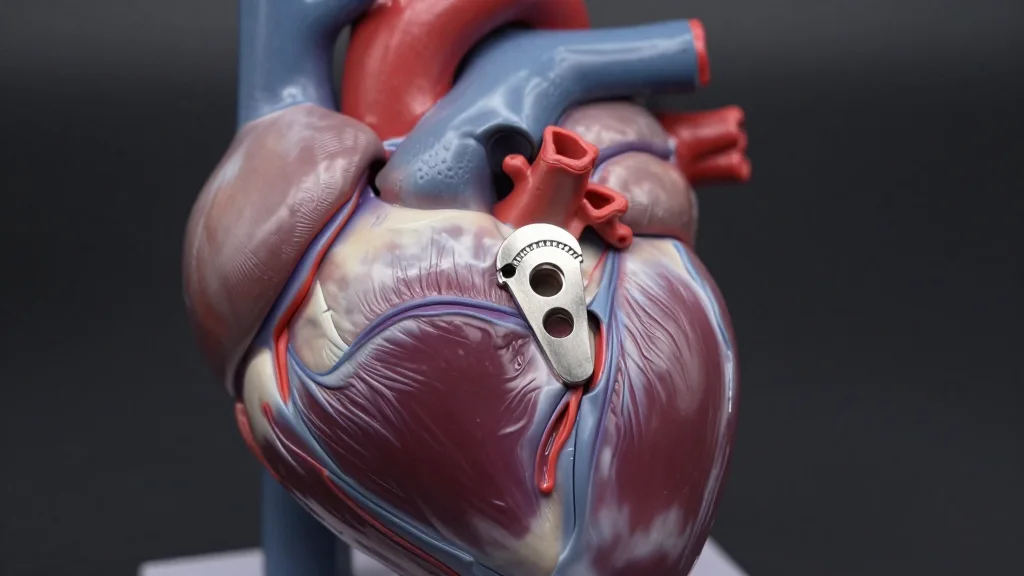
Edwards Gets FDA Approval for Surgical Tricuspid Valve
Why It Matters
The approval expands treatment options for tricuspid regurgitation, potentially lowering mortality and opening a sizable market for surgical solutions alongside transcatheter therapies. It signals growing confidence in addressing a high‑risk, high‑need patient population.
Key Takeaways
- •Edwards' Triformis Resilia is first FDA‑cleared surgical tricuspid valve
- •Flat sewing ring mimics native tricuspid annulus for better fit
- •Society of Thoracic Surgeons data shows 5.6% operative mortality risk
- •Edwards also markets Evoque, only FDA‑approved transcatheter tricuspid replacement
Pulse Analysis
Tricuspid regurgitation has long been a blind spot in structural heart interventions, with most patients relegated to medical management or high‑risk surgery. The anatomy of the tricuspid valve—three leaflets and a large, dynamic annulus—makes conventional repair challenging, and the lack of a dedicated surgical prosthesis has limited options for isolated disease. Edwards Lifesciences' Triformis Resilia addresses this gap by adapting its proven Resilia tissue platform to a design that conforms to the native annular shape, potentially improving hemodynamic performance and durability.
The FDA's green light arrives as new evidence reshapes the risk profile of isolated tricuspid surgery. An analysis of the Society of Thoracic Surgeons database reported an operative mortality rate of 5.6%, markedly lower than the 10%‑plus historically quoted. This data provides a benchmark that could reassure surgeons and patients alike, encouraging broader adoption of surgical replacement when transcatheter options are unsuitable. Triformis Resilia's flattened sewing ring simplifies implantation, reducing cross‑clamp time and aligning with contemporary minimally invasive approaches.
From a market perspective, Edwards' move strengthens its foothold in the emerging tricuspid segment. The company already offers the Evoque transcatheter valve—the only FDA‑approved device of its kind—and is pursuing label expansion for the Pascal repair system. Together, these products create a comprehensive portfolio that spans repair, replacement, and minimally invasive delivery, positioning Edwards as a one‑stop shop for clinicians tackling tricuspid disease. As the patient pool expands and reimbursement pathways solidify, the commercial upside for surgical tricuspid solutions could be substantial.
Edwards gets FDA approval for surgical tricuspid valve
Comments
Want to join the conversation?
Loading comments...