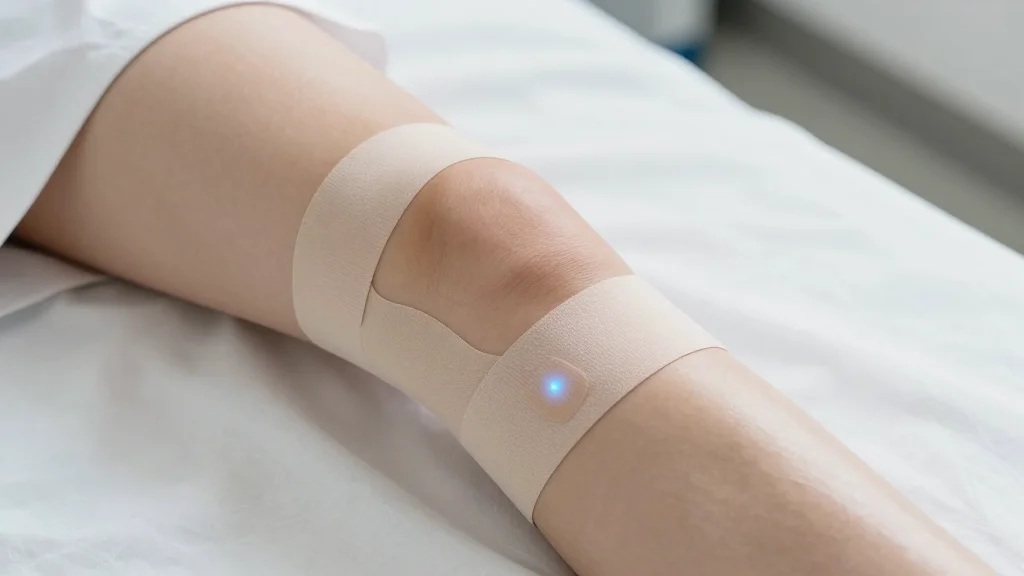
Effect of Percutaneous Acupoint Electrical Stimulation Combined with Nutritional Support on Gastrointestinal Function and Nutritional Status of Patients After Unicondylar Knee Arthroplasty
Why It Matters
Accelerating GI function and nutrition after knee arthroplasty shortens hospital stays, reduces complications, and enhances patient satisfaction, offering a low‑cost, non‑pharmacologic adjunct for orthopedic recovery.
Key Takeaways
- •Electrical stimulation reduced time to first flatus by ~9 hours
- •Combined therapy raised total effective rate to 86.7% versus 63.3%
- •Serum motilin and gastrin increased while IL‑2/IL‑6 decreased
- •Nutritional indicators (protein, albumin, prealbumin) improved significantly
- •Adverse reaction incidence fell to 6.7% from 26.7%
Pulse Analysis
Post‑operative gastrointestinal dysfunction is an under‑recognized hurdle in orthopedic surgery, especially after unicondylar knee arthroplasty (UKA). While abdominal procedures have long been linked to ileus, the incidence of abdominal distension and constipation after joint replacement can delay mobilization, impair wound healing, and increase the risk of malnutrition. Traditional management relies on pharmacologic pro‑kinetics and gradual diet advancement, yet these approaches often fall short in elderly patients whose baseline digestive capacity is already compromised. Integrating a non‑invasive modality such as percutaneous acupoint electrical stimulation (PAES) addresses the neural control of gut motility by activating vagal pathways, thereby enhancing acetylcholine release and promoting coordinated peristalsis.
The trial’s findings demonstrate that PAES, when paired with a hydrolyzed protein supplement, not only shortens key recovery milestones—bowel sounds, first flatus, and first defecation—but also modulates systemic inflammation, as evidenced by lower IL‑2 and IL‑6 levels. Elevated motilin and gastrin suggest a direct hormonal boost to gastric emptying, while improved serum total protein, albumin, and prealbumin reflect better nitrogen balance and immune competence. These biochemical shifts translate into tangible clinical benefits: higher overall efficacy, reduced adverse events, and enhanced patient comfort scores. For hospitals, the implications are clear—faster GI recovery can reduce length of stay, lower readmission rates, and cut costs associated with complications.
Looking ahead, larger multicenter studies should explore optimal stimulation parameters, timing relative to surgery, and the scalability of PAES across other orthopedic procedures. Combining electrical stimulation with tailored nutritional formulas could become a standard peri‑operative protocol, especially in settings where rapid functional recovery is a priority. As the healthcare system increasingly values value‑based care, interventions that simultaneously improve outcomes and contain expenses, like the PAES‑nutrition combo, are poised to gain traction among surgeons, anesthesiologists, and rehabilitation teams.
Effect of percutaneous acupoint electrical stimulation combined with nutritional support on gastrointestinal function and nutritional status of patients after unicondylar knee arthroplasty
Comments
Want to join the conversation?
Loading comments...