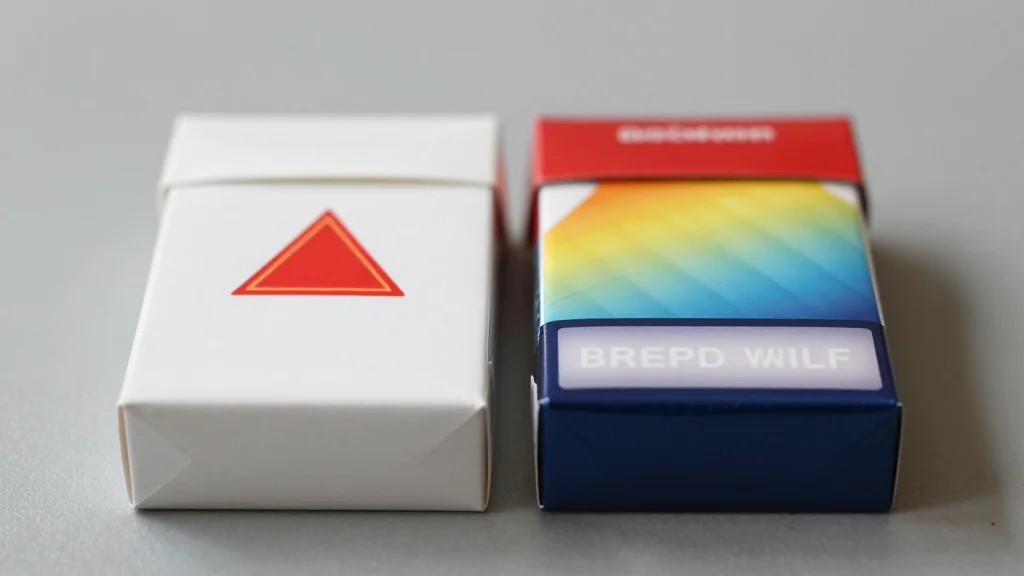
Effect of Plain Cigarette Packaging on Point-of-Sale Purchasing Behavior Among Young Adults Who Smoke
Why It Matters
Full plain packaging can directly reduce sales among young adults, giving regulators a proven lever to curb tobacco use, while partial plain packaging appears ineffective.
Key Takeaways
- •Full plain packs reduced purchases by nearly half versus branded packs
- •Half‑coverage plain packs did not change buying behavior
- •Motivation to quit remained unchanged across all packaging conditions
- •Study provides experimental support for U.S. plain‑pack legislation
- •Retail power‑wall exposure remains a key driver of youth smoking
Pulse Analysis
Globally, plain cigarette packaging has emerged as a cornerstone of tobacco control, with countries like Australia, the United Kingdom, and France demonstrating measurable declines in smoking prevalence after implementation. The World Health Organization endorses plain packs as a cost‑effective strategy to diminish the appeal of tobacco products, especially among price‑sensitive and image‑driven young adults. In the United States, however, regulatory momentum has stalled, leaving a gap that new experimental evidence can help fill.
The RAND StoreLab study recreated a life‑sized convenience store, randomly assigning 433 participants aged 21‑34 to three visual environments: a typical branded power wall, a fully standardized brown‑green pack, or a half‑standardized pack. By tracking actual purchase decisions and pre‑post motivation to quit, researchers isolated the visual impact of packaging from other price or promotional cues. The data revealed a statistically significant 46% reduction in cigarette purchases under full‑coverage plain packaging, while half‑coverage packs failed to move the needle, underscoring the importance of complete visual uniformity.
These findings give U.S. policymakers concrete, experimental proof that full plain packaging can suppress youth‑focused sales without relying on price hikes or advertising bans. The lack of effect on quit motivation suggests that packaging alone may not drive cessation, but it can reduce initiation and consumption. Regulators such as the FDA could leverage this evidence to mandate uniform, non‑branded packs, potentially reshaping the retail power‑wall landscape and delivering public‑health gains. Future research should explore long‑term behavior, cross‑price interactions, and industry counter‑strategies to ensure comprehensive tobacco control.
Effect of Plain Cigarette Packaging on Point-of-Sale Purchasing Behavior Among Young Adults Who Smoke
Comments
Want to join the conversation?
Loading comments...