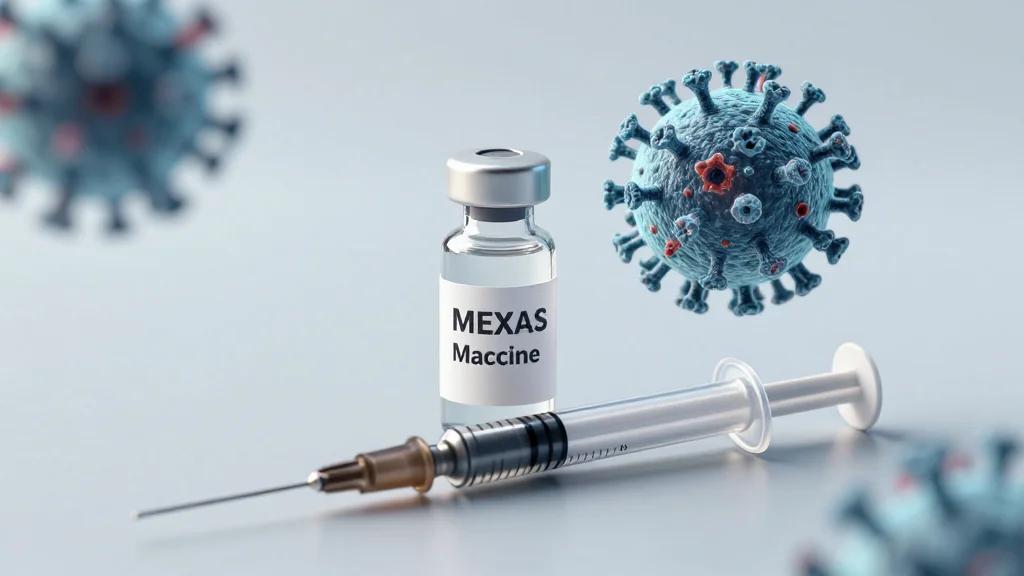
Emergency Room Survey Uncovers Measles Vaccine Gaps and Hesitancy Across the US
Why It Matters
The findings expose a hidden reservoir of under‑vaccinated adults who frequent emergency departments, signaling a missed opportunity for public‑health outreach that could curb measles outbreaks. Leveraging ERs for low‑burden screening and education could improve vaccine equity and reduce disease spread among vulnerable populations.
Key Takeaways
- •2,459 ER patients surveyed across ten U.S. hospitals.
- •Significant knowledge gaps and under‑vaccination linked to race, language, insurance.
- •ERs identified as safety‑net sites for vaccine education and referral.
- •Low‑burden screening can improve MMR uptake among underserved adults.
Pulse Analysis
Measles cases have surged in recent years, with California reporting its highest annual count in seven years. The disease’s extreme contagiousness means that even modest declines in MMR coverage can spark outbreaks, prompting public‑health officials to scrutinize vaccination gaps across the country. While traditional primary‑care settings remain the primary conduit for immunizations, many high‑risk individuals lack regular access, creating blind spots in herd‑immunity calculations.
The UC Riverside‑led study, published in the American Journal of Emergency Medicine, provides a rare glimpse into those blind spots by sampling emergency‑department patients—a population that often represents the uninsured, under‑insured, and linguistically diverse. Over half of respondents either could not confirm their MMR status or admitted they had never received the vaccine. The analysis linked these gaps to systemic factors such as limited health‑literacy resources, language barriers, and insurance gaps, underscoring that vaccine hesitancy is as much a structural issue as an informational one.
For health systems, the research suggests a pragmatic pathway: integrate brief MMR screening and targeted education into emergency‑department workflows. Even without on‑site vaccine administration, clinicians can direct patients to nearby pharmacies or community clinics, leveraging existing referral networks. Such low‑burden interventions could boost adult vaccination rates, narrow equity gaps, and ultimately blunt the momentum of measles resurgence. Policymakers and hospital administrators should consider funding dedicated outreach staff or digital decision‑support tools to operationalize this safety‑net approach.
Emergency room survey uncovers measles vaccine gaps and hesitancy across the US
Comments
Want to join the conversation?
Loading comments...