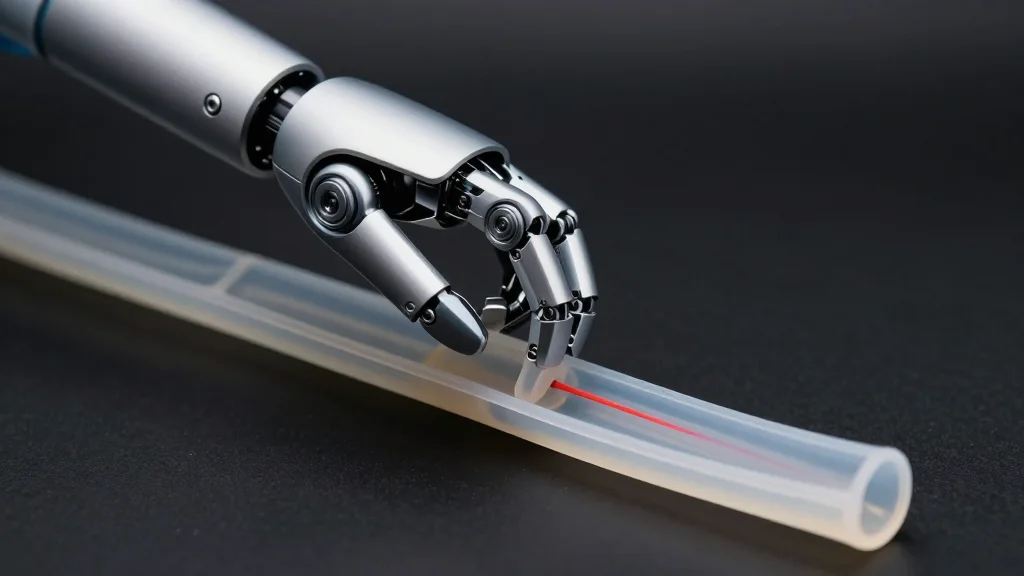
Emory Hospital Deploys Microbot Medical’s Liberty Robot for First U.S. Endovascular Procedures

Why It Matters
The deployment of Liberty at Emory represents a tangible step toward robot‑assisted endovascular care, a field that could reshape how physicians treat vascular disease, cancer, and musculoskeletal conditions. By reducing manual dexterity demands, the system promises to lower operator fatigue and potentially improve procedural accuracy, which may translate into fewer complications and faster recoveries for patients. Moreover, the successful adoption at a leading academic hospital provides a benchmark for other institutions, accelerating the diffusion of robotic technology across the U.S. healthcare system. If early outcomes confirm the anticipated benefits, insurers may be more willing to reimburse robotic procedures, prompting a wave of capital spending on similar platforms. Conversely, if cost‑effectiveness remains unproven, hospitals could face pressure to justify the investment, slowing broader uptake. The Emory case will therefore serve as a critical data point for policymakers, payers, and manufacturers alike.
Key Takeaways
- •Emory University Hospital performed a dozen procedures using Liberty, the first U.S. use of the robot.
- •Liberty received FDA clearance in September and is the only approved endovascular robot for U.S. hospitals.
- •Procedures included arthritis interventions and targeted chemotherapy delivery to a liver tumor.
- •The joystick‑like controller enables hands‑free wire navigation, reducing physician strain and improving precision.
- •Emory will expand use to peripheral and neuro‑vascular cases while tracking outcomes for future reimbursement discussions.
Pulse Analysis
Microbot Medical’s Liberty system arrives at a moment when hospitals are aggressively pursuing automation to improve outcomes and control costs. The interventional radiology market, traditionally dominated by manual techniques, has seen incremental advances in imaging and navigation, but few have addressed the ergonomic toll on physicians. By offering a console‑based interface, Liberty directly tackles that pain point, potentially extending the careers of interventionalists and reducing staff turnover.
Historically, robotic adoption in medicine has followed a pattern: early enthusiasm, rigorous clinical validation, and eventual integration once reimbursement pathways solidify. The da Vinci surgical robot set that precedent in minimally invasive surgery, and its success spurred a proliferation of specialty‑specific platforms. Liberty could follow a similar trajectory in the endovascular space, especially if Emory’s outcome data demonstrate lower complication rates or shorter procedure times. However, the technology’s price tag—estimated in the high‑hundreds of thousands of dollars—means hospitals will scrutinize ROI closely. Early adopters like Emory must therefore provide transparent metrics that justify the capital outlay.
Looking ahead, the competitive landscape is likely to heat up. Companies such as Corindus (acquired by Siemens Healthineers) and Medtronic are already developing robotic catheter navigation solutions. Liberty’s differentiation lies in its FDA‑cleared status and its intuitive joystick design, which may lower the learning curve for physicians. If Emory’s expansion into peripheral and neuro‑vascular procedures proves successful, it could catalyze a broader shift toward robot‑assisted interventions, prompting insurers to develop new reimbursement codes and encouraging other academic centers to pilot similar systems. The next 12‑18 months will be decisive: robust clinical evidence could turn Liberty from a niche curiosity into a standard of care in interventional radiology.
Emory Hospital Deploys Microbot Medical’s Liberty Robot for First U.S. Endovascular Procedures
Comments
Want to join the conversation?
Loading comments...