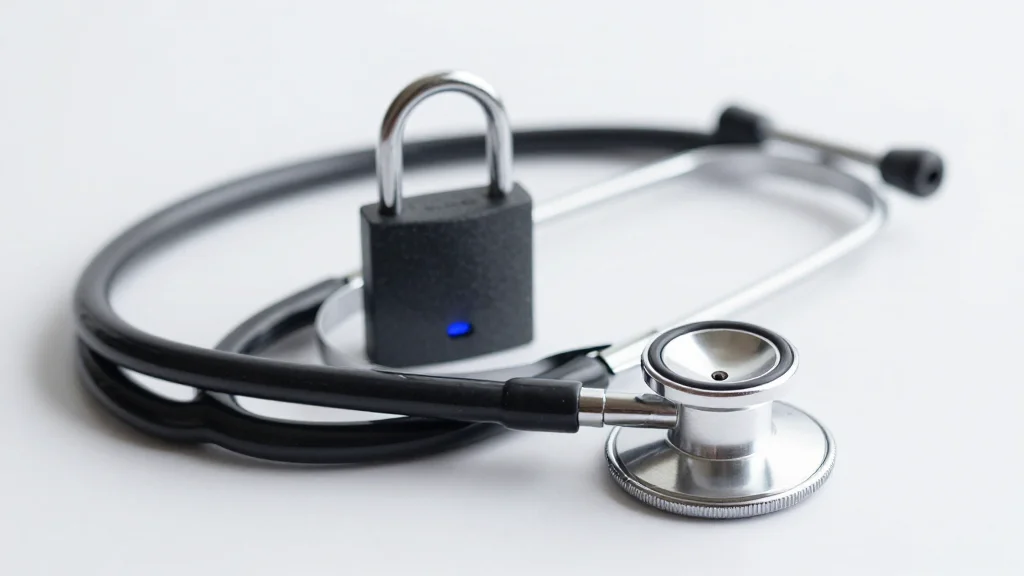
Emphasis on Cybersecurity in Medical Practices Could Protect Both Patients and Health Care
Companies Mentioned
Why It Matters
A breach can halt critical clinical systems, delay treatment, and fuel medical identity theft, directly affecting patient outcomes and provider revenue. Strengthening security therefore safeguards both health outcomes and the financial stability of medical organizations.
Key Takeaways
- •69 of 90 biggest healthcare breaches occurred in 2020s.
- •Change Healthcare attack exposed data of ~192.7 million Americans.
- •Average 47 breaches per month (Sept 2025‑Jan 2026) threaten care continuity.
- •Experts advise identity controls, telemetry monitoring, and third‑party recovery plans.
Pulse Analysis
The frequency of cyber incidents in the health‑care sector has surged as hospitals, clinics and physician offices adopt cloud‑based tools, remote access solutions, and electronic health‑record platforms. According to recent breach statistics, 69 of the 90 largest data compromises in the industry happened after 2020, and from September 2025 to January 2026 an average of 47 breaches were reported each month. These attacks not only jeopardize personal health information but also cripple essential workflows such as prior authorizations, scheduling, and imaging coordination, creating cascading delays in patient care.
Financial repercussions amplify the operational impact. The February 2024 ransomware strike on Change Healthcare—responsible for processing roughly 40% of U.S. medical claims—forced UnitedHealth to pay a ransom and left millions of records exposed. Studies show that 44.4% of ransomware events disrupt clinical delivery, with 10.2% causing appointment cancellations and 41.7% triggering system downtime. Smaller, rural hospitals face the steepest risk because they lack the resources to absorb multi‑week shutdowns, making them prime targets for attackers seeking lucrative medical‑identity theft opportunities.
Industry leaders recommend a tiered security roadmap that begins with basic identity and access controls, expands to continuous telemetry monitoring, and culminates in comprehensive third‑party breach response plans. Two‑factor authentication, offline backups, and regular phishing simulations address the human element that initiates most breaches. Leveraging external cybersecurity ratings can help providers benchmark against Fortune 1000 standards and prioritize investments. As health‑care delivery continues its digital transformation, proactive cyber resilience will be a decisive factor in protecting patient safety and preserving the financial health of medical organizations.
Emphasis on Cybersecurity in Medical Practices Could Protect Both Patients and Health Care
Comments
Want to join the conversation?
Loading comments...