EnVVeno Medical Secures FDA IDE Approval for Venous Valve Study
Why It Matters
A successful TAVVE trial could deliver the first FDA‑cleared, minimally invasive valve for deep‑vein disease, reshaping care for a large, underserved patient population and opening a new market segment for vascular‑device innovators.
Key Takeaways
- •FDA IDE clears first transcatheter venous valve pivotal trial
- •Study will enroll 220 patients, 165 receiving enVVe valve
- •Device targets ~3 million US severe CVI patients
- •Minimally invasive 13‑Fr delivery aims to replace surgical options
- •Early SAVVE trial showed 94% clinical improvement
Pulse Analysis
Chronic venous insufficiency (CVI) affects roughly three million Americans, causing leg swelling, pain, and ulceration that often stem from damaged deep‑vein valves after thrombosis. Conventional therapies range from compression stockings to invasive vein stripping or bypass surgery, yet many patients remain refractory and face high recurrence rates. A transcatheter venous valve that can be delivered percutaneously promises to fill a long‑standing therapeutic gap, offering a less traumatic alternative that could reduce hospital stays and improve quality of life for a sizable patient cohort.
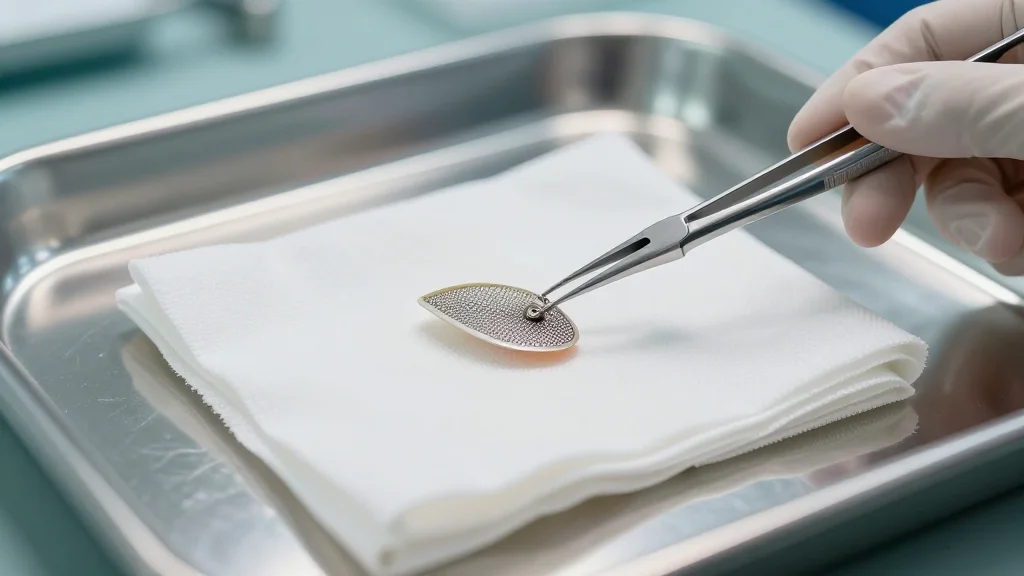
enVVeno Medical’s enVVe system combines a self‑expanding nitinol frame with a porcine pericardial leaflet, packaged in a compact 13‑French delivery catheter. The FDA’s investigational device exemption (IDE) authorizes a two‑stage pivotal trial: an initial safety cohort of ten patients followed by a randomized arm enrolling 220 participants across up to 40 U.S. sites, with 165 receiving the valve and 55 assigned to standard care. Early data from the company’s SAVVE study showed a 94 % improvement rate, bolstering confidence that the device meets efficacy benchmarks required for eventual market clearance.
If the TAVVE trial confirms safety and superiority, enVVeno could become the first FDA‑approved minimally invasive solution for deep‑vein CVI, unlocking a market estimated at several hundred million dollars annually. The device also positions the company against emerging competitors developing endovascular valve technologies for peripheral circulation. Successful commercialization would likely attract strategic partnerships or acquisition interest from larger vascular‑device firms seeking to broaden their portfolios. Moreover, the trial’s outcomes could influence regulatory pathways for similar transcatheter solutions, potentially accelerating innovation across the broader venous‑disease space.
enVVeno Medical secures FDA IDE approval for venous valve study
Comments
Want to join the conversation?
Loading comments...