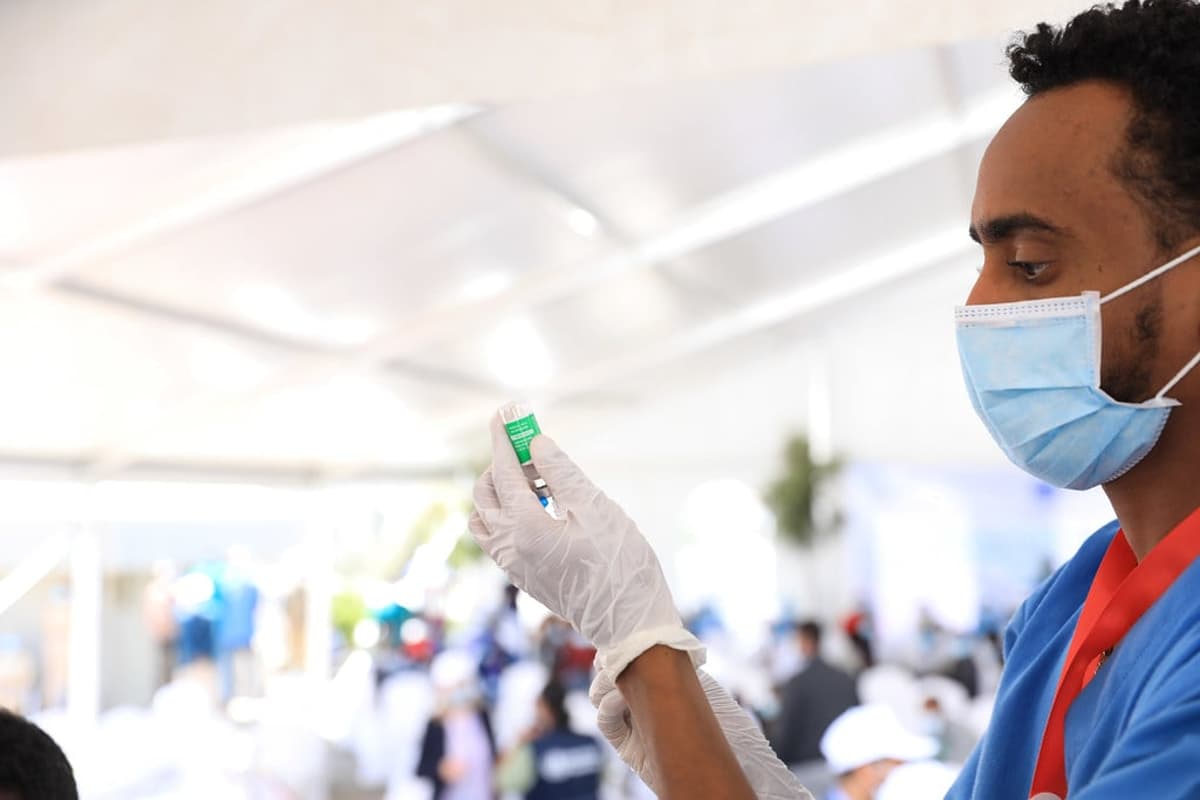
EU Pitches International Vaccine Supply-Chain Plan, Amid Hantavirus Warnings
Why It Matters
Diversifying vaccine supply chains strengthens global health security and limits geopolitical leverage, positioning the EU as a leader in pandemic preparedness. The initiative could reshape how international health aid is structured, favoring resilience over data‑driven commercial deals.
Key Takeaways
- •EU pledges billions of euros (~$1.1 billion per euro) for vaccine supply diversification.
- •Initiative targets global health resilience amid expanding hantavirus outbreak.
- •Commissioner emphasizes cross‑border disease threats and supplier dependency risks.
- •EU plan differs from US strategy that requires patient‑data sharing.
- •Diversified supply chains aim to curb health‑related geopolitical weaponization.
Pulse Analysis
The EU’s Global Health Resilience Initiative arrives at a moment when the world is grappling with a resurging hantavirus outbreak, a reminder that zoonotic diseases can quickly become global crises. By earmarking billions of euros for vaccine supply‑chain diversification, the EU seeks to create a more distributed network of manufacturers, reducing the bottlenecks that plagued COVID‑19 vaccine rollouts. This investment not only addresses immediate public‑health needs but also builds a strategic reserve of production capacity that can be mobilised when new pathogens emerge.
Unlike the United States’ "America First" health strategy, which conditions funding on access to patient data and preferential treatment for American firms, the EU’s approach is framed as a multilateral partnership. It avoids the contentious data‑sharing clauses that have drawn criticism from privacy advocates and developing‑country leaders. By decoupling aid from commercial concessions, the EU positions itself as a neutral health actor, potentially attracting broader participation from nations wary of ceding sensitive health information to foreign corporations.
If successful, the initiative could shift the balance of power in global health governance. A more resilient, geographically dispersed vaccine supply chain would diminish the leverage that a few dominant producers hold over market pricing and distribution. For pharmaceutical companies, this means adapting to a more competitive landscape, while for low‑ and middle‑income countries it promises greater access to life‑saving vaccines without geopolitical strings attached. The EU’s commitment signals a long‑term investment in pandemic preparedness, setting a benchmark for other blocs to follow as the world confronts an era of increasingly frequent health emergencies.
EU pitches international vaccine supply-chain plan, amid hantavirus warnings
Comments
Want to join the conversation?
Loading comments...