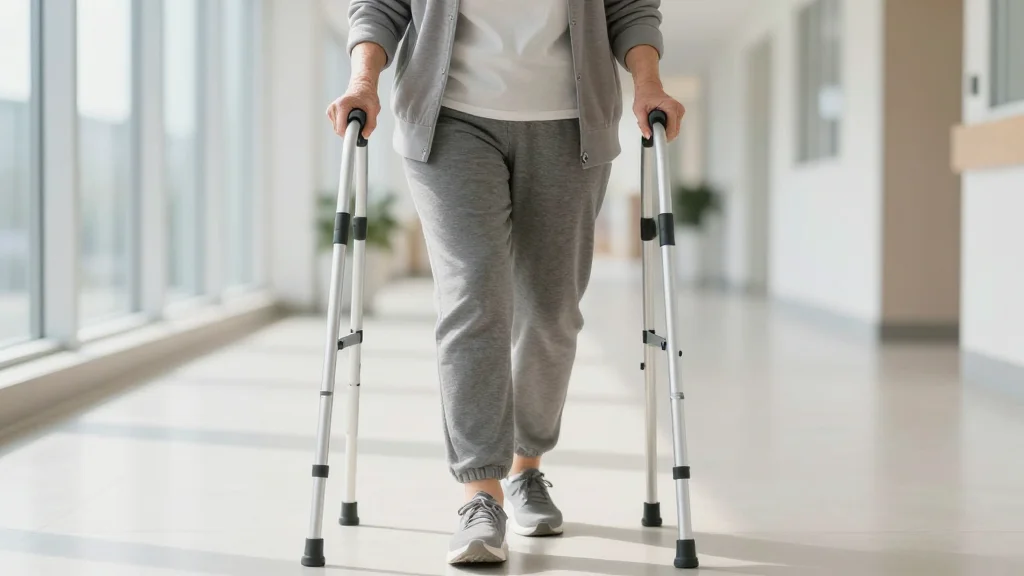
Evaluating Mobility Plan Impact in Swiss Geriatric Clinic
Why It Matters
Improving mobility in older adults reduces falls, hospital readmissions, and associated costs, while enhancing mental health, making it a critical lever for sustainable geriatric care.
Key Takeaways
- •Structured mobility plan improved functional status during hospitalization.
- •Wearable sensors enabled real‑time gait and balance monitoring.
- •Interdisciplinary team meetings boosted staff engagement and protocol adherence.
- •Mobility gains linked to reduced depression and anxiety symptoms.
- •Environmental adaptations like handrails enhanced patient safety and independence.
Pulse Analysis
The global shift toward an older population has placed mobility at the forefront of geriatric health strategies. Declining gait and balance are linked to higher fall rates, longer hospital stays, and escalating Medicare expenditures. Recent research across Europe and North America underscores that proactive mobility programs can blunt these trends, yet many institutions struggle to translate guidelines into bedside practice. The Swiss study arrives at a pivotal moment, offering a data‑driven blueprint for operationalizing mobility enhancement in a high‑acuity setting.
In the Swiss trial, a multidisciplinary team deployed wearable sensors to capture real‑time gait speed, stride variability, and postural sway. These granular metrics fed into a dynamic care plan, allowing therapists to adjust activity intensity daily. Coupled with environmental tweaks—handrails, optimized ward layouts, and assistive devices—the approach yielded a 15% rise in Barthel Index scores and a statistically significant drop in reported depressive symptoms. The study’s rigorous Plan‑Do‑Study‑Act cycles ensured continuous feedback, addressing staff turnover and patient motivation hurdles through regular interdisciplinary huddles and patient‑centered goal setting.
The implications extend beyond a single clinic. By demonstrating that technology‑enabled, team‑based mobility interventions can improve outcomes while curbing costs, the research supports policy shifts toward reimbursing structured mobility programs. Health systems could integrate similar protocols into discharge planning, linking inpatient gains to community‑based exercise services to sustain functional independence. Future investigations may explore the neuroprotective effects hinted at in the data, potentially positioning mobility as a modifiable factor in cognitive decline prevention. For providers and payers alike, the Swiss model offers a scalable pathway to healthier aging and more efficient resource use.
Evaluating Mobility Plan Impact in Swiss Geriatric Clinic
Comments
Want to join the conversation?
Loading comments...