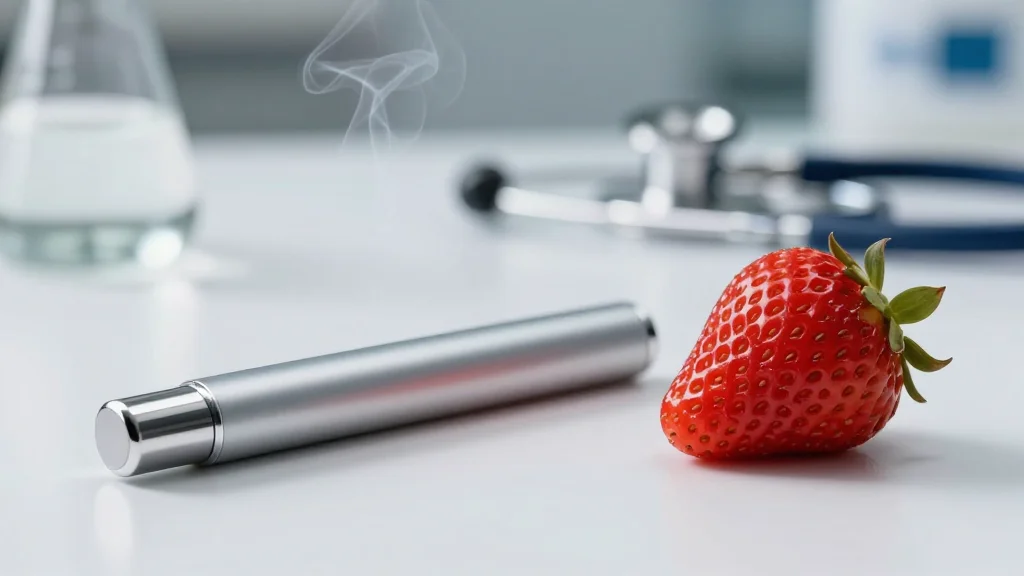
FDA Approves Fruit-Flavored Vapes As Controversy Mounts For Makary
Why It Matters
Reinstating fruit flavors could revive a multi‑billion‑dollar vaping market while raising public‑health concerns about youth nicotine exposure. The decision also tests the FDA’s independence amid political pressure, setting a precedent for future regulatory actions.
Key Takeaways
- •FDA grants first marketing authorization for fruit‑flavored e‑cigarettes.
- •Approval follows reported pressure from President Trump on Commissioner Makary.
- •Anti‑smoking groups immediately denounce the decision.
- •Policy shift could revive vaping market after 2024 campaign promise.
- •Potential regulatory backlash may spark new litigation.
Pulse Analysis
The U.S. Food and Drug Administration’s decision on May 5 marks the first time it has authorized the marketing of fruit‑flavored e‑cigarette products. Since the 2020 flavor ban that eliminated most sweet and candy‑type vapes, the market has contracted, with many manufacturers shifting to tobacco‑style flavors or exiting the sector altogether. By opening the door to fruit flavors, the agency is effectively reversing a key component of that ban, a move that could unlock billions of dollars in sales for major vaping firms that have been lobbying for a return to more palatable products.
The timing of the approval is notable because internal documents and media reports suggest President Donald Trump personally urged FDA Commissioner Marty Makary to green‑light the flavors, citing a campaign promise to “save vaping.” Critics argue that such political pressure threatens the FDA’s scientific independence and may set a precedent for future executive interference in product safety decisions. Anti‑smoking organizations have already mobilized, warning that sweet flavors attract younger users and could reverse declines in youth nicotine use achieved over the past few years.
Industry analysts predict a rapid resurgence in vaping sales, especially among brands that have stocked fruit‑flavored pods for years. However, the decision also opens the door to renewed litigation from public‑health groups seeking to block or restrict the rollout. If courts side with the activists, the FDA may be forced to issue additional restrictions, creating a fragmented regulatory landscape that could complicate compliance for manufacturers and retailers alike.
FDA Approves Fruit-Flavored Vapes As Controversy Mounts For Makary
Comments
Want to join the conversation?
Loading comments...