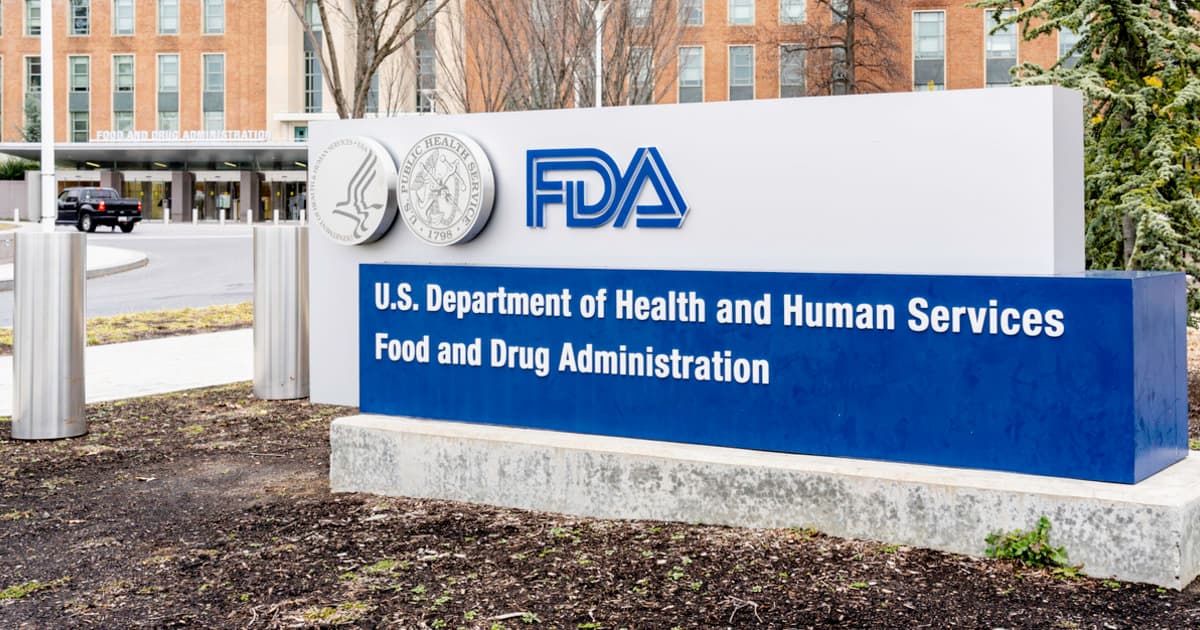
FDA Shares Update on Breast Biopsy Needle Shortage
Companies Mentioned
Why It Matters
A prolonged needle shortage jeopardizes timely breast cancer diagnosis, potentially delaying treatment and widening existing health‑care disparities.
Key Takeaways
- •Hologic's 9‑gauge needles recalled for metallic particle risk
- •FDA projects shortage lasting through March 2027
- •ACR warns of reduced patient access to diagnostic breast care
- •High‑volume and safety‑net centers face limited alternative options
- •FDA and ACR provide mitigation guidelines for strained practices
Pulse Analysis
Device shortages have become a recurring theme in U.S. healthcare, and the current breast biopsy needle deficit underscores how a single product recall can ripple through the entire diagnostic ecosystem. Hologic’s Brevera 9‑gauge needles were pulled after investigations revealed metallic fragments could remain in tissue, prompting concerns over foreign‑body reactions, hemorrhage, and repeat procedures. The recall eliminated a primary tool for image‑guided core biopsies, forcing hospitals and outpatient centers to scramble for alternatives that may not match the same precision or availability.
The impact on breast cancer screening is immediate and profound. Biopsy needles are the gateway to definitive pathology; without them, radiology departments face backlogs, delayed diagnoses, and increased patient anxiety. Safety‑net hospitals and high‑volume cancer centers, which already operate near capacity, are especially vulnerable because substitute devices are scarce or require new training protocols. This bottleneck threatens to widen existing disparities in cancer outcomes, as underserved populations rely heavily on these institutions for timely care.
Regulators have responded by keeping the shortage on the FDA’s official device shortage list and issuing guidance to mitigate patient impact. Both the FDA and the American College of Radiology have published tip sheets outlining inventory management, prioritization criteria, and temporary procedural adjustments. While the agency monitors manufacturer output and explores alternative supply chains, clinicians are advised to document triage decisions meticulously. The projected timeline to March 2027 suggests that short‑term fixes will evolve into longer‑term strategic planning for device redundancy and supply‑chain resilience across the medical imaging sector.
FDA shares update on breast biopsy needle shortage
Comments
Want to join the conversation?
Loading comments...