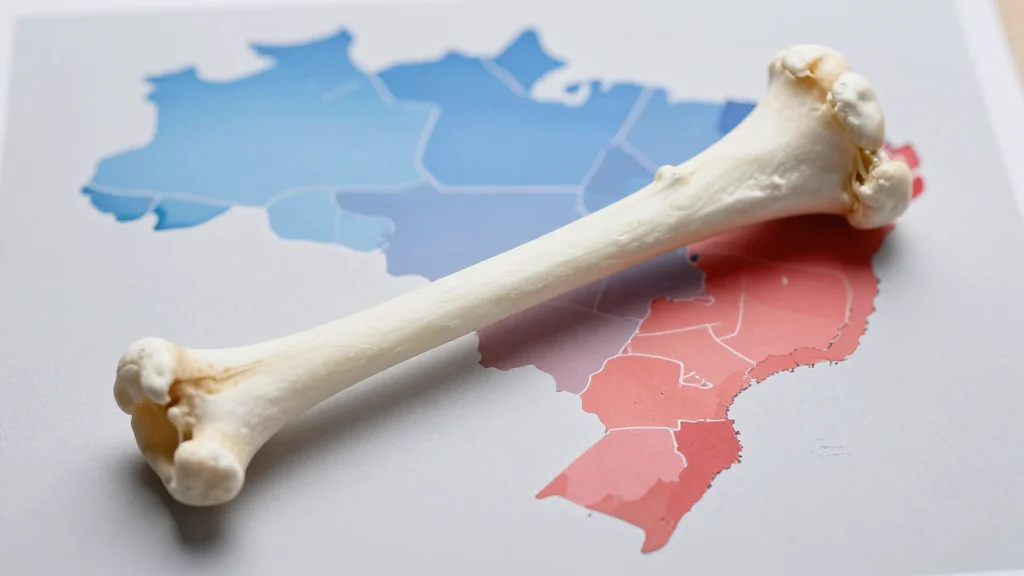
Femoral Fracture Patterns Reveal Southern Brazil Inequalities
Why It Matters
The findings expose how healthcare access and socioeconomic disparity directly shape injury outcomes, urging policymakers to allocate resources where they are most needed. By pinpointing high‑risk zones, health systems can deploy preventive and treatment measures that improve survival and quality of life for older adults.
Key Takeaways
- •Higher healthcare facility density links to lower femoral fracture rates
- •Remote, low‑income areas show delayed treatment and more complications
- •Seasonal peaks align with colder, wetter months increasing fall risk
- •GIS‑based models enable targeted prevention programs in fracture hotspots
- •Findings offer a template for aging societies worldwide to address inequities
Pulse Analysis
The Brazilian investigation underscores a growing global challenge: aging populations are increasingly vulnerable to low‑energy femoral fractures, yet outcomes hinge on where patients live. By overlaying incidence data with healthcare infrastructure maps, researchers demonstrated that proximity to emergency rooms and orthopedic specialists cuts both fracture occurrence and post‑injury complications. This spatial insight moves beyond traditional epidemiology, showing that improving access can be as preventive as strengthening bones.
Seasonal trends add another layer of nuance. The study identified spikes in fracture rates during colder, rainier periods, when icy sidewalks and reduced mobility elevate fall risk. Such temporal patterns enable health authorities to synchronize outreach—like community fall‑prevention workshops and mobile clinic visits—with the months of greatest need. Timing interventions precisely maximizes impact while conserving limited resources, a strategy that can be replicated in any region facing climate‑driven injury cycles.
Beyond Brazil, the methodology offers a scalable model for nations grappling with similar demographic shifts. Integrating GIS, socioeconomic indicators, and longitudinal health records creates a real‑time dashboard for policymakers, allowing them to simulate the effects of infrastructure investments or preventive programs before deployment. As data‑driven health planning gains traction worldwide, this approach illustrates how precise, equity‑focused analytics can transform geriatric care, reduce mortality, and preserve independence for millions of seniors.
Femoral Fracture Patterns Reveal Southern Brazil Inequalities
Comments
Want to join the conversation?
Loading comments...