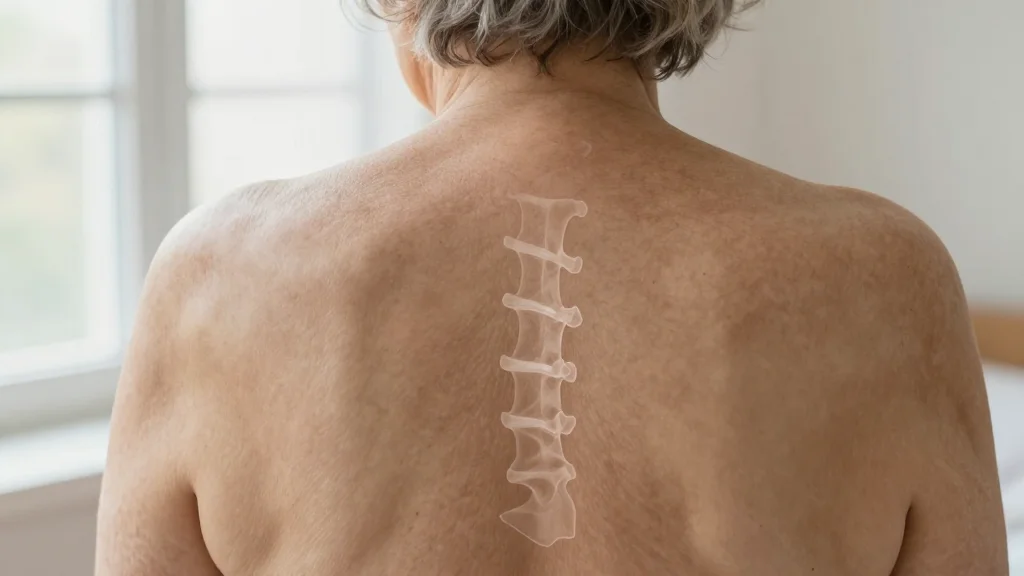
Frailty and Sarcopenia as Independent Predictors of Early Functional Recovery in Older Adults with Osteoporotic Vertebral Compression Fractures: A Retrospective Cohort Study
Why It Matters
Identifying frailty and sarcopenia on admission enables clinicians to stratify risk, tailor rehabilitation, and potentially reduce hospital costs for a growing elderly fracture population.
Key Takeaways
- •Frail OVCF patients scored ~17 points lower on Barthel Index
- •Sarcopenic patients stayed ~3 days longer in hospital
- •Both conditions raised in‑hospital complication rates above 25%
- •Regression showed frailty and sarcopenia independently reduced functional scores
- •Early geriatric screening enables targeted rehab and nutrition plans
Pulse Analysis
Osteoporotic vertebral compression fractures (OVCFs) remain a leading source of disability among seniors, burdening health systems with prolonged stays and costly post‑acute care. While traditional management emphasizes fracture stabilization and pain control, emerging data underscore that patient‑specific physiological reserves—particularly frailty and muscle health—play a decisive role in how quickly patients regain independence. Understanding these systemic factors shifts the focus from purely anatomic repair to a more holistic, risk‑adjusted care model.
Frailty, a syndrome of diminished multisystem resilience, and sarcopenia, the age‑related loss of muscle mass and strength, intersect to impair mobility, balance, and the capacity for early rehabilitation. In the Liu et al. study, frail individuals exhibited a 12‑point drop in Barthel scores, while sarcopenic patients added three extra hospital days on average. These findings echo prior hip‑fracture research, confirming that the same physiological vulnerabilities transcend fracture sites. Mechanistically, chronic inflammation, nutritional deficits, and reduced anabolic signaling exacerbate both conditions, limiting patients’ ability to engage in physiotherapy and increasing susceptibility to infections and delirium.
For providers, the practical takeaway is clear: systematic frailty and sarcopenia screening at admission—using tools like the Clinical Frailty Scale and EWGSOP2 criteria—can flag high‑risk patients early. Tailored interventions—intensive physiotherapy, protein‑rich nutrition plans, and geriatric co‑management—have the potential to shorten stays, lower complication rates, and improve discharge outcomes. Future prospective trials should test bundled care pathways that integrate these assessments, offering a roadmap to more cost‑effective, patient‑centered treatment for the expanding elderly OVCF cohort.
Frailty and sarcopenia as independent predictors of early functional recovery in older adults with osteoporotic vertebral compression fractures: a retrospective cohort study
Comments
Want to join the conversation?
Loading comments...