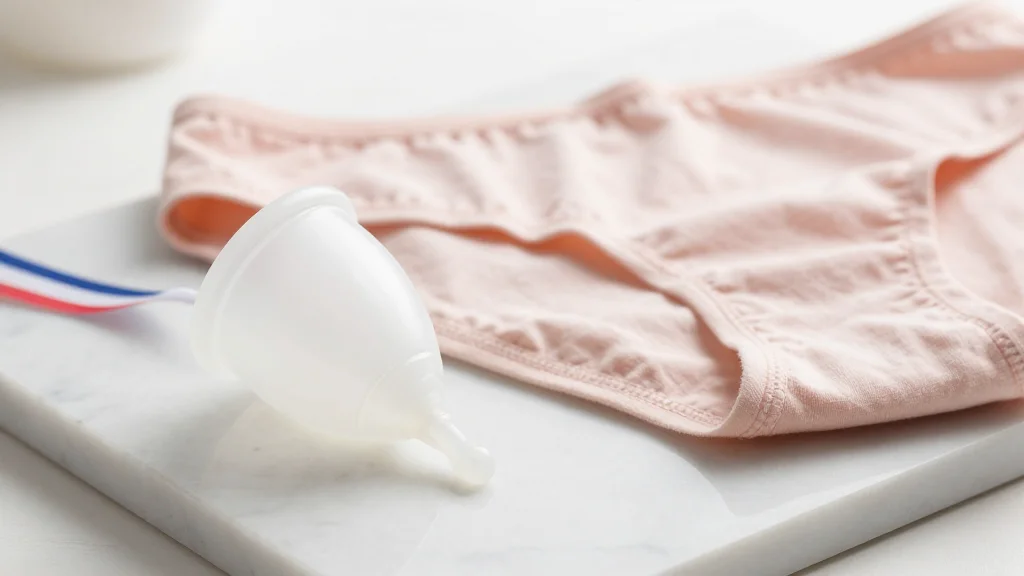
France Makes Reusable Period Products Free for Young Women
Why It Matters
The policy directly reduces out‑of‑pocket costs for young and financially vulnerable women, potentially improving health and educational outcomes. It also signals a broader European shift toward sustainable, gender‑inclusive public health initiatives.
Key Takeaways
- •France will reimburse reusable menstrual cups and underwear for women under 26.
- •Policy targets 6.7 million people, about 10% of population.
- •Reimbursement applies to low‑income women with state health insurance.
- •No implementation decree sparked criticism from feminist groups and manufacturers.
- •France previously cut VAT on period products to 5.5% in 2016.
Pulse Analysis
Period poverty remains a hidden yet pervasive issue across Europe, with estimates suggesting that a significant share of young women resort to improvised solutions when affordable products are unavailable. France’s decision to reimburse reusable menstrual cups and underwear builds on earlier efforts, such as the 2016 VAT reduction on period items, and aligns with a growing policy trend that treats menstrual health as a public health priority rather than a private expense. By targeting women under 26 and those on low‑income assistance, the program addresses both age‑related vulnerability and socioeconomic disparity.
Beyond immediate financial relief, the initiative could generate broader social benefits. Affordable access to sustainable period products is linked to higher school attendance and reduced absenteeism among adolescent girls, which in turn supports better educational outcomes and long‑term earnings potential. Moreover, encouraging reusable items helps lower the environmental footprint of disposable sanitary goods, aligning France’s health policy with its climate commitments. The reimbursement model, processed through pharmacies, also creates a streamlined pathway that integrates menstrual health into existing healthcare infrastructure.
France’s move adds momentum to a continental shift toward gender‑responsive policies. Scotland pioneered free universal access in public venues in 2020, and several EU nations are exploring similar subsidies. While the absence of a concrete implementation decree has sparked criticism, it underscores the need for clear regulatory frameworks to ensure timely delivery. If successfully rolled out, the French model could serve as a blueprint for other countries seeking to combine social equity, sustainability, and public health in a single legislative package.
France makes reusable period products free for young women
Comments
Want to join the conversation?
Loading comments...