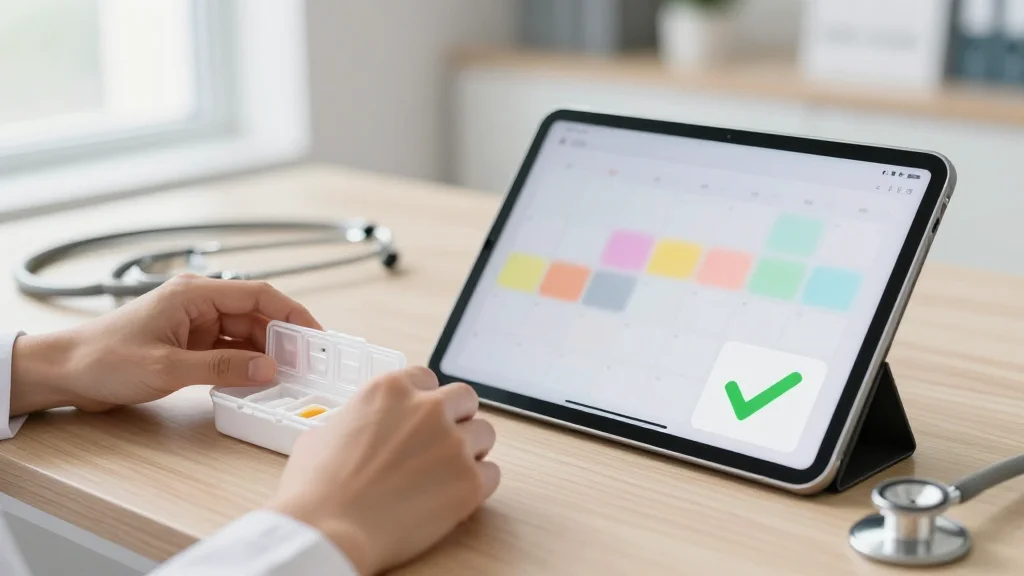
From Afterthought to Advantage: How Health Plans Are Rethinking Post-Acute Care
Why It Matters
Proactive post‑acute management cuts readmissions, lowers costs, and strengthens plan‑member trust, giving insurers a competitive edge in a value‑based landscape.
Key Takeaways
- •Real-time clinical data enables proactive post‑acute interventions.
- •Predictive risk models target members likely to need readmission prevention.
- •Integrated AI platforms streamline workflow and reduce manual data entry.
- •Interoperability across hospitals and post‑acute providers improves care coordination.
- •Collaborative culture aligns plans and providers around shared quality goals.
Pulse Analysis
The transition from a reactive to a proactive post‑acute strategy reflects a broader industry push for real‑time intelligence. By embedding AI‑powered risk scores into the point of care, health plans can flag patients whose clinical trajectories suggest imminent complications. This early warning system transforms care managers from data collectors into decision makers, allowing interventions—such as targeted therapy adjustments or home‑health enrollment—to occur before a readmission becomes inevitable. The result is a measurable dip in costly hospital returns and a clearer path toward value‑based reimbursement.
Operational efficiency is equally critical. Legacy systems often force care teams into fragmented workflows, requiring duplicate entry and delayed alerts. Modern platforms consolidate claims, electronic health records, and device data into a single, actionable dashboard. When clinicians receive concise, context‑rich prompts at the moment of need, they can focus on patient engagement rather than data wrangling. Interoperability standards like FHIR enable seamless information flow between acute hospitals, skilled‑nursing facilities, and home‑care agencies, ensuring that every stakeholder sees the same up‑to‑date picture of a member’s recovery.
Beyond technology, the cultural realignment of health plans as collaborative partners reshapes outcomes. By sharing risk and reward with post‑acute providers, insurers incentivize smoother transitions and higher quality metrics. Members experience fewer gaps in care, leading to higher satisfaction scores and stronger brand loyalty. As payment models evolve toward bundled and episode‑based contracts, the ability to orchestrate end‑to‑end care will become a decisive differentiator for insurers seeking sustainable growth.
From afterthought to advantage: How health plans are rethinking post-acute care
Comments
Want to join the conversation?
Loading comments...