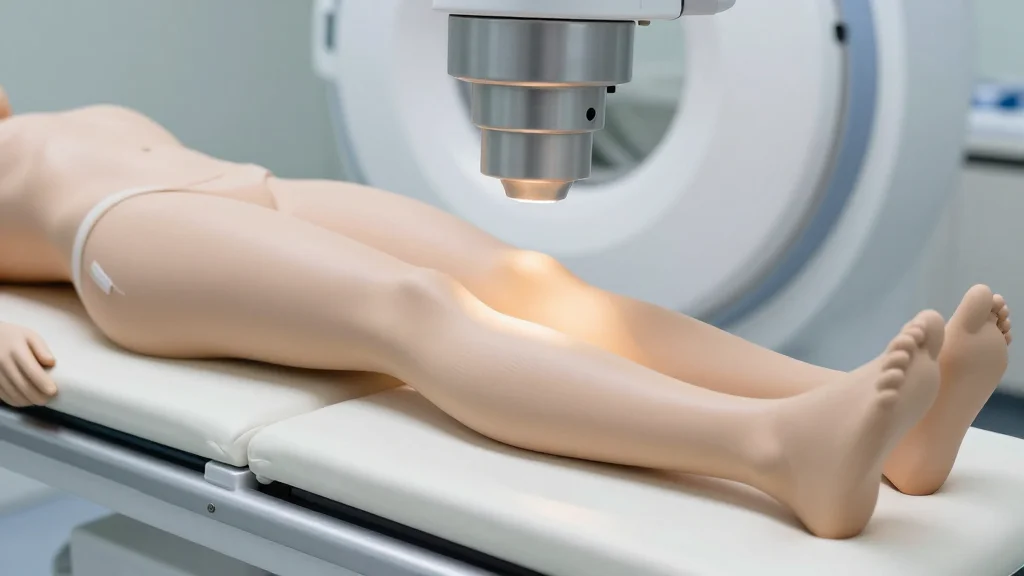
From Fewer Fractions to Smarter Combinations: The State of Radiotherapy in Soft Tissue Sarcoma
Why It Matters
Shorter, high‑precision RT regimens can lower costs and expand access, while immuno‑radiotherapy combos promise improved survival for a rare, heterogeneous cancer. Payers must balance clinical benefits against the steep price of particle therapy and emerging biomarker‑driven strategies.
Key Takeaways
- •Hypofractionated RT cuts treatment time by up to 40%.
- •Proton therapy reduces late toxicities by over 50% in children.
- •Pembrolizumab plus RT yields 24% pathological complete response.
- •Olaparib‑RT combo achieves 77% disease‑control in advanced STS.
- •AI‑driven adaptive RT may personalize dosing and lower costs.
Pulse Analysis
The shift toward hypofractionated radiotherapy reflects a broader trend of value‑based oncology, where fewer visits translate into lower facility fees and reduced patient productivity loss. Studies published in 2025 demonstrate that 45‑50 Gy delivered in 15‑20 fractions matches the local‑control outcomes of traditional 60‑70 Gy schedules, prompting managed‑care organizations to reconsider prior‑authorization criteria. By shortening the treatment window, providers can serve rural and underserved populations more effectively, a critical consideration as STS patients often require multidisciplinary coordination across specialty centers.
Concurrent immunotherapy is emerging as a game‑changer for high‑risk STS subtypes. The pembrolizumab‑RT trial reported a 24% pathological complete response and a two‑year overall survival of 79%, suggesting synergistic immune activation when radiation releases tumor antigens. Similarly, the olaparib‑RT combination achieved a 77% disease‑control rate, highlighting the potential of DNA‑damage response inhibitors to sensitize sarcoma cells. These data are prompting payers to develop nuanced coverage policies that account for biomarker status, sequencing, and the incremental cost of checkpoint inhibitors, which can add several thousand dollars per treatment course.
Advanced modalities such as proton beam therapy and carbon‑ion radiotherapy offer superior dose distribution, reducing late‑grade toxicities by more than half in pediatric sarcoma cohorts. However, the capital expense of particle facilities—often exceeding $200 million—and limited geographic availability raise questions about cost‑effectiveness. Health‑economic models are needed to identify patient subsets that derive the greatest benefit, while AI‑driven adaptive RT platforms promise to refine dosing in real time, potentially lowering overall expenditures. As the field moves toward personalized, technology‑intensive care, stakeholders must balance clinical innovation with sustainable reimbursement frameworks.
From Fewer Fractions to Smarter Combinations: The State of Radiotherapy in Soft Tissue Sarcoma
Comments
Want to join the conversation?
Loading comments...