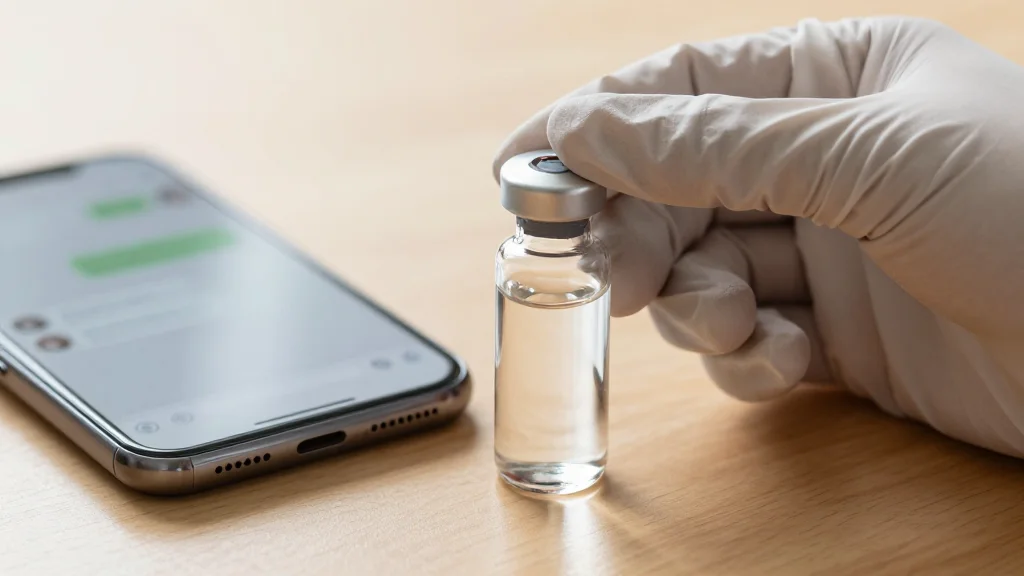
Frontline Experiences in Responding to Health Misinformation: Perspectives of Health Educators in Lagos State, Nigeria
Why It Matters
Misinformation erodes confidence in health interventions, threatening disease control in densely populated regions; equipping educators with proper tools can safeguard public‑health outcomes.
Key Takeaways
- •Educators encounter vaccine and disease myths daily
- •WhatsApp and local networks spread rumors fastest
- •Community resistance stems from distrust of official messages
- •Strategies include dialogue, leader engagement, repeated outreach
- •Training gaps hinder effective misinformation countermeasures
Pulse Analysis
Health misinformation has become a global public‑health crisis, amplified by the rapid diffusion of content on mobile messaging apps and social platforms. While high‑income nations grapple with vaccine hesitancy, low‑ and middle‑income countries like Nigeria face compounded challenges: limited digital literacy, fragmented health communication infrastructure, and deep‑rooted cultural narratives. In Lagos, a megacity of over 20 million residents, misinformation spreads not only through WhatsApp groups but also via trusted community channels, making it harder for official messages to gain traction.
Frontline health educators are the first line of defense in this information battlefield. Their daily interactions reveal that rumors about vaccine safety, supernatural disease causes, and unproven treatments proliferate faster than corrective information. The study highlights three critical obstacles: entrenched distrust of government health agencies, the speed at which rumors travel across informal networks, and a shortage of structured training on how to debunk false claims. Educators compensate by using plain language, holding repeated community meetings, and enlisting religious or local leaders to endorse accurate health guidance, yet these ad‑hoc tactics often fall short of changing entrenched beliefs.
The findings underscore a clear policy imperative: invest in systematic capacity‑building for health educators. Tailored curricula that blend digital media literacy, risk communication, and culturally sensitive messaging can transform educators into credible information hubs. Providing them with standardized toolkits, real‑time rumor‑tracking dashboards, and institutional backing will enhance outreach efficiency and rebuild public trust. As Lagos continues to urbanize, strengthening this frontline workforce will be pivotal for controlling vaccine‑preventable diseases and improving overall health outcomes across Nigeria and similar contexts.
Frontline Experiences in Responding to Health Misinformation: Perspectives of Health Educators in Lagos State, Nigeria
Comments
Want to join the conversation?
Loading comments...