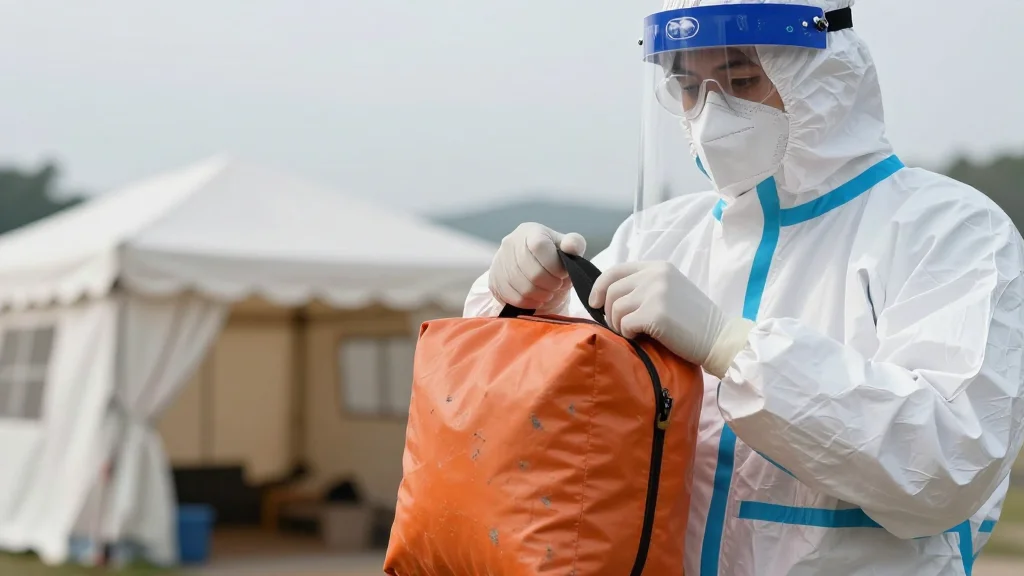
Frontline Health Workers Endure Exhaustion and Low Pay Amid Congo Ebola Surge

Why It Matters
Frontline health workers are the linchpin of any epidemic response. Their exhaustion and inadequate compensation in the DRC jeopardize the containment of Ebola, a disease with a fatality rate that can reach 50 %. If staff burnout leads to staffing shortages, the virus could spread to neighboring countries, reigniting regional health emergencies and threatening global health security. Beyond immediate disease control, the situation highlights systemic inequities in low‑income health systems, where clinicians often work under hazardous conditions for minimal pay. Addressing these disparities is essential not only for the current outbreak but also for building resilient health infrastructures capable of confronting future pandemics.
Key Takeaways
- •Ebola cases in DRC rose to 381 confirmed, 64 deaths (WHO)
- •MSF doctors report PPE shortages and 12‑hour shifts at treatment centers
- •Nigeria recorded 829 Lassa fever cases and a 73 % rise in cholera infections in May 2026
- •Dr Peter Stafford thanked DRC health workers, noting disparity in care access
- •Details on frontline workers' pay and hazard allowances were not disclosed
Pulse Analysis
The DRC’s Ebola response illustrates a classic resource‑allocation dilemma: the virus spreads faster than funding can flow, and the most vulnerable point of the system—its health workers—are left to bear the brunt. Historically, Ebola outbreaks have been curtailed when international partners quickly inject both medical supplies and financial incentives for staff. In West Africa’s 2014‑16 crisis, for example, hazard pay and overtime allowances were introduced after initial delays, stabilising the workforce and accelerating case isolation.
In the current wave, the lack of transparent compensation schemes signals a missed opportunity. Donor agencies and NGOs are already providing equipment and training, but without clear remuneration structures, morale erodes, and attrition rises. This creates a feedback loop: fewer staff means slower case detection, which fuels transmission, prompting even greater demand on the remaining workers. The WHO’s emergency declaration should trigger a coordinated financing package that earmarks funds specifically for frontline salaries and mental‑health support.
Looking forward, the DRC must negotiate a sustainable model that blends short‑term emergency funding with long‑term health‑system strengthening. Embedding salary supplements into national health budgets, leveraging regional pooled procurement for PPE, and establishing a transparent hazard‑pay registry could set a precedent for future outbreaks. If the international community fails to act, the DRC’s Ebola crisis may become a protracted saga, draining resources and undermining confidence in global health governance.
Frontline Health Workers Endure Exhaustion and Low Pay Amid Congo Ebola Surge
Comments
Want to join the conversation?
Loading comments...