GammaTile Improves Metastatic Brain Tumor Outcomes Without Added Toxicity: Jeffrey Weinberg, MD
Why It Matters
GammaTile delivers a clear survival advantage and removes a common treatment‑delay barrier, positioning it to become a new standard for adjuvant therapy in brain metastases.
Key Takeaways
- •GammaTile cut surgical bed recurrence to 1% versus 11.9% with SRT
- •24‑month overall survival rose to 61.7% versus 35.7% using TBRT
- •Grade 3+ adverse events similar between GammaTile and stereotactic radiotherapy
- •Treatment starts intraoperatively, finishing in ~1 day versus 30‑day delay
- •Adoption needs neurosurgeon, radiation oncologist, and physicist coordination
Pulse Analysis
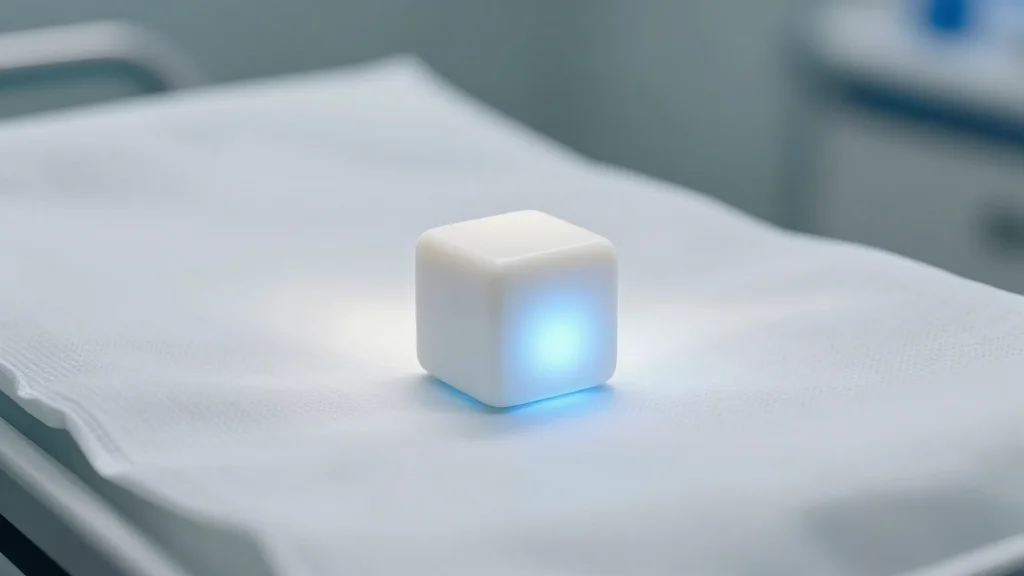
Metastatic brain tumors remain a leading cause of neurological decline among cancer patients, and the prevailing post‑operative approach—stereotactic radiotherapy (SRT)—has long been hampered by logistical delays and a notable drop‑off rate. Intraoperative cesium‑131 brachytherapy, marketed as GammaTile, offers a fundamentally different workflow: surgeons line the resection cavity with collagen tiles that emit radiation immediately, delivering the bulk of the dose within five weeks. This paradigm promises to close the gap between surgery and adjuvant therapy, a critical factor in systemic disease control.
The phase 3 ROADS trial, enrolling 230 patients across 32 U.S. centers, confirmed those theoretical advantages with hard data. Surgical‑bed recurrence fell to 1 % in the GammaTile arm versus 11.9 % with conventional SRT, and median surgical‑bed recurrence‑free survival was not reached compared with 10.9 months for SRT. Most strikingly, 24‑month overall survival climbed to 61.7 % versus 35.7 % (hazard ratio 0.59). Grade 3 or higher toxicities were virtually identical—18.1 % versus 19.3 %—demonstrating that the accelerated schedule does not compromise safety.
For hospitals, the technology lowers a common failure point: roughly one‑fifth of SRT‑assigned patients never receive radiation due to recovery or travel barriers. Implementing GammaTile requires a coordinated team of neurosurgeons, radiation oncologists and physicists, but centers already equipped for brachytherapy can adopt it with minimal friction. The clear survival benefit and comparable toxicity profile are likely to influence upcoming NCCN and ASTRO guidelines, prompting insurers to reassess reimbursement. As more institutions integrate intraoperative brachytherapy, the market for cesium‑131 sources and associated planning software is poised for rapid growth. Early adopters are already reporting streamlined workflows and improved patient satisfaction.
GammaTile Improves Metastatic Brain Tumor Outcomes Without Added Toxicity: Jeffrey Weinberg, MD
Comments
Want to join the conversation?
Loading comments...