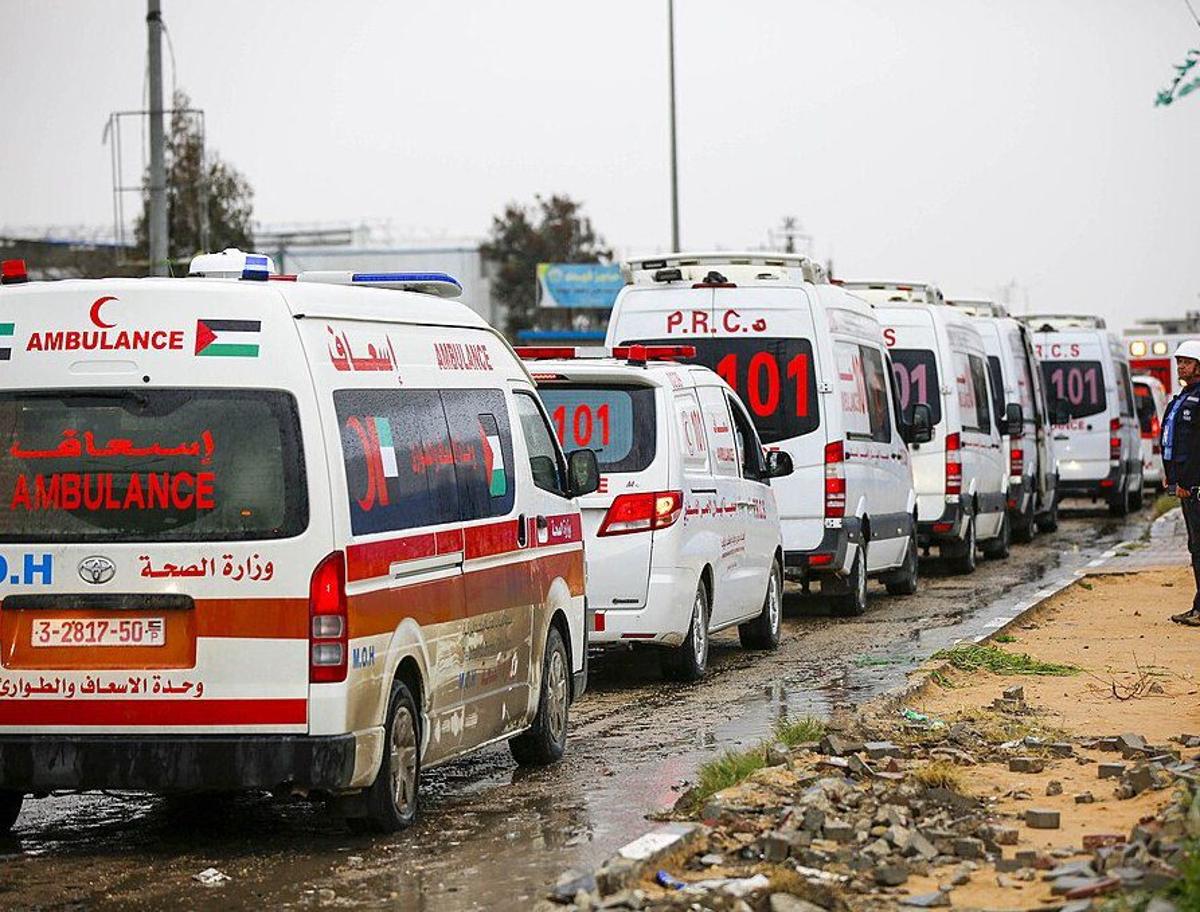
Gaza’s Medical Evacuation Crisis Is Leaving Thousands Without Care
Key Takeaways
- •18,500 critical patients, including 4,000 children, await evacuation
- •Only 7,802 evacuees left Gaza from Oct 2023‑Sep 2025
- •April 2026 saw just 85 patients evacuated in two weeks
- •Germany has denied most child evacuation visas despite advanced healthcare capacity
Pulse Analysis
The collapse of Gaza’s medical infrastructure has turned evacuation into a lifeline for the most severely ill, yet the process is hampered by stringent border controls and politicized visa regimes. WHO data show a stark drop in patient transfers after the Rafah crossing reopened briefly, underscoring how fragile humanitarian corridors are to regional security dynamics. As the conflict drags on, the backlog of critical cases—ranging from cancer treatment to complex trauma surgery—continues to swell, creating a ticking‑time‑bomb for public health in the enclave.
Legal and ethical pressures are mounting on Israel, which retains effective control over Gaza’s external borders. Human‑rights organizations such as Gisha and Adalah have filed petitions with Israel’s Supreme Court, arguing that the denial of evacuation violates international humanitarian law. Meanwhile, the international community grapples with its own hesitations; European nations like Germany and Italy have accepted only a handful of referrals, citing political constraints despite possessing world‑class medical facilities. This disconnect between capacity and willingness fuels criticism of global humanitarian response mechanisms.
For donors and policymakers, the urgency lies in establishing a coordinated, fast‑track evacuation framework that bypasses bureaucratic bottlenecks. Proposals include a neutral, UN‑managed medical corridor and pre‑approved visa pathways for patients and caregivers. Such measures would not only reduce the current death toll—over 1,000 reported deaths while awaiting evacuation—but also restore a semblance of health system functionality in Gaza, mitigating long‑term societal damage. The stakes are high: without decisive action, the health crisis will deepen, further destabilizing an already volatile region.
Gaza’s Medical Evacuation Crisis Is Leaving Thousands Without Care
Comments
Want to join the conversation?