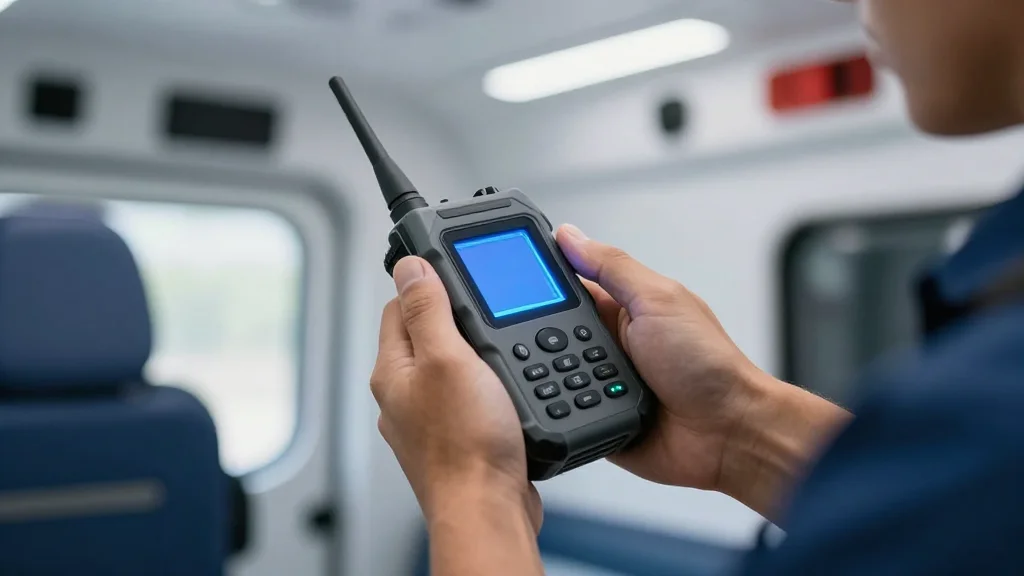
General Devices’ User Spotlight: Inside OB Alert Success at Mercy Medical Center: Faster Response, Better Patient Care
Why It Matters
Standardized, digital EMS communication reduces response times and improves patient outcomes, while enabling data‑driven quality improvement across a multi‑hospital network.
Key Takeaways
- •e‑Bridge processes ~30 alerts daily, covering 40 ambulances per month
- •Radio reliance dropped, boosting reliability and speed of EMS notifications
- •Neighboring hospitals adopted the same platform, ensuring regional data consistency
- •Trinity Health plans to add three Connecticut hospitals, expanding network reach
Pulse Analysis
Emergency medical services have long depended on analog radio systems that are prone to interference, limited bandwidth, and fragmented record‑keeping. General Devices’ GD Solution Suite—anchored by the e‑Bridge and CAREPoint platforms—offers a cloud‑based, HIPAA‑compliant alternative that transmits text, vitals, and high‑resolution images directly to hospital emergency departments. By converting a voice‑only workflow into a searchable digital stream, the technology enables real‑time clinical decision‑making and creates a permanent audit trail for quality‑improvement programs. Across the United States, hospitals are increasingly adopting such platforms to close the communication gap between pre‑hospital crews and in‑hospital teams.
At Mercy Medical Center, EMS Coordinator Renee Rochette has overseen the rollout of the GD suite, moving the facility from unreliable radio chatter to a streamlined e‑Bridge workflow. The center now receives roughly 30 e‑Bridge alerts each day, each containing concise patient data and, when needed, photographs of conditions such as STEMI. This immediacy shortens the handoff time, allowing emergency physicians to prepare resources before the ambulance arrives. The adoption was reinforced by neighboring Baystate Medical Center, creating a regional standard that facilitates inter‑facility transfers and consistent data collection across the Trinity Health network.
The success at Mercy illustrates a broader shift toward integrated, data‑centric EMS ecosystems. As Trinity Health expands the platform to three Connecticut hospitals, the network effect will amplify benefits: aggregated data can inform regional performance benchmarks, predictive analytics, and coordinated disaster response. Vendors like General Devices are positioned to capture market share as payers and regulators push for measurable outcomes and reduced transport times. For health systems, the investment translates into faster patient triage, lower readmission risk, and stronger compliance reporting—key drivers in today’s value‑based care environment.
General Devices’ User Spotlight: Inside OB Alert Success at Mercy Medical Center: Faster Response, Better Patient Care
Comments
Want to join the conversation?
Loading comments...