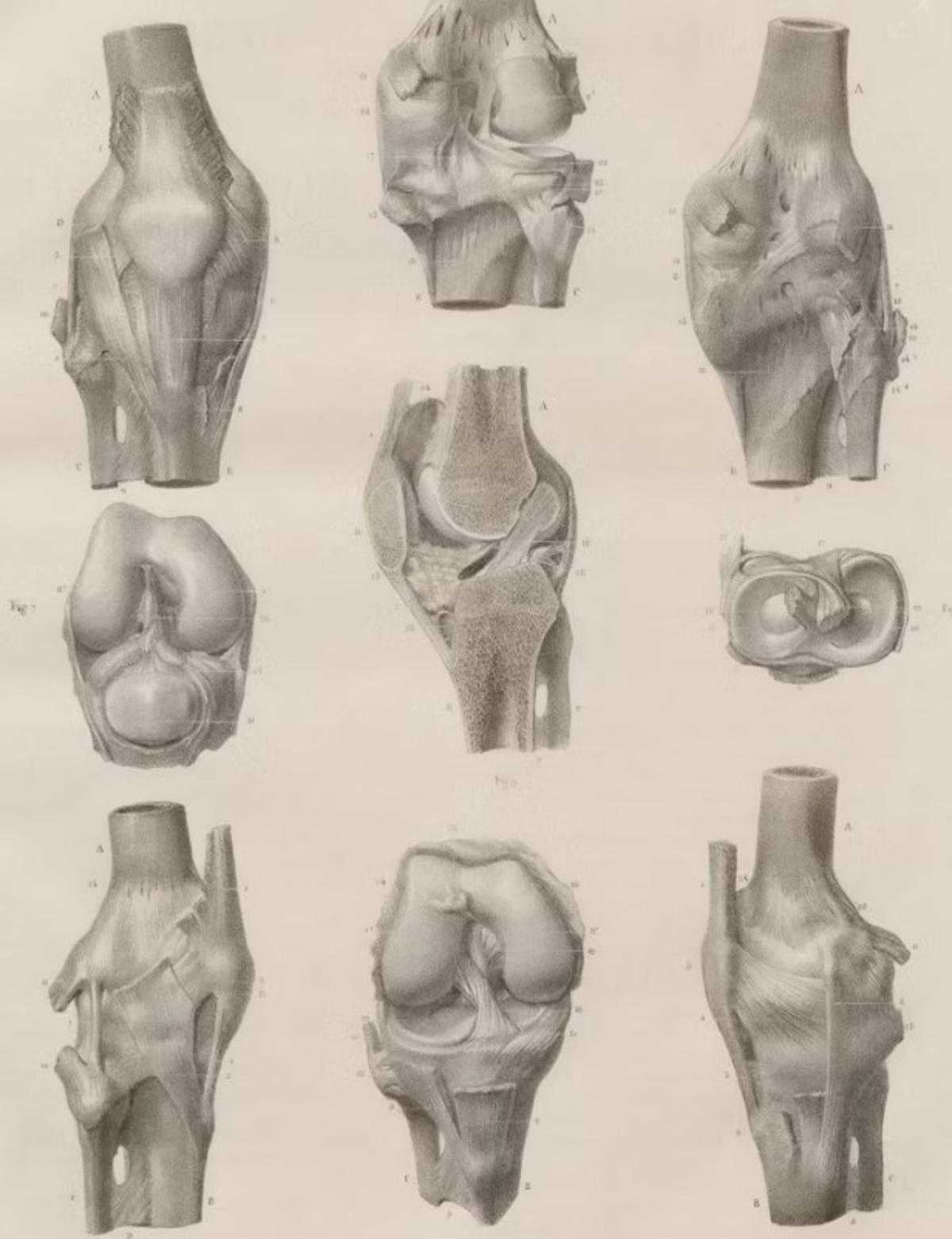
Genicular Artery Embolization Gains Traction as a Minimally Invasive Solution for Osteoarthritis Knee Pain
Why It Matters
GAE provides a non‑surgical option that can delay or replace costly joint replacement, reducing patient risk and healthcare expenditures while addressing an underserved patient segment.
Key Takeaways
- •GAE reduces knee pain by embolizing inflamed genicular arteries
- •Procedure completed in under 90 minutes, outpatient with local anesthesia
- •Clinical studies show pain relief lasting 12‑24 months for many patients
- •Low complication rates make GAE attractive alternative to knee replacement
Pulse Analysis
Genicular artery embolization (GAE) is emerging as a minimally invasive answer to the growing burden of knee osteoarthritis, a condition affecting roughly 30 million Americans. Traditional pathways—physical therapy, medications, injections, and ultimately total knee replacement—leave a sizable cohort in a treatment gap: patients whose pain persists but who are not surgical candidates or wish to postpone arthroplasty. By targeting the hypervascular synovial membrane with image‑guided microspheres, GAE directly attenuates inflammation, offering rapid symptom relief without the trauma of open surgery.
Recent prospective trials and real‑world registries have documented significant reductions in Visual Analog Scale pain scores within weeks of the procedure, with functional improvements sustained for 12 to 24 months in the majority of participants. Complication rates are markedly lower than those associated with joint replacement, and the outpatient nature of GAE—typically under 90 minutes under local anesthesia—translates to faster recovery and lower overall healthcare costs. These outcomes have spurred adoption among interventional radiologists, vascular surgeons, and orthopedic specialists seeking to expand their therapeutic armamentarium.
Looking ahead, broader insurance coverage and standardized patient‑selection criteria could accelerate GAE’s integration into the osteoarthritis care algorithm, positioning it as a bridge between conservative management and definitive surgery. Advances in high‑resolution vascular imaging and embolic materials are likely to refine efficacy and expand indications to other weight‑bearing joints. As the population ages and demand for joint‑preserving solutions rises, the market potential for GAE‑related services and devices is poised for double‑digit growth, reshaping the landscape of musculoskeletal medicine.
Genicular Artery Embolization Gains Traction as a Minimally Invasive Solution for Osteoarthritis Knee Pain
Comments
Want to join the conversation?
Loading comments...