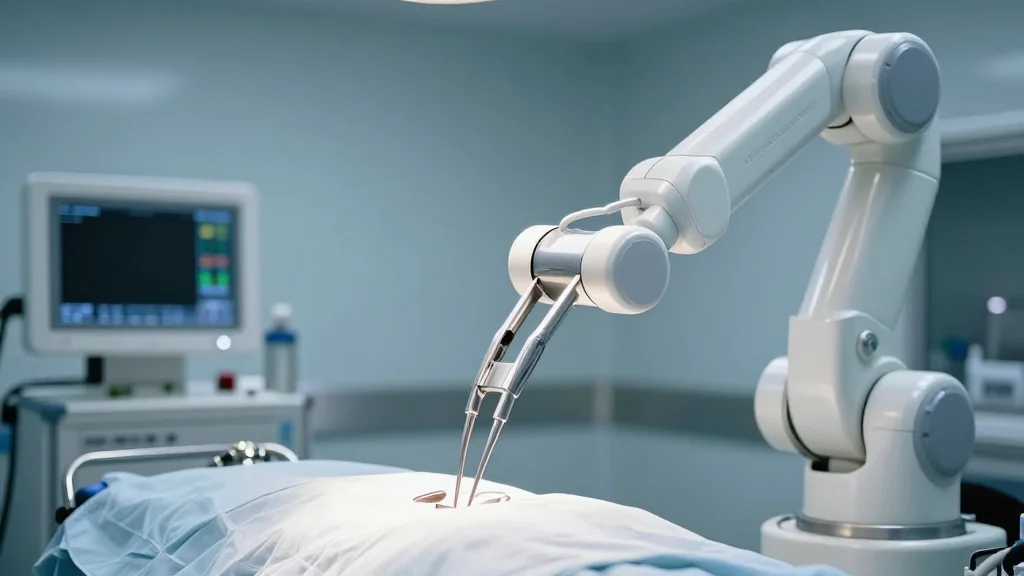
Georgia Woman Sues over Da Vinci Robot Hysterectomy Complications, Sparking Safety Debate

Companies Mentioned
Why It Matters
The Button lawsuit underscores a growing tension between the rapid adoption of robotic surgery and the existing legal and regulatory frameworks that were designed for traditional procedures. As hospitals invest billions in da Vinci systems, patients and insurers are demanding clearer accountability when complications arise. The absence of malpractice insurance for Dr. Love highlights a systemic gap that could leave patients without adequate recourse, prompting calls for mandatory coverage for surgeons using high‑risk devices. Beyond individual liability, the case could influence FDA post‑market surveillance policies. If courts begin to scrutinize the safety data cited by manufacturers, regulators may be compelled to require more rigorous real‑world evidence, potentially slowing the rollout of next‑generation robotic platforms but improving overall patient safety.
Key Takeaways
- •Star Button sues Southern Regional Medical Center and Dr. Beverly Love over a Da Vinci robot‑assisted hysterectomy.
- •Button alleges unintended ovary removal, massive blood loss, infections and three months of hospitalization.
- •Georgia medical board found no malpractice insurance on file for Dr. Love, limiting potential compensation.
- •Intuitive Surgical cites over 20 million global procedures and 48,000 peer‑reviewed studies supporting da Vinci safety.
- •The case may prompt new regulations on surgeon insurance and informed‑consent requirements for robotic surgery.
Pulse Analysis
Robotic surgery has been marketed as a precision tool that reduces human error, yet the Button case reveals a different risk profile: technology failure combined with operator expertise gaps. Historically, the diffusion of new surgical devices has outpaced the development of robust oversight mechanisms, as seen with early laparoscopic tools in the 1990s. The current wave of robotic platforms is no exception; hospitals are eager to advertise cutting‑edge capabilities, while insurers remain wary of the unknown long‑term liability.
If Button’s suit leads to a settlement or a court ruling that emphasizes surgeon insurance, hospitals may face higher overhead costs, potentially slowing the adoption curve for robotic systems. Conversely, manufacturers like Intuitive Surgical could be pressured to enhance real‑world data collection, perhaps integrating mandatory reporting of adverse events directly into the robot’s software. Such a feedback loop could improve safety but also increase regulatory burdens.
In the broader market, investors are watching how litigation risk translates into valuation pressure for companies tied to surgical robotics. A wave of lawsuits could erode confidence, prompting a shift toward alternative minimally invasive technologies that carry fewer legal uncertainties. For patients, the case serves as a reminder that high‑tech does not guarantee safety, and that informed consent must evolve to cover device‑specific risks and the financial protections—or lack thereof—available to them.
Georgia woman sues over Da Vinci robot hysterectomy complications, sparking safety debate
Comments
Want to join the conversation?
Loading comments...