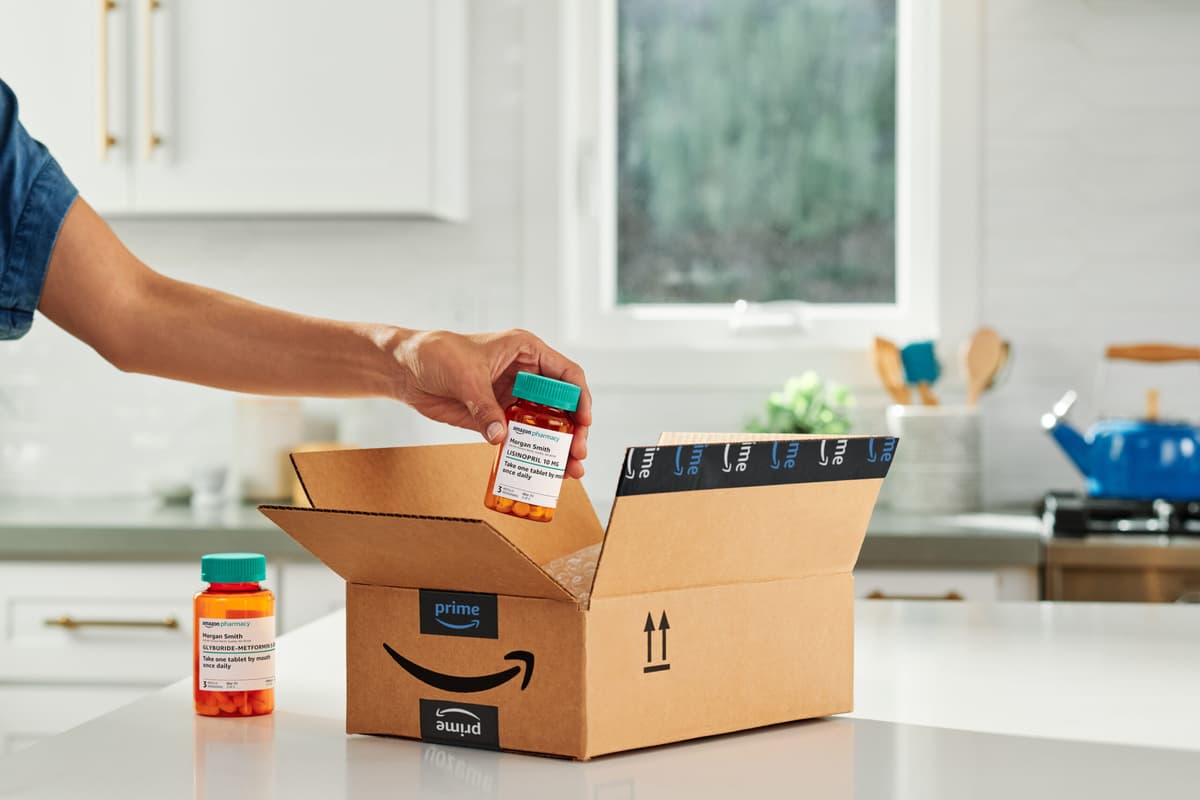
GLP-1: Amazon Pharmacy Adds Zepbound KwikPen to Its Same-Day Delivery for $299
•March 9, 2026
0
Why It Matters
The move challenges the entrenched PBM‑insurance model, potentially lowering out‑of‑pocket costs for millions seeking GLP‑1 therapies. It also showcases Amazon’s ability to leverage its supply chain and digital health ecosystem to reshape pharmaceutical distribution.
Key Takeaways
- •Amazon adds Zepbound KwikPen to pharmacy catalog.
- •Multi-dose pen reduces waste, simplifies monthly dosing.
- •Transparent $299 cash price bypasses PBMs and insurance.
- •Same‑day delivery reaches ~3,000 cities, expanding to 4,500.
- •Integrated with Amazon One Medical for clinical support.
Pulse Analysis
The GLP‑1 class has become a cornerstone of modern obesity treatment, yet its rapid adoption has exposed supply‑chain constraints, especially around single‑use glass auto‑injectors. Eli Lilly’s KwikPen format consolidates a month’s supply into one device, streamlining manufacturing and reducing medical waste. This hardware innovation aligns with Amazon’s scale‑focused logistics, allowing the retailer to stock a more efficient product and meet rising demand without the bottlenecks that have plagued traditional distributors.
Amazon’s pricing strategy directly confronts the opaque cost structures imposed by pharmacy benefit managers. By presenting a flat $299 cash‑pay price and automatically applying manufacturer coupons, the platform eliminates the need for insurance adjudication and often saves patients hundreds of dollars. The company reports over $200 million in coupon‑driven savings, positioning GLP‑1s as its largest discount category. This transparent model not only appeals to cost‑conscious consumers but also pressures insurers and PBMs to reconsider rebate‑heavy pricing tactics.
Beyond a single product launch, Amazon’s integration of Zepbound with its One Medical network signals a broader ambition to own the end‑to‑end patient journey. From virtual clinical evaluation to same‑day home delivery, the ecosystem reduces friction and could set a new standard for digital pharmacy services. As the retailer expands delivery to 4,500 locations by the end of 2026, pharmaceutical manufacturers may increasingly partner with tech giants to secure distribution, reshaping how drugs reach patients in the United States.
GLP-1: Amazon Pharmacy Adds Zepbound KwikPen to Its Same-Day Delivery for $299
0
Comments
Want to join the conversation?
Loading comments...