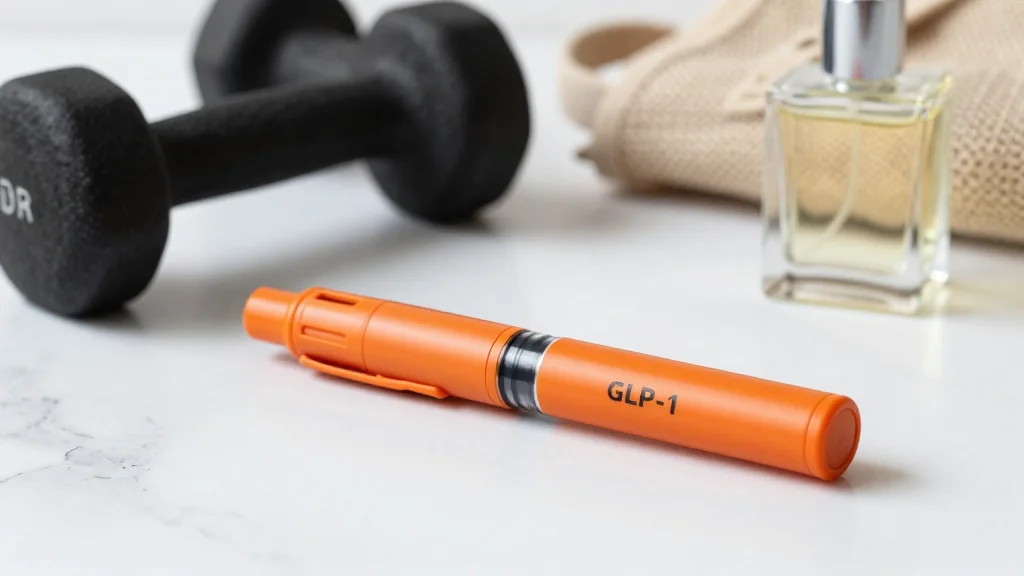
GLP‑1 Drugs Fuel $1 B+ Industry Surge and Spark Patient‑cost Worries

Companies Mentioned


Why It Matters
The GLP‑1 boom is redefining revenue streams for sectors far beyond pharmaceuticals, creating new growth opportunities for fitness chains, beauty brands and food retailers. At the same time, the steep ancillary costs—often exceeding $1,000 per month—raise affordability questions for patients and insurers, potentially widening health‑care disparities. The emerging evidence of relationship strain and sexual side‑effects adds a psychosocial layer that clinicians must address, while genetic insights hint at a future where treatment can be tailored to individual biology, improving outcomes and cost‑effectiveness. If unchecked, the financial pressures on patients could dampen adherence, undermining the drugs’ clinical benefits. Conversely, better integration of counseling, insurance coverage for supportive services (trainers, nutritionists) and personalized prescribing could sustain the therapeutic momentum while mitigating socioeconomic fallout.
Key Takeaways
- •GLP‑1 users spend $700‑$1,000 monthly on drug and ancillary costs, per Business Insider.
- •Gym memberships and personal‑training services see record growth; Equinox, Planet Fitness and Life Time report surging demand.
- •Ultra Beauty and Albertsons note sales spikes in anti‑hair‑loss products and protein‑rich foods among GLP‑1 patients.
- •Professor Per‑Arne Svensson warns rapid weight loss from GLP‑1s may double divorce risk, echoing Reddit anecdotes.
- •Nature study of 27,885 patients links GLP‑1 receptor variant rs10305420 to modest extra weight loss and GIPR variant rs1800437 to 83% higher vomiting risk.
Pulse Analysis
The GLP‑1 phenomenon illustrates a classic case of a medical breakthrough spilling over into the consumer economy. Historically, blockbuster drugs like statins generated ancillary markets—cholesterol‑testing kits, diet programs, and lifestyle coaching. GLP‑1s are accelerating that pattern at a faster pace because they produce visible, rapid physical changes that demand a suite of supportive services. The $1 billion‑plus lift in fitness and beauty sectors is not merely a side effect; it is becoming a strategic revenue pillar for companies that can position themselves as part of the weight‑loss journey.
However, the surge also exposes a structural weakness: the current insurance model does not cover many of these ancillary expenses, shifting the burden to patients. When out‑of‑pocket costs approach $1,000 a month, adherence risk rises, especially among lower‑income groups. This could create a two‑tiered outcome where affluent patients reap the full health benefits while others discontinue early, potentially widening obesity‑related health gaps.
The social dimension—relationship strain and sexual dysfunction—adds urgency for a more holistic care model. Clinicians will need to incorporate counseling and partner education into treatment protocols, a shift that could drive new reimbursement codes and multidisciplinary clinics. Meanwhile, the modest genetic effects uncovered in the Nature study suggest that precision prescribing may eventually temper both efficacy gaps and side‑effect profiles, but the impact will be incremental compared with lifestyle and dosage factors. In sum, the GLP‑1 wave is reshaping the health‑care value chain, demanding coordinated responses from insurers, providers, and ancillary businesses to sustain its promise without exacerbating cost and social burdens.
GLP‑1 drugs fuel $1 B+ industry surge and spark patient‑cost worries
Comments
Want to join the conversation?
Loading comments...