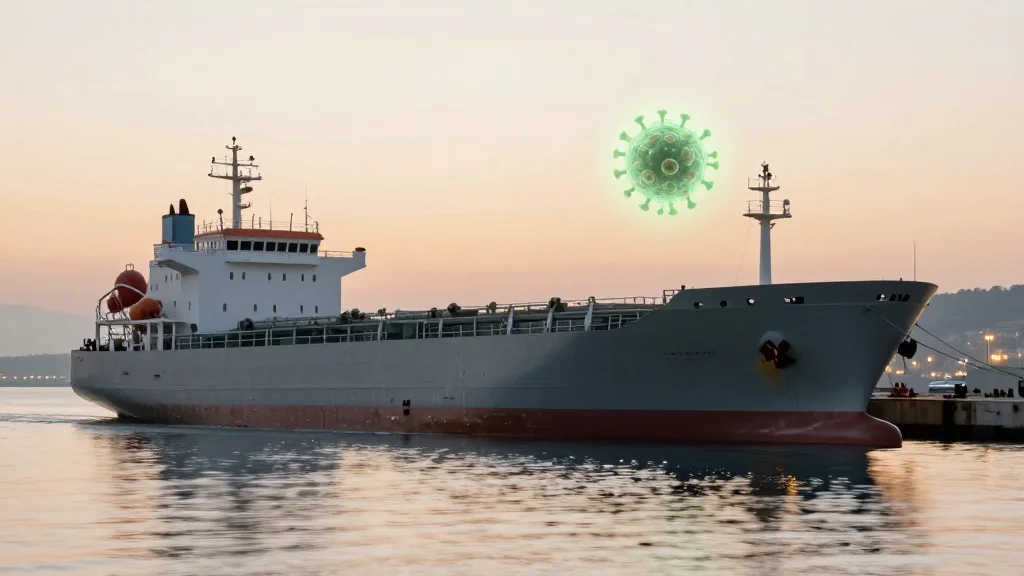
Hantavirus Outbreak on Cruise Ship Prompts International Evacuation From Tenerife

Why It Matters
The MV Hondius incident highlights how quickly a rare zoonotic disease can become a transnational health emergency, testing the readiness of global coordination mechanisms that were forged during the COVID‑19 pandemic. By mobilizing WHO, EU health agencies, national health services and military logistics within hours, authorities demonstrated the value of pre‑existing protocols for rapid testing, isolation and repatriation. Beyond the immediate response, the event raises questions about cruise‑ship sanitation standards, especially on itineraries that include high‑risk regions. The Andes hantavirus, with a mortality rate that can exceed 30 percent in the Americas, underscores the need for better rodent control on ports of call and more stringent health screenings before embarkation. The outcome will likely influence future regulatory frameworks for the cruise industry and shape public perception of travel safety in the post‑pandemic era.
Key Takeaways
- •MV Hondius arrived in Tenerife on May 10 with 147 passengers amid an Andes‑strain hantavirus outbreak.
- •Three deaths and eight total infections (five suspected) have been confirmed, yielding a ~38% case‑fatality ratio.
- •WHO, Spain, the EU and 12+ countries are coordinating testing, quarantine and repatriation flights for all passengers.
- •Spanish health minister ordered FFP2 masks, PCR testing and isolation; the ship will sail to Rotterdam for disinfection.
- •Local opposition in Tenerife and protests by port workers reflect community concerns despite WHO’s low‑risk assessment.
Pulse Analysis
The rapid, multi‑agency response to the MV Hondius outbreak is a textbook case of pandemic‑era preparedness paying off. Within hours of the ship’s arrival, the WHO’s director‑general was publicly reassuring residents, while national health agencies deployed medevac aircraft and military logistics to move passengers safely. This level of coordination would have been impossible a decade ago, when jurisdictional silos often delayed cross‑border health actions. The incident also serves as a stress test for the European Union’s Emergency Response Coordination Centre, which has successfully arranged a Medevac plane for any symptomatic passenger, demonstrating that the EU’s health security architecture is now operational.
However, the episode exposes lingering vulnerabilities. The source of the outbreak—a likely rodent‑contaminated shore excursion in Argentina—points to gaps in environmental health oversight on cruise itineraries. The fact that the ship continued to operate after the first cluster of severe respiratory illnesses was reported on May 2 suggests that early detection mechanisms on board were insufficient. Regulators may now push for mandatory rodent‑control certifications for ports and stricter pre‑embarkation health questionnaires, especially for voyages that include high‑risk regions.
From a market perspective, the incident could pressure cruise operators to invest heavily in onboard medical capabilities and to secure insurance policies that cover rare zoonotic diseases. Investors will be watching how Oceanwide Expeditions, the ship’s operator, manages the disinfection and reputational fallout. Meanwhile, the public’s confidence in cruise travel may take a short‑term hit, prompting a shift toward more controlled, smaller‑scale tourism experiences. In the broader healthcare landscape, the event reinforces the importance of maintaining robust surveillance networks for emerging pathogens, even those historically confined to remote areas, as global mobility continues to shrink the distance between outbreaks and densely populated hubs.
Hantavirus Outbreak on Cruise Ship Prompts International Evacuation from Tenerife
Comments
Want to join the conversation?
Loading comments...