Hantavirus Response Shows How Trump Cuts Have Compromised U.S. Preparedness
Why It Matters
The episode exposes how reduced staffing and funding have weakened the nation’s ability to act swiftly during health emergencies, raising the risk of larger outbreaks. It underscores the urgent need to restore resources to public‑health infrastructure before the next crisis hits.
Key Takeaways
- •Trump-era cuts reduced CDC staff by 30% since 2020
- •Hantavirus response team formed a month after first death
- •CDC issued first public statement four hours after media alert
- •Limited interagency communication fuels doubts about pandemic preparedness
- •Infectious disease research funding fell below $1.2 billion
Pulse Analysis
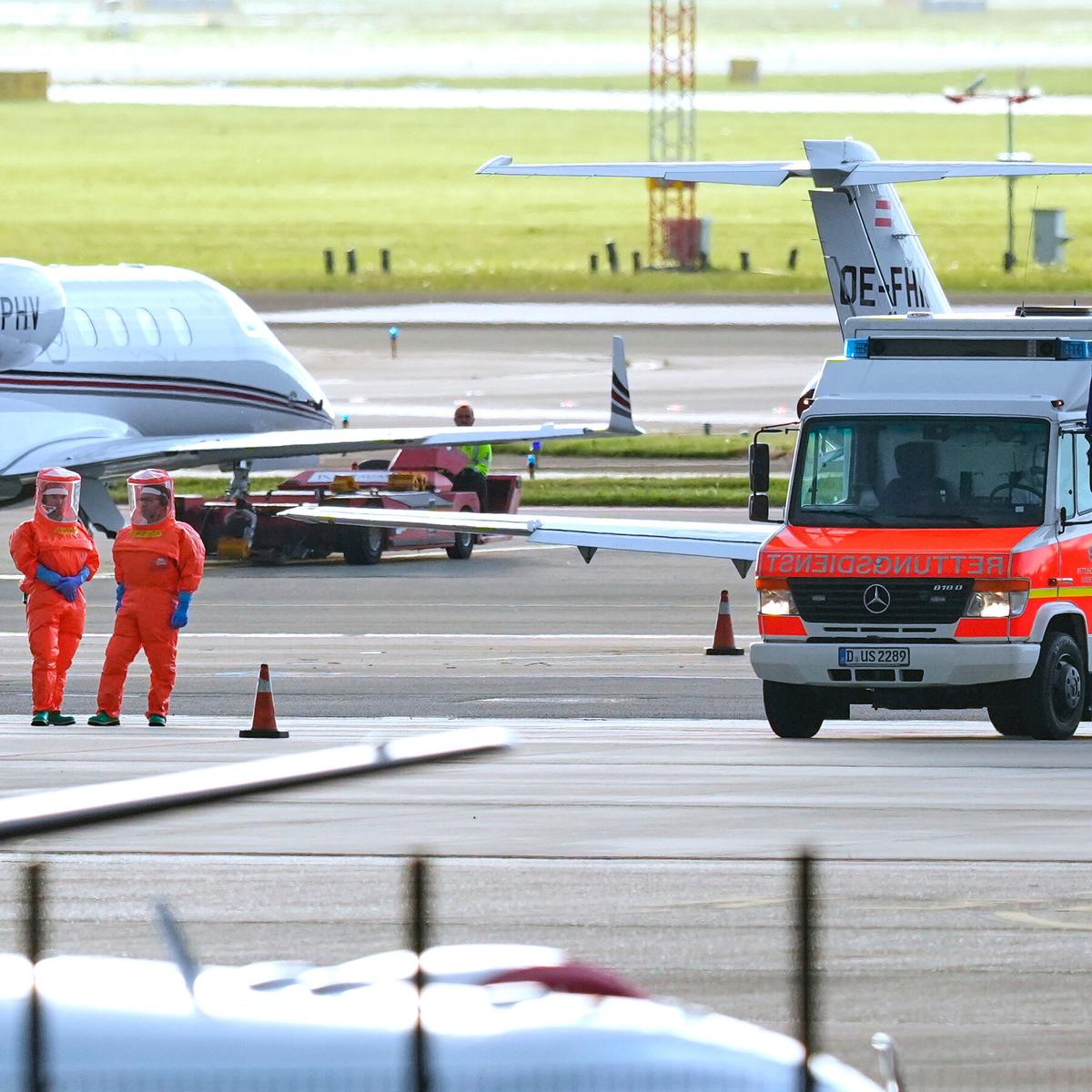
The recent hantavirus incident on a trans‑Atlantic cruise illustrates how even low‑transmission pathogens can test the limits of a stretched public‑health system. After a passenger died, the outbreak remained under the radar until a media outlet reported the repatriation of American travelers. The CDC’s first public comment arrived only after the story broke, and the agency’s dedicated response team was assembled nearly a month after the initial fatality. This lag in detection and communication is atypical for a disease that, while rare, can cause severe respiratory illness and carries a mortality rate of up to 40 percent in severe cases.
Underlying the delayed response are fiscal decisions made during the Trump administration that trimmed the federal budget for infectious‑disease research and cut CDC personnel by roughly a third. Annual appropriations for emerging‑pathogen programs fell below $1.2 billion, a level insufficient to sustain a robust network of field epidemiologists, laboratory scientists, and rapid‑deployment teams. The staffing shortfall has forced remaining employees to prioritize high‑visibility threats, leaving less‑common diseases like hantavirus with limited surveillance capacity. This resource erosion erodes the United States’ ability to conduct timely contact tracing, laboratory testing, and risk communication—core functions that proved critical during the COVID‑19 pandemic.
The broader implication is clear: without a swift, well‑funded public‑health apparatus, the country remains vulnerable to both exotic and familiar pathogens. Policymakers must consider restoring and expanding the CDC’s workforce, modernizing data‑sharing platforms, and securing stable funding streams for research on zoonotic diseases. Strengthening interagency coordination, especially between the CDC, State Department, and international partners, will also improve transparency and speed of response. As global travel rebounds, investing in preparedness is not just a health priority but an economic safeguard against the costly disruptions of future pandemics.
Hantavirus Response Shows How Trump Cuts Have Compromised U.S. Preparedness
Comments
Want to join the conversation?
Loading comments...