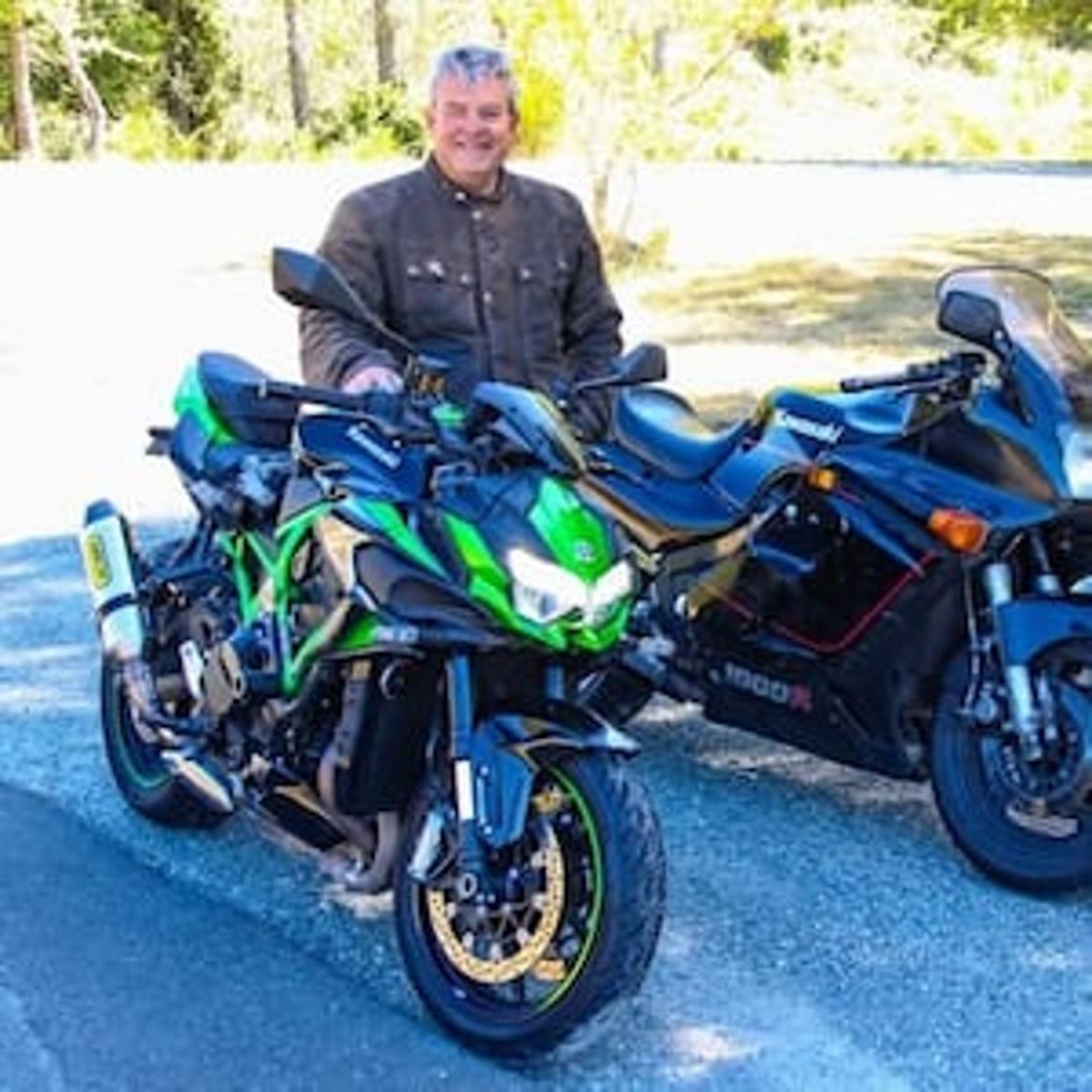
Hawke’s Bay First Prostate LDR Brachytherapy Patient Back on Motorbike Within Weeks
Why It Matters
The successful, swift recovery demonstrates LDR brachytherapy’s potential to improve patient outcomes and reduce travel burdens, prompting calls to integrate it into New Zealand’s publicly funded cancer care.
Key Takeaways
- •First Hawke’s Bay LDR brachytherapy performed Feb 2026
- •Patient returned to motorbike within weeks, showing rapid recovery
- •Procedure cost ~US$12,000 out‑of‑pocket, private‑only
- •Treatment previously limited to Christchurch and Tauranga
- •Experts urge public funding review to broaden access
Pulse Analysis
Low‑dose‑rate (LDR) brachytherapy has emerged as a compelling alternative to conventional prostate cancer treatments, delivering radioactive seeds directly into the gland and minimizing exposure to surrounding tissue. In New Zealand, where over 4,000 men are diagnosed annually and five‑year survival sits at 92 %, the technique offers a blend of efficacy and convenience that aligns with global best practices. Its minimally invasive nature reduces hospital stays and accelerates return to normal activities, making it especially attractive for older patients or those seeking to limit time off work.
The case of 64‑year‑old Nick Mardle illustrates these advantages in real‑world terms. After a routine PSA test flagged a rise, a biopsy confirmed cancer, leading Mardle to opt for LDR brachytherapy at Royston Hospital. The three‑hour procedure was completed in an afternoon, and he was discharged the next day. Within two weeks he was back on his motorbike, a testament to the rapid functional recovery the method can provide. However, the treatment’s cost—about US$12,000 out‑of‑pocket after private insurance—highlights the financial barrier for many New Zealanders, as it remains a privately funded service.
Health NZ executives acknowledge the clinical benefits but caution that a sustainability review is needed before public funding can be justified. If incorporated into the public system, LDR brachytherapy could reduce regional travel for radiology, lower overall treatment costs, and expand access to a therapy currently confined to a few urban centers. Policymakers are therefore weighing clinical outcomes against budgetary constraints, with the potential to reshape prostate‑cancer pathways across the country.
Hawke’s Bay first prostate LDR brachytherapy patient back on motorbike within weeks
Comments
Want to join the conversation?
Loading comments...