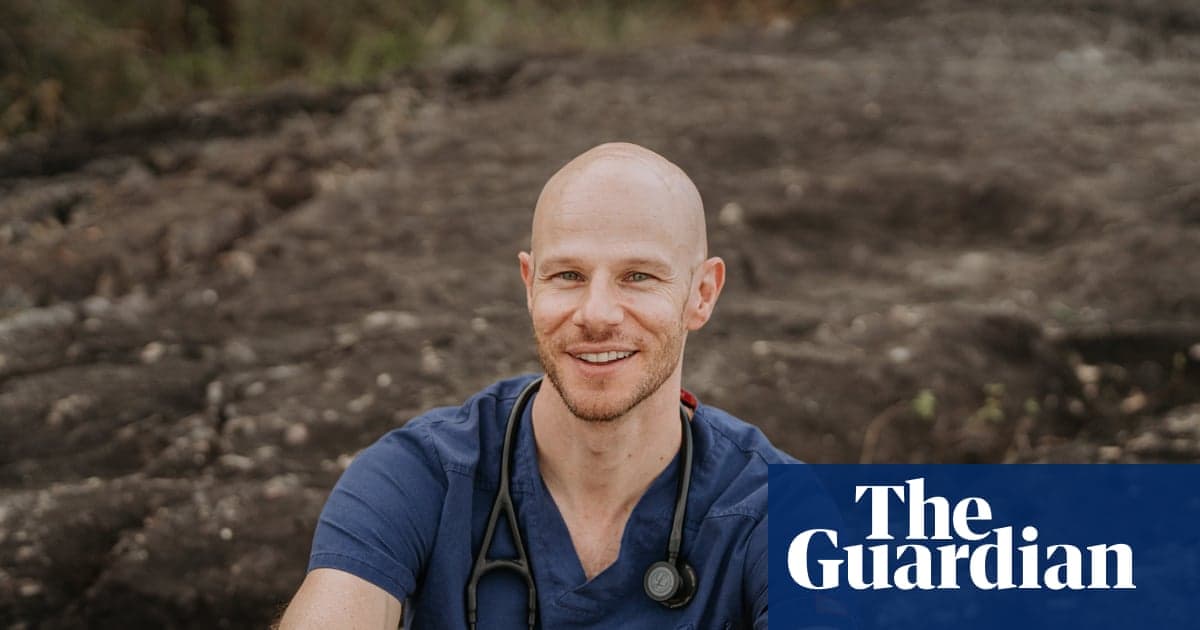
‘He Needed Intensive Care and a Team of Specialists. He Got Me Instead’: An Outback Doctor on Treating Patients a Long Way From Help
Why It Matters
The story highlights how geographic isolation and social determinants amplify health disparities, underscoring the urgent need for targeted policy and investment in remote Australian healthcare.
Key Takeaways
- •20‑bed NT hospital serves area the size of Norway, 8,000 people
- •Diabetes three times, heart disease twice as common in remote Aboriginal communities
- •Dialysis unit runs six days weekly with 16 machines, highest per‑capita globally
- •Royal Flying Doctor Service provides emergency evacuations up to 1,000 km away
- •Social determinants—housing, food, trauma—drive chronic disease and health inequities
Pulse Analysis
Remote medical practice in Australia’s Northern Territory confronts challenges that most urban clinicians never encounter. A single 20‑bed hospital, isolated from Alice Springs, must serve a territory the size of Norway with only 8,000 inhabitants. When a patient presents with heart or kidney failure, the nearest tertiary centre is a thousand kilometres away, forcing the on‑site doctor to deliver intensive care with limited resources. This geographic reality makes every emergency a logistical puzzle, and the Royal Flying Doctor Service becomes a lifeline for evacuations and specialist support.
The health profile of these communities is stark: diabetes rates are three times higher, heart disease more than double, and rheumatic heart disease remains among the world’s highest incidences. A local dialysis unit operates six days a week with 16 machines, the highest per‑capita capacity globally, yet patients still struggle with food insecurity—paying $10 for a single broccoli stalk—driving reliance on cheap, processed options. Overcrowded housing and limited employment exacerbate chronic conditions, while mental‑health crises and trauma are commonplace, reflecting deep‑rooted social determinants that extend beyond clinical walls.
Addressing these disparities requires more than heroic clinicians; it demands coordinated policy action and sustained investment. Strengthening telehealth infrastructure, expanding culturally appropriate preventive programs, and accelerating the Closing the Gap targets could reduce the burden of preventable disease. The Royal Flying Doctor Service illustrates how innovative, mobile care models can bridge distance, but lasting improvement hinges on tackling the upstream factors—housing, nutrition, education, and historical trauma—that keep remote Australians at a health disadvantage.
‘He needed intensive care and a team of specialists. He got me instead’: an outback doctor on treating patients a long way from help
Comments
Want to join the conversation?
Loading comments...