Health-Care Workers Risk Their Lives in Warzones. Are We Protecting Them Enough?
Why It Matters
The rising casualty rate threatens the delivery of essential medical aid to vulnerable populations and erodes the credibility of international humanitarian law, pressuring policymakers to act decisively.
Key Takeaways
- •Over 1,000 humanitarian workers killed in war zones past three years
- •Health‑care staff face >750 violent incidents annually, per Healthcare in Danger data
- •Australia leads 112‑nation Declaration to protect humanitarian personnel, though non‑binding
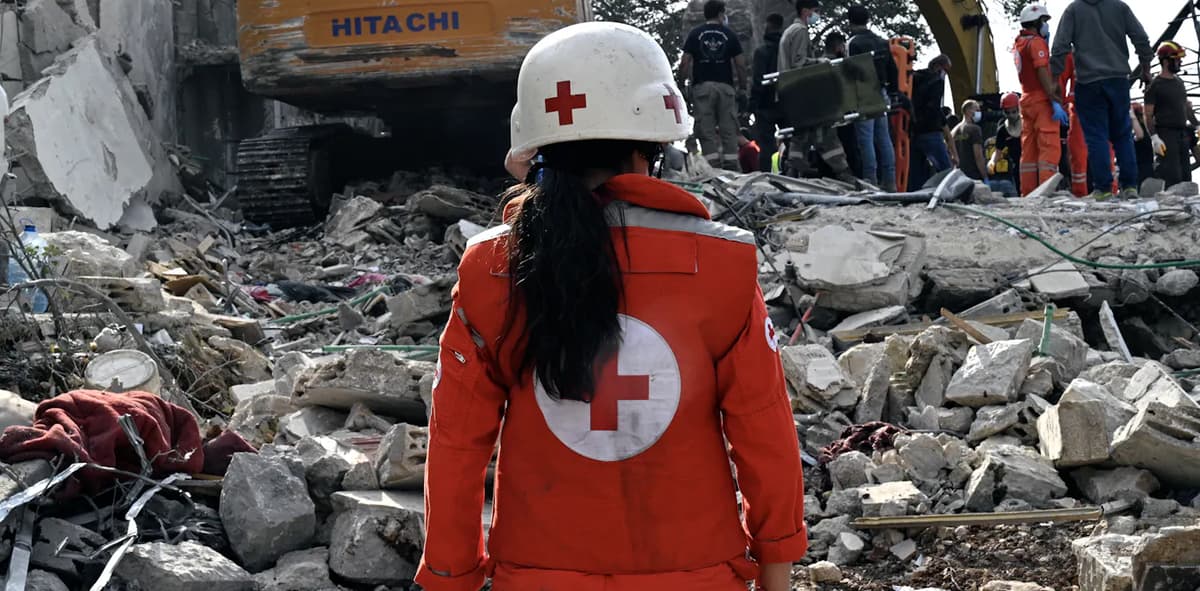
- •Red Cross emblems signal civilian status, but attacks on hospitals still rise
- •Urban warfare increases collateral damage to medical facilities and staff
Pulse Analysis
The humanitarian sector has long operated on the premise that aid workers are protected civilians, yet the stark reality on the ground tells a different story. Recent data from the United Nations and health‑security monitors reveal more than 1,000 aid personnel killed in the last three years, with health‑care workers bearing the brunt of targeted violence—over 750 incidents annually. These figures are not abstract; they translate into disrupted supply chains, closed clinics, and communities left without life‑saving treatment. The legal framework, anchored in the 1949 Geneva Conventions, classifies aid workers as non‑combatants, but enforcement gaps allow belligerents to rationalise attacks on hospitals as military necessity, especially in densely populated urban battlefields.
Conflict dynamics have evolved, making medical facilities increasingly vulnerable. In Ukraine and Gaza, hospitals have been deliberately struck, while in Lebanon the World Health Organization has logged 106 attacks since the US‑Iran clash began in March 2026. Urban warfare blurs the line between combatants and civilians, exposing ambulances, field hospitals, and even Red Cross‑marked personnel to indiscriminate bombing and kidnapping. The psychological toll on health‑care staff is profound, leading to burnout, reduced capacity, and, in some cases, the exodus of skilled professionals from high‑risk zones, further compromising humanitarian response.
Policy responses are emerging but remain fragmented. Australia’s leadership in drafting the Protection of Humanitarian Personnel Declaration, now signed by 112 nations, signals a collective willingness to reinforce existing legal protections. However, the declaration lacks binding force, limiting its practical impact. The International Committee of the Red Cross’s Healthcare in Danger initiative offers training and advocacy, yet scaling these efforts requires sustained funding and political will. For the sector to safeguard its workers and maintain critical health services, governments must translate legal commitments into concrete security measures, rapid accountability mechanisms, and robust support for on‑the‑ground training. Only then can the promise of civilian protection be realized in practice.
Health-care workers risk their lives in warzones. Are we protecting them enough?
Comments
Want to join the conversation?
Loading comments...