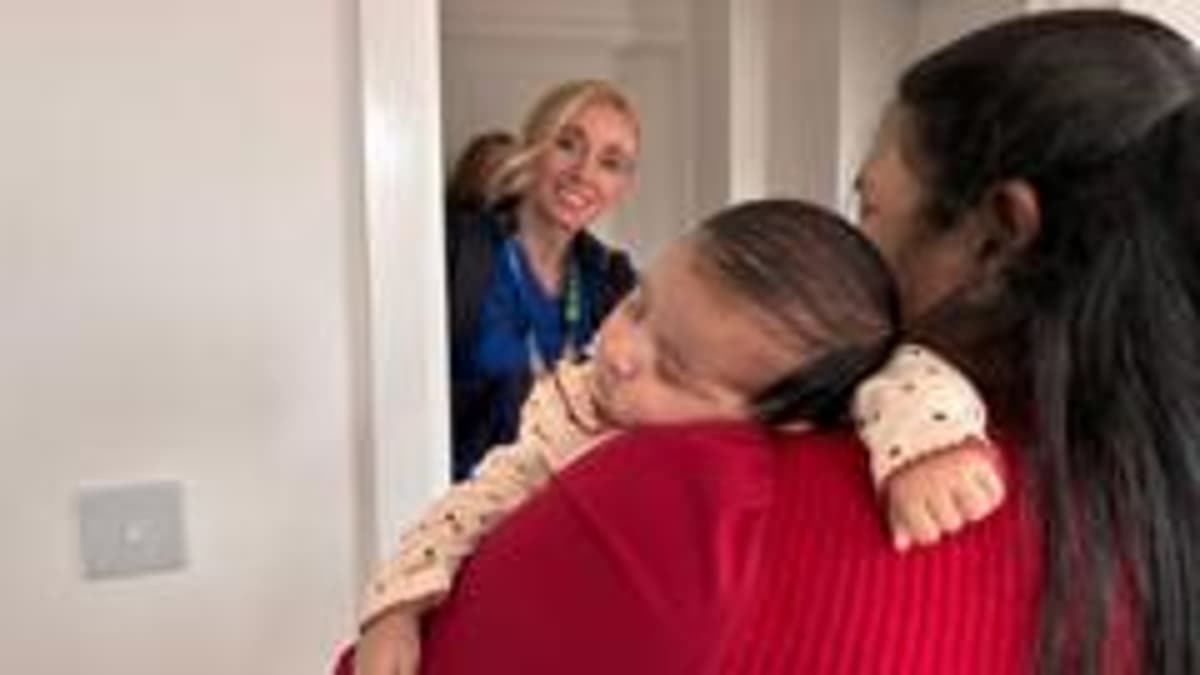
Health Visitors Call for Limits on 'Impossible' 1,000-Family Caseloads
Why It Matters
Overstretched health visitors risk missing early signs of illness, neglect and mental‑health issues, undermining the government’s goal of giving every child the best start in life and increasing long‑term health costs.
Key Takeaways
- •Health visitor numbers fell 45% to 5,575, halving in ten years
- •Some English health visitors handle over 1,000 families, far above safe limit
- •Safe‑staffing benchmark of 250 families would need ~3,100 extra staff
- •Restoring safe levels would cost about $174 million annually
Pulse Analysis
England’s health‑visiting service is at a breaking point. A decade of under‑investment has slashed the workforce from more than 10,000 to just 5,575, leaving many practitioners responsible for upwards of 1,000 families—a stark contrast to the 250‑family caps used in Scotland, Wales and Northern Ireland. Families report missed home visits, inconsistent care and delayed interventions, while health visitors cite burnout and an inability to address mental‑health concerns. The resulting gaps threaten early‑child development and could drive up long‑term NHS costs.
Policy experts point to a clear staffing formula: a safe caseload of roughly 250 children per practitioner. University College London research calculates that achieving this benchmark would require about 3,100 additional health visitors and an annual wage bill of roughly $174 million. The figure reflects not only recruitment but also the need to balance the growing reliance on lower‑banded, skill‑mix staff who lack the full clinical training of nurses and midwives. Without a concerted funding boost, the gap between England’s targets and reality will widen, compromising vaccination rates, child‑safety monitoring and parental support.
The Department of Health and Social Care has signaled forthcoming plans, but stakeholders argue that incremental measures will not suffice. Innovative models such as Best Start Family Hubs, which integrate health visitors with social workers and early‑years educators, could amplify impact while spreading costs. Meanwhile, digital outreach—exemplified by health visitors turning to social media to combat misinformation—offers supplemental guidance but cannot replace face‑to‑face assessments. A decisive, well‑funded strategy is essential to restore safe staffing levels, retain experienced practitioners and secure the health of the next generation.
Health visitors call for limits on 'impossible' 1,000-family caseloads
Comments
Want to join the conversation?
Loading comments...