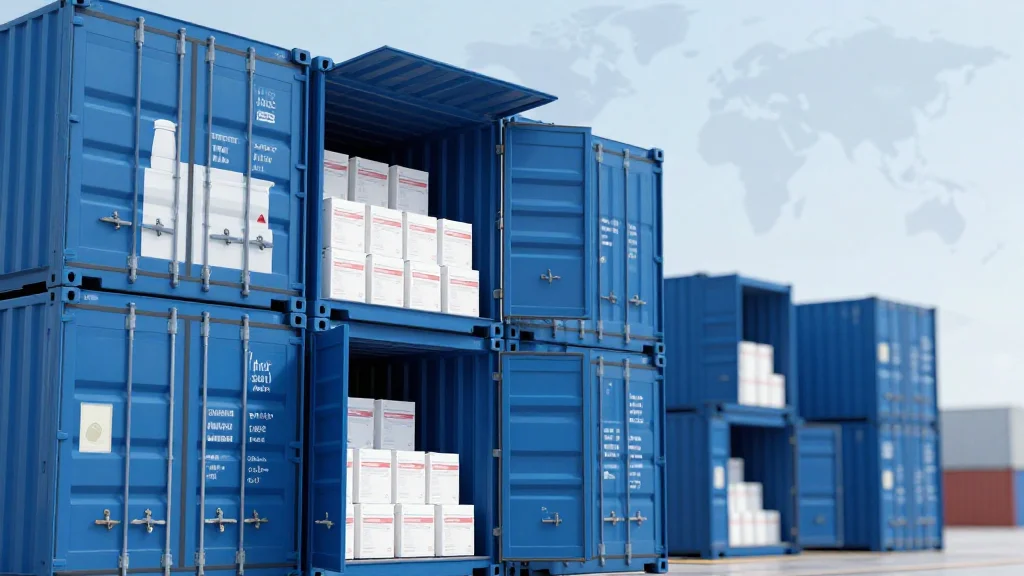
Healthcare Cost Inflation Is Back in the Headlines
Companies Mentioned
Why It Matters
Escalating medical inflation threatens affordable access, pushes households into debt, and strains public‑health financing, especially in import‑dependent emerging markets.
Key Takeaways
- •Hormuz blockades push global drug prices higher
- •LMICs face double‑digit medical inflation risk
- •Household debt rises from out‑of‑pocket health costs
- •Advanced economies warn against price collusion, stockpile supplies
- •Supply chain shocks could trigger prolonged healthcare inflation
Pulse Analysis
The strategic chokepoint of the Strait of Hormuz has re‑emerged as a catalyst for worldwide healthcare cost inflation. When Iranian and U.S. forces restrict maritime traffic, the ripple effect hits fuel prices, freight rates and the cost of raw materials used in drug manufacturing. These upstream pressures translate into higher wholesale prices for pharmaceuticals and medical devices, a trend already evident in the February‑to‑May 2026 price surge for top‑selling drugs in Brazil, Sweden and the United Kingdom. For investors and policymakers, the link between geopolitical risk and health‑sector pricing underscores the need for diversified supply chains and real‑time cost monitoring.
The inflationary shock is not uniform. Advanced economies can absorb some price hikes through stronger currencies and larger health‑budget buffers, yet they are still confronting anti‑collusion investigations and strategic stockpiling, as seen in South Korea and Japan. In contrast, low‑ and middle‑income countries (LMICs) that depend on imported medicines are confronting a projected rise from 4.2% to 5.2% in overall inflation, with some nations bracing for double‑digit medical cost spikes. This disparity threatens to widen health‑outcome gaps, increase household debt, and force patients to defer or switch to lower‑cost, potentially less effective treatments.
Policy responses will shape the medium‑term trajectory. Governments may tighten trade regulations, incentivize local production, or create strategic reserves to dampen price volatility. Meanwhile, health insurers and providers are likely to renegotiate contracts and explore value‑based pricing models to mitigate cost exposure. For the private sector, investing in resilient logistics and alternative sourcing can safeguard margins. Ultimately, the convergence of geopolitical tension, supply‑chain fragility, and rising demand for advanced therapies makes healthcare cost inflation a critical risk factor for global markets through 2028.
Healthcare cost inflation is back in the headlines
Comments
Want to join the conversation?
Loading comments...