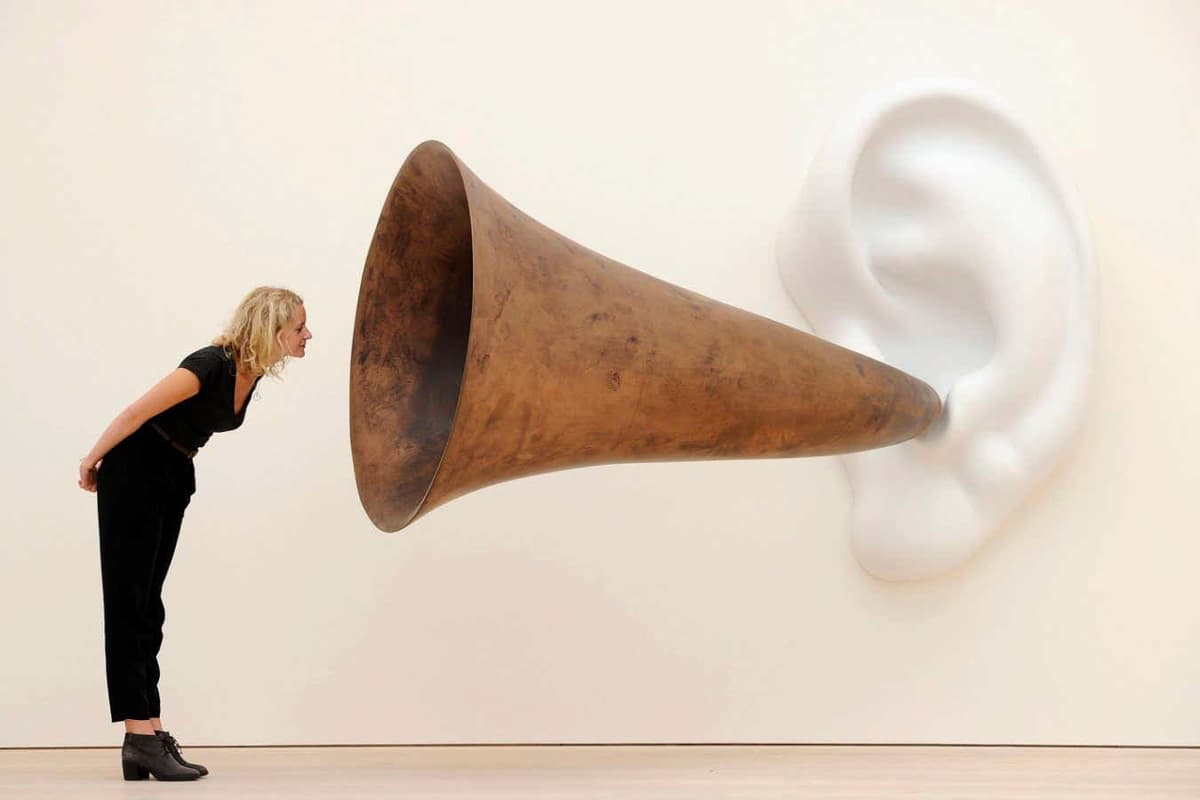
Hearing Loss Is Bad for the Whole Body – but New Treatments Are Coming
Why It Matters
Because untreated hearing loss amplifies the burden of chronic diseases, it threatens both individual wellbeing and national healthcare costs. Emerging therapies could transform a traditionally palliative field into a preventive one.
Key Takeaways
- •Hearing loss correlates with higher dementia and heart disease risk
- •Prevalence expected to double in U.S. adults over 65 by 2035
- •First‑in‑class drugs target hair‑cell regeneration in trials
- •Early audiometric screening saves costs by preventing downstream illnesses
- •Policy shifts treat hearing loss as a public‑health priority
Pulse Analysis
The prevalence of hearing impairment is climbing faster than many anticipate, driven by an aging baby‑boomer cohort and rising exposure to noisy environments. Recent CDC data estimate that one in three U.S. adults over 65 now experiences clinically significant hearing loss, a figure projected to reach 50 % by 2035. This surge is not merely an inconvenience; it translates into measurable economic strain, with indirect costs from reduced productivity and increased caregiving needs running into billions of dollars annually. Recognizing hearing loss as a systemic risk factor is reshaping public‑health agendas and prompting insurers to reconsider coverage for diagnostic and therapeutic services.
Scientific investigations have begun to unravel why diminished auditory function ripples through the body. Chronic auditory deprivation forces the brain to rewire, overloading cognitive circuits and accelerating neurodegeneration—a pathway that helps explain the strong epidemiological link to dementia. Simultaneously, reduced auditory input can impair balance and physical activity, indirectly stressing cardiovascular health. Inflammation and oxidative stress, common denominators in both hearing loss and heart disease, further tighten this biological nexus, suggesting that preserving auditory health may confer broader protective effects.
The therapeutic landscape is shifting from symptomatic aids to disease‑modifying interventions. Companies such as Decibel Therapeutics and Otonomy are advancing small‑molecule drugs that stimulate the regeneration of inner‑ear hair cells, while gene‑editing approaches aim to correct genetic mutations responsible for hereditary deafness. Early‑phase trials report promising audiometric improvements, raising hopes of reversing, rather than merely managing, sensorineural loss. Coupled with expanded screening programs and tighter regulation of occupational noise, these advances could lower the long‑term health burden of hearing loss, positioning it as a preventable contributor to chronic disease rather than an inevitable by‑product of aging.
Hearing loss is bad for the whole body – but new treatments are coming
Comments
Want to join the conversation?
Loading comments...